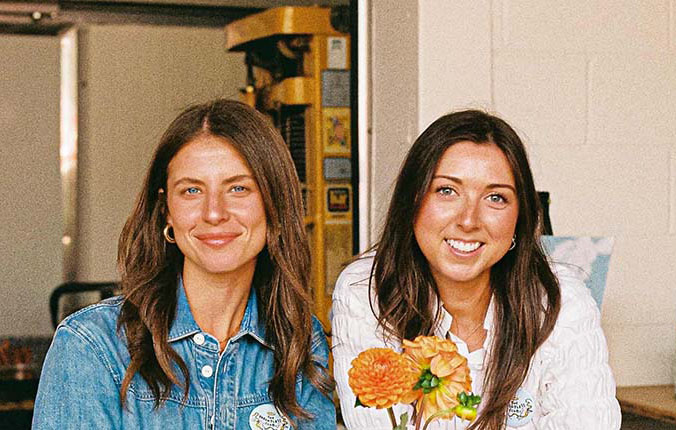
A Toronto‑based choreographer and certified athletic therapist blends science and artistry through The ReFlex Method.
Toronto‑based choreographer and movement specialist Shirel Bronizer blends artistry and science to revolutionize dancer care. A former competitive dancer with titles like Miss Dance Canada 2016 and a Commonwealth Dance Championships gold medallist, she brings over two decades of performance experience to her work.
Holding an Honours Bachelor’s degree in Kinesiology and Athletic Therapy and certifications as a Certified Athletic Therapist (C.AT) and Fascial Stretch Therapist (C.F.S.T.), Shirel’s unique approach bridges clinical expertise with expressive movement.
She founded The ReFlex Method, a pioneering program integrating injury prevention, recovery strategies, fascial stretch, breathwork and biomechanics, empowering dancers to perform with intention, resilience and longevity.
Whether in the studio or clinic, Shirel champions sustainable movement and dancer well‑being, ensuring that the art of dance thrives not at the expense of the body, but through its strength and awareness.
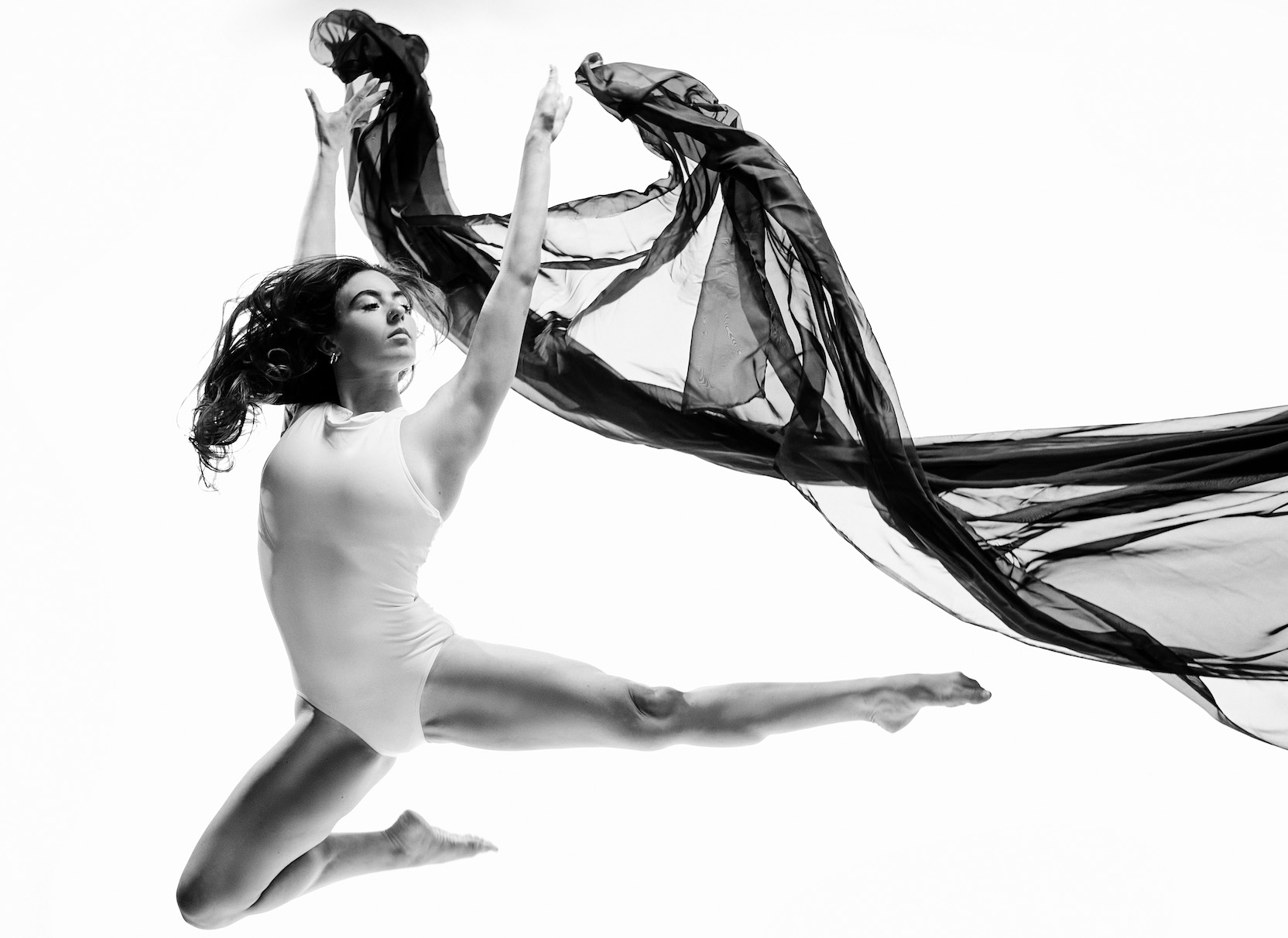
Please introduce yourself to our readers.
My name is Shirel Bronizer. I’m a choreographer, Certified Athletic Therapist (C.AT), Fascial Stretch Therapist (CFST) and founder of The ReFlex Method. I grew up in Toronto and have been dancing since the age of two, training in a wide variety of styles. My passion for both dance and injury prevention led me to create The ReFlex Method, a program that merges my clinical background with artistic training to help dancers move smarter, recover better and maintain their artistry over time.
You’ve trained in dance since you were two, across multiple styles. How has this early and diverse training shaped your approach as a choreographer?
Training in a wide range of styles exposed me to the unique demands of each genre and helped me grow into a well‑rounded and versatile dancer. It allowed me to creatively blend techniques, such as weaving classical ballet or Fosse jazz into contemporary movement, so each piece carries both individuality and layered texture. This fusion brings a fresh perspective to my choreography while still honouring the roots of each style.
As Miss Dance Canada 2016 and Commonwealth Dance Championships gold medallist, what lessons did those early successes teach you about performance and artistry?
Winning the Miss Dance Canada title taught me perseverance, while earning the gold medal reinforced the value of being part of a team working toward a shared goal. While dance isn’t about winning, those experiences showed me that hard work, dedication and a deep love for the art form can turn dreams into reality. The medals and titles don’t merely represent victory; they reflect years of passion, perseverance and commitment to dance.
What inspired you to pursue a Bachelor of Kinesiology and Athletic Therapy alongside your dance career?
After experiencing several injuries and pushing through pain without proper support, I knew I wanted to understand how the body functions beyond just dance. I’ve always loved biology and anatomy I’m fascinated by how the body works and adapts. Studying kinesiology gave me a strong scientific foundation, and athletic therapy allowed me to bridge that knowledge with real‑world treatment and recovery, especially for performers. It was the perfect way to combine my interest in the human body with my drive to help dancers move safely and sustainably.
Can you explain what your C.AT and CFST certifications mean to your professional practice?
C.AT stands for Certified Athletic Therapist, which means I specialise in injury prevention, assessment and rehabilitation for physically active individuals, including dancers. CFST, or Certified Fascial Stretch Therapist, allows me to work with the fascial system to restore mobility, reduce pain and improve movement quality. Together with my dance background, these certifications form the foundation of The ReFlex Method, enabling me to bridge science and movement in a way that supports both performance and recovery.
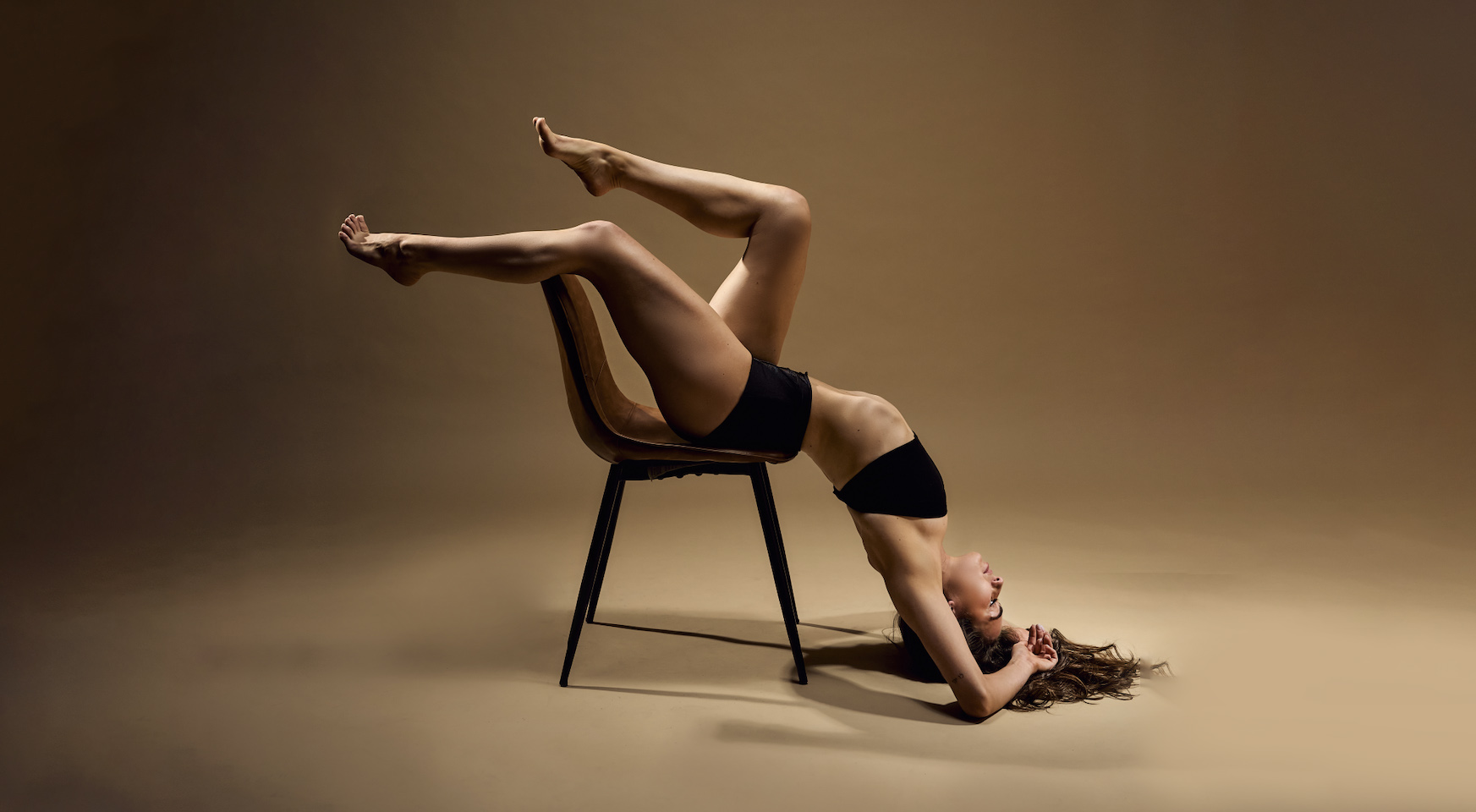
How did your personal experiences with dance injuries influence the development of The ReFlex Method?
Having navigated pain, burnout, injuries and the fear of retirement due to physical issues, I created The ReFlex Method as the system I wish I’d had growing up. It goes beyond injury repair. It focuses on helping dancers understand their bodies, prevent injury and move in ways that support both their health and artistry.
What gap in dance healthcare were you hoping to fill when creating The ReFlex Method?
There was a clear lack of education and accessible injury care for dancers within the studio setting, especially for youth. Studios tend to focus heavily on performance and choreography, often overlooking recovery, warm‑up technique and body mechanics within their training. The ReFlex Method fills that gap by integrating physical‑therapy principles into training and empowering dancers to become active caretakers of their own bodies.
How does The ReFlex Method integrate elements like fascial stretch therapy, breathwork and movement quality?
The ReFlex Method uses fascial stretch therapy to address movement restrictions and improve both mobility and functional flexibility. Breathwork helps regulate the nervous system, training dancers to adopt a more intentional yet effortless breathing technique. This is crucial for sustaining energy during high‑intensity choreography that demands 100 per cent commitment on stage, without leaving them breathless or fatigued. By combining these practices with a deep understanding of anatomy and biomechanics, we enhance movement quality promoting greater efficiency, control and longevity in dance.
You describe movement as medicine. How has this perspective guided your programming and teaching?
I view movement as vital medicine that cultivates lasting health and resilience in dancers and everyday life. The human body thrives on regular movement to promote longevity. I remind my dancers: “If you don’t use it, you lose it.” Without consistent strengthening or stretching, muscles weaken and imbalances develop, paving the way for injury. That applies to inactivity too, sitting all day, whether at a desk, commuting or relaxing on the couch, primes the body for problems. In the studio, I guide dancers toward healthy, intentional movement that supports well‑being both on and off the stage.
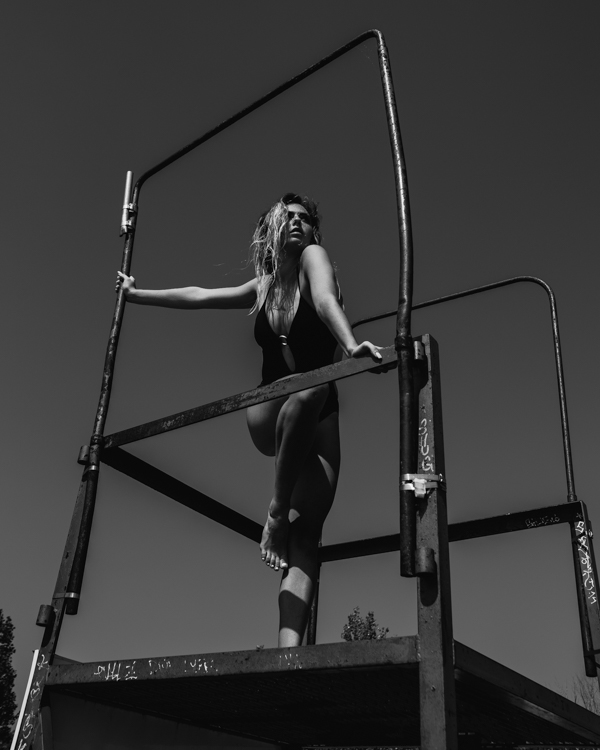
What are the most common injury patterns you see in dancers, and how does The ReFlex Method address these specifically?
After witnessing an uptick in serious knee injuries three patellar dislocations and ligament sprains in just one year I saw clearly how gaps in training and recovery were leading to problems. Dance is quad‑dominant, so healthy, functional quads should protect the knees. Beyond knees, I also see postural dysfunctions and injuries in the shoulders, hips and ankles. The ReFlex Method addresses these issues through customised rehab programmes, classes that focus on body placement and technique correction, and education sessions that empower dancers to manage their own recovery and performance health.
What role does injury prevention play in sustaining artistic careers, for both professionals and youth?
Injury prevention isn’t a luxury, it’s essential. A dancer’s career can be made or broken by how they care for their body. Teaching prevention strategies early not only helps prolong careers but also builds confidence, supports longevity and promotes overall physical well‑being. For professionals, it can mean the difference between dancing at 80 per cent and performing at 100 per cent under intense demands, where every performance matters and there is no margin for error. Equipping dancers with tools to move intelligently is key to sustaining their art over time.
How do you balance rigorous technique training with physical well‑being in your teaching?
Technique should refine the dancer, not compromise them. I also recognise that dancers aren’t always in control of their schedules or the demands of class. The ReFlex Method respects the discipline of dance training while teaching dancers to recognise early signs of burnout and injury and to know when it’s time to speak up, seek support or take a rest. It’s about building a strong mind‑body connection and moving with purpose, not just effort. Recovery is essential rest days are not a weakness but a vital part of progress. The ReFlex Method also seeks to educate studios and shift the culture around dancing through injury, advocating for environments where health is prioritised without compromising artistry.
What’s your creative process when choreographing? Do you start with movement, music, theme or body dynamics?
It really depends on the piece, but I’m most often inspired by music first. From there, I explore movement quality based on the story I want to tell. Out of all my roles, choreography feels the most instinctual, it just flows. I always keep body mechanics in mind throughout the process, because I want the movement to feel natural in the dancer’s body, not forced, so it can be both expressive and sustainable.

You’ve worked with dancers of all ages and levels. How do you tailor your instruction to meet diverse needs?
I pay close attention to each dancer’s learning style visual, physical or auditory and adjust my approach accordingly. I also tailor my language and concepts to their age, so nothing is lost in translation. If I notice dancers losing focus or struggling, I adapt mid‑class to help them stay engaged and really embody what I’m teaching.
What have been some of your biggest challenges in bringing The ReFlex Method to the dance community?
Initially, I thought outreach and gaining trust as a young choreographer‑clinician hybrid would be the hardest part. But Toronto’s dance community is incredibly close‑knit. It really is a small world, and word travels fast. The amazing connections I’ve made through my experiences have helped spread the word. In fact, some dancers I once competed against, as well as adjudicators who judged me growing up, are now colleagues who hire me to teach The ReFlex Method or collaborate on projects.
As a Toronto‑based professional, how does the city’s dance environment inspire or support your vision?
Toronto’s dance scene is incredibly diverse and passionate. The city allowed me to work with studios that are open to integrating education, therapy and fresh ways of thinking into their training. I’m inspired by how many artists and educators are eager to move beyond tradition to create healthier spaces for dancers.
What advice would you give dancers recovering from injury about returning to performance safely?
Take your time and trust your body. Healing isn’t linear. Work with professionals who understand dance and rehabilitation, and don’t rush back just for a performance. The stage will always be there, but your body needs to last a lifetime.
How do you maintain your own well‑being, mentally and physically, while balancing roles as therapist, teacher, choreographer and creator?
Rest and recovery are essential. I’m learning to give myself permission to take more rest days, allowing both body and mind to recharge fully. I aim for at least one hour of intentional movement each day ideally something that gets me sweating, like reformer Pilates, yoga or cycling. I keep my movement varied to stay connected to my body, apart from the demands of my work. I also use contrast therapy alternating sauna and cold plunges and breathwork to support recovery and regulate my nervous system. Whenever I find even a small gap in my schedule, I book a trip. I love to travel, it helps me reset, reflect and return with a fresh mindset.
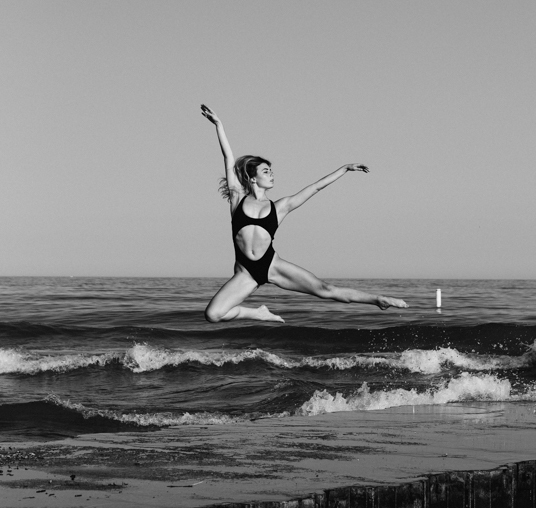
What are some of your other hobbies?
Outside of work and workouts, I love spending time with friends and family, and finding any excuse to dress up and go out for dinner. I’m always up for trying something new and exciting whether it’s axe throwing, pottery, new restaurants or anything a little out of the ordinary. I also love getting lost in a good book; reading helps me slow down and recharge in a different way.
Your message for us at Toronto Pages magazine.
Thank you for giving me the space to share my story. I hope it inspires dancers and creatives to treat their bodies with the same love and dedication they give to their art. Movement is powerful, but only when it’s sustainable. I’m grateful to be featured by a platform that celebrates talent and values the stories behind it. Toronto’s creative community continues to grow, evolve and inspire, and I’m proud to be part of that journey.
shirellbb