A Defiant Voice of a New Pop Vanguard
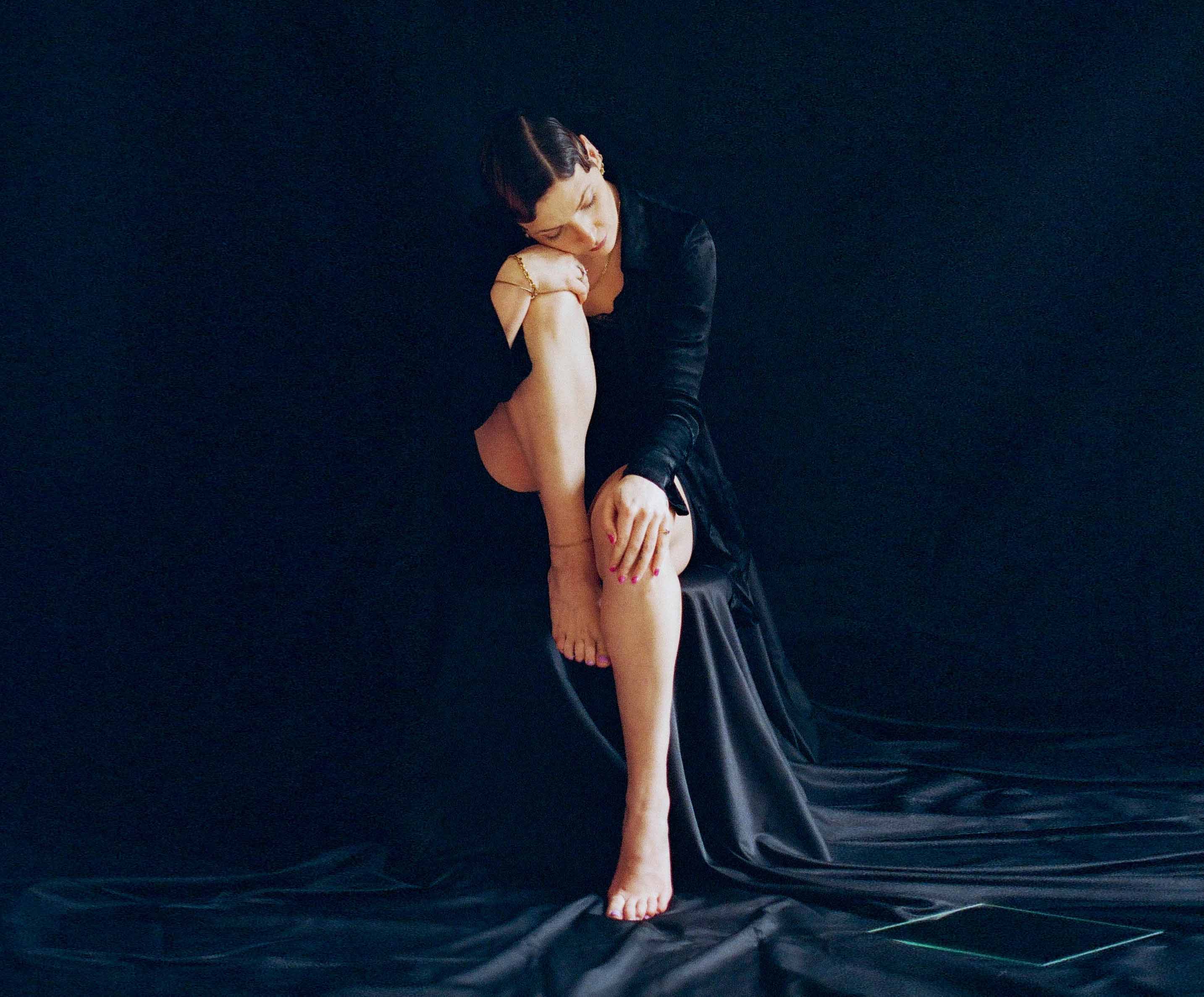
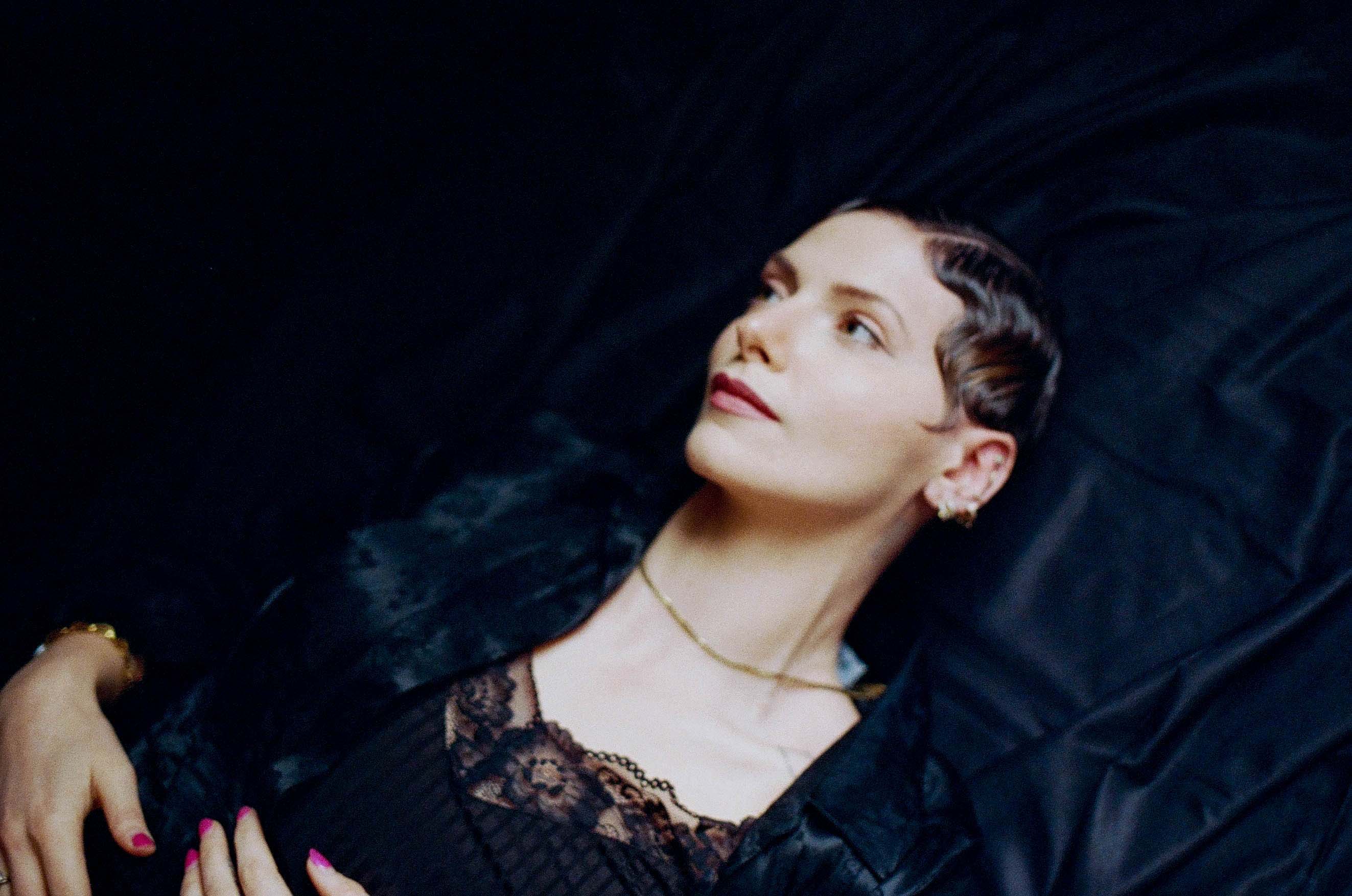
Elena Erin is not just an artist — she’s a visionary voice redefining the sound and soul of Canadian alternative-pop. With the release of her cinematic sophomore album Roaring 20s, Elena takes listeners on a genre-blurring journey through ambition, identity, and emotional reckoning. The project, already charting nationally and earning acclaim from CBC, SiriusXM, and Exclaim!, explores the dazzling illusion of success and the vulnerability beneath it. With over 4 million streams and a fearless approach to storytelling, Elena stands at the forefront of a new wave of artists who refuse to be boxed in. Ahead of her much-anticipated Toronto debut at The Painted Lady on June 8, we sat down with Elena to discuss the inspirations behind Roaring 20s, her secluded upbringing in Northern Canada, creative evolution, and what it truly means to “have it all.” Raw, insightful, and powerful — this is Elena Erin, exclusively for TorontoPages.
Ballads for the Ambitious and the Brokenhearted
“Roaring 20s” is a cinematic and genre-blending concept album — what was the original spark of inspiration for the project?
I’d loved the latest Great Gatsby movie soundtrack and how it blended so many genres, and I wanted to tell my story through that lens. Lots of things were happening in my life that felt parallel, so I wrote about everything imagining it as the soundtrack for a movie.
How did you approach weaving together genres like Pop, Alternative, Hip-Hop, and Electronic on this album?
It happened naturally as I listen to such a wide range of music. Some songs were naturally singer-songwriter — lots I wrote over just piano — and then made experimental pop production around them. Others I intended to have a huge sound and bring in more hip-hop and dance energy.
Can you tell us more about the emotional arc of the album and how it reflects your personal experiences?
The album starts off at the beginning of a party with “Sick Rich Girl” and goes straight into “Hitman.” These are two of the biggest songs on the album in terms of sound, and I wanted them to capture how life around me felt — enormous and exciting and grand. Then the songs go into alternative pop, using lots of hip-hop influences as I’m “uncovering” what’s going on. It then opens into stripped-back ballads and songs in a deep reflection stage, before building up sonically as I rebuild my identity.
“Gatsby” dives into themes of high society and disillusionment — what inspired this track lyrically and sonically?
My own experience of realising I was getting closer to what success looks like, yet wasn’t getting any happier or more satisfied. I realised if I continued on like this, I’d constantly be chasing something to try and fill the emptiness inside. At the time I was so excited to be in certain circles, invited to certain events, even able to travel to certain places, and yet I always wondered if that was what I would keep striving toward. I looked at the people around me — and while they were wildly successful in terms of material things — I felt soul missing, and realised so many of the flashy things were distracting me from my purpose.
You’ve said this is your most vulnerable work yet. Was there a track that was particularly difficult — or liberating — to write?
“What are you doing here.” That song flowed out of me so quickly and felt like a therapy session and confessional. Like I’d sat down to explain to someone what’s going on inside, but they’re just listening, and I’m the one going back and forth with myself figuring it out.
What does the phrase “Roaring 20s” mean to you now, in the context of your life and career?
I’d almost view it more politically now. Even as I wrote the album, I was thinking a lot about this revitalised economy and thriving nightlife and parties where anything goes in New York City — all the glamour and perceived freedom. And as the album goes on and I’m recognising what’s going on within, it changes my perspective on everything. So even in the last song, “I Really Must Go” — I’m back at the same party I started at, but having fun because I found my right people. I’m still about to leave early, and in the bridge I say “these parties are fun for a while, but I want a new world.” That mostly captures where I’m at right now when I think of the “Roaring 20s.” How the world that some considered glamorous was a world only built for a certain type of person to thrive in, and everyone else is just accessories to them. So, are we actually enjoying it and having numbed-out fun, or would we rather fight for a world where everyone can enjoy it?
Which song from the album best represents where you are right now as an artist?
“A Fine, Fine Way to Die.” The title may not sound it, but it’s a very hopeful song.
How do you usually begin writing a song — lyrics, melody, or concept first?
It’s different every time and I bounce between all starting points regularly.
What role do visuals and cinematic elements play in your music-making process?
Tons. I usually make visual mood boards of an album as I’m writing it, and make everything in my life aesthetically focused around that. I had a whole short film I wanted to make alongside this album, but didn’t have the resources for it. Otherwise, you would’ve seen this cinematically played out.
How has your songwriting evolved since your debut album Holy Tender Artist?
I’m writing less for what I think will be popular or sound like another artist I love, and instead going with the most honest things that come out of me. A lot of these songs felt a bit scary to release ‘cause I wondered how people would interpret or think about certain things I said.
How do you maintain authenticity while experimenting with so many different genres?
If I do something that feels really good and well done to me, I can’t lose authenticity. We tend to think artists have to do one style or they’re “selling out” — when I think, as humans, we’re meant to experience and express all aspects and versions of ourselves. “Selling out” comes from doing something for the sake of the end product, sales, or fame — not for the music.
Do you keep a journal or creative archive of thoughts that eventually become songs?
I journal all the time and write down ideas. When I’m writing music, I definitely go through those and remind myself of ideas or concepts.
You’ve spoken about a secluded childhood in northern Canada — how did that environment shape your creativity?
I had very few distractions and also so much time to practise and perfect my craft. I’ve been writing since the age of 10 and have filled hundreds of books and journals with songs.
Were there early musical influences or moments that made you realise you wanted to pursue this path?
Tons. Mostly the way I felt when songs came on the radio and it felt all-consuming.
How did your background and identity influence the themes you explore in Roaring 20s?
A lot of “living blindly” or privilege allowed me to live and only see one sliver of reality and the world. In Roaring 20s, as I try to deconstruct myself and my lack of love and self-esteem and happiness, I realise it’s tied to things I’ve been taught to believe about myself. And I start to realise there’s a system in place around me — which I both contribute to and benefit from — and am also held down by.
What are you most excited about for your upcoming show at The Painted Lady in Toronto?
To finally be in Toronto and play for everyone! It’s my first time in Toronto. I’m playing with an amazing artist, Mali Leona, who’s opening for me, and I’m so excited to bring this album to parts of Canada I’m finally getting to experience.
How do you want people to feel after attending one of your shows?
After my album release show, someone described my show as “taking your audience on their own self-reflection journey,” and that’s exactly what I want. For this to apply to wherever someone is at in life and be like, “Stop, let’s do a quick assessment — do we like how things are going and feeling? If not, let’s get to the root of why and rebuild/recraft.”
With over 4 million streams and chart success, what achievement are you most proud of so far?
The fact that I’m still going as an artist. I’ve been releasing music since 2016 and nothing has happened in the way that I thought it would. I see a lot of artists around me switch career paths and I understand why — it’s a lot of work with little reward for a long time before you start to see results.
“Build A Ship” climbed to #2 on the CBC Top 20 — what did that milestone mean for you?
I felt like I was finally recognised for my music and that Canadian media finally saw me and supported me. It was crazy to see how many people loved my music just ‘cause they were finally exposed to it (heard it on the radio once or twice), and it made me realise my music just needed that support to get in front of the right people.
Do you see yourself expanding into other creative mediums — film, fashion, writing?
I see myself working with other artists (which I already do), and building more around artist development and labels.
When you’re not making music, how do you recharge and stay creatively inspired?
I run a lot and am a huge part of run crew culture.
What are a few of your favourite spots in Toronto for food, inspiration, or just hanging out?
I don’t know yet! I’m currently getting suggestions from Toronto people on Insta and TikTok!
What’s a quote or personal mantra you live by or often return to when things feel overwhelming?
“The power within me is greater than the circumstances around me.”
What do you hope young women and aspiring artists take away from your music and message?
That you can have a music career WITHOUT being exploited. That you don’t need to fawn or be sexual to get to the next steps in your career. That anyone who promises you help in the industry based on anything that feels exploitative isn’t actually going to help you. That the best thing you can do as a woman is take your power back and trust yourself in all your decision-making and next steps in your career.
Your message for us at TorontoPages magazine.
I can’t wait to finally experience Toronto!