Unfiltered, Unapologetic, Unstoppable
With a voice that blends vulnerability and strength, Montreal-based pop and R&B artist Satya is reclaiming her power—and inviting others to do the same. Her new summer anthem, Flip My Hair, is more than a catchy track; it’s a declaration of rebirth, resilience, and unapologetic self-love. Following the success of Maybe We Should, which climbed the U.S. Mediabase charts and gained remix support from DJ Hardwell, Satya returns with her most empowered release to date.
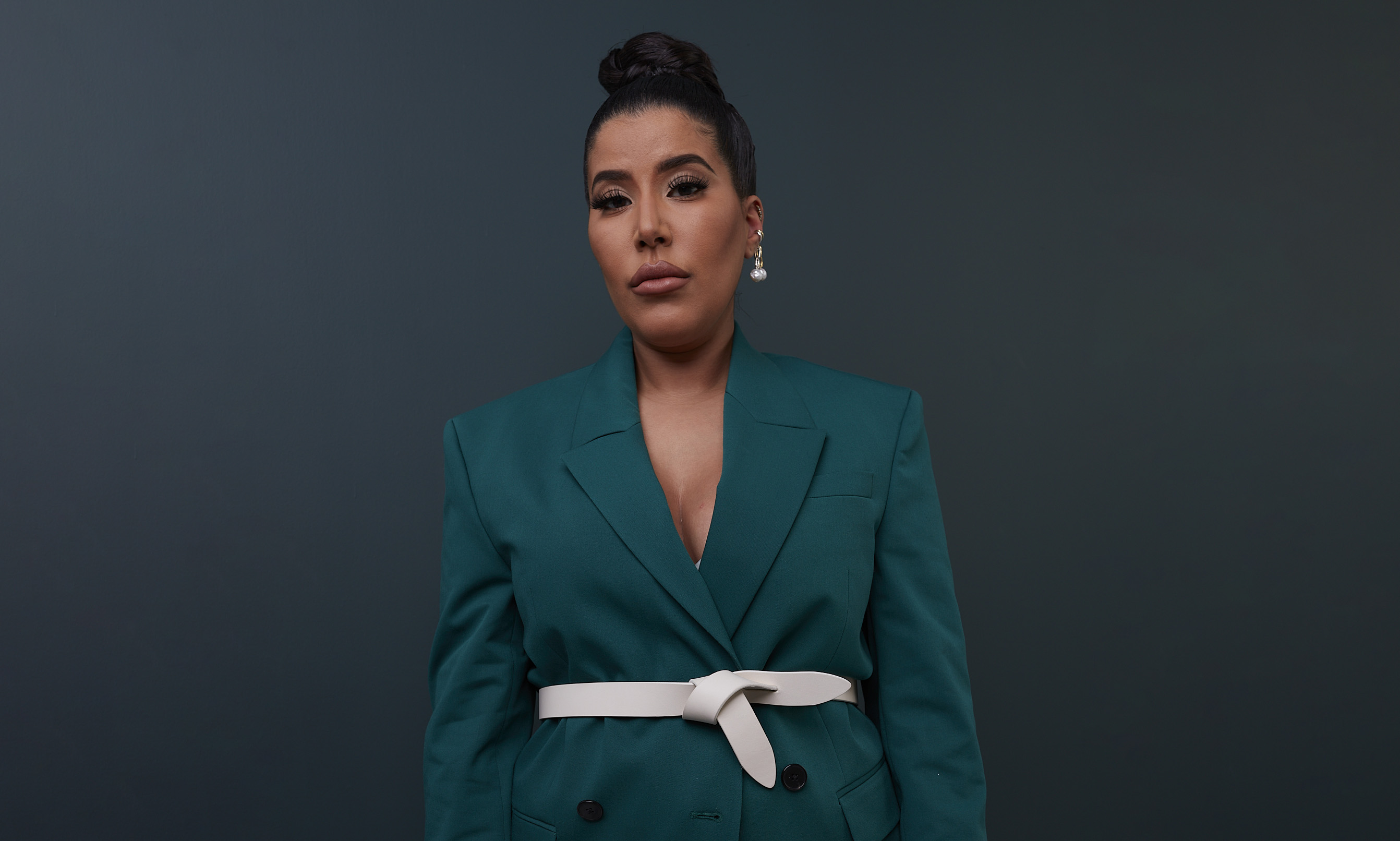
Born in Morocco and raised in Quebec, Satya’s journey is one of profound transformation. From facing identity struggles and addiction to finding healing through therapy and motherhood, her music reflects a deeply personal evolution. With Flip My Hair, she channels feminine strength with a playful yet powerful energy—inviting women everywhere to embrace their boldest selves.
TorontoPages sat down with Satya to talk about her new single, the power of motherhood, and what it really means to rebuild yourself from the inside out.
“Music was always my way to escape into my own world—and it saved my life.”
Congratulations on the release of “Flip My Hair”! What inspired the song’s fierce and empowering message?
Thank you so much. We worked very hard to release this song, which holds a special place in my heart.
It came to me at a difficult moment, when I was experiencing immense loss and needed a reset. I wanted to get back to myself and reignite my inner flame. My inspiration also came with the birth of my daughter.
She was a blessing in disguise and a daily reminder to keep fighting.
This song is my legacy to her and to all women who need to remember who they are. We are fierce, we are bold, and we are soldiers of resilience.
You’ve described “Flip My Hair” as a celebration of rebirth. What does that transformation look like for you personally?
It was time for me to evolve.
Entering motherhood, for many, means adapting—and fast.
I needed to take a moment to learn who I was both as a mother and as myself. Now, I feel freer in my body and mind, and it has allowed me to reach new heights in my craft.
How did becoming a mother influence the energy and message behind this track?
Becoming a mother has changed the message I want to share with the world. Motherhood is beautiful but also challenging. I want to release music that speaks to those realities by translating them into song.
What was it like collaborating with Garrett Alex Raffanelli, Domenic Pandolfo, and Simon Tessier on this single?
My team is excellent—I truly lucked out. Collaborating with them is so fun and comfortable. We laugh, we make music, and it never feels like work. They elevate sound in a unique way, making it hard to pick the order in which the songs are released. Shout-out to my mixing engineer, Ghislain Brind’Amour—his work is impeccable.
“Flip My Hair” is unapologetically confident. Have you always felt this bold in your music, or is this a new chapter for you?
Self-confidence wasn’t innate in me. I had to work incredibly hard to get to where I am today. You just have to trust yourself, trust the process, and know when to seek help. Seeking help is never a weakness—it’s a shameless tool that saved my life.
The track feels like a summer anthem. What kind of energy did you want fans to feel when they hear it?
When listening to “Flip My Hair,” I want fans to feel empowered.
It’s a celebration of self-love and good vibes. I want everyone to blast this song and enjoy themselves.
What do you hope women and young girls take away from “Flip My Hair”?
I hope young girls and women listening to my song feel a sense of courage and pride within themselves—and most importantly, that they follow their intuition.
How does your identity—as someone born in Morocco and raised in Quebec—shape your music and message?
Growing up Black in a predominantly white community had its challenges, but also its beautiful moments. My whole family is Caucasian and we’re from the countryside, yet they welcomed me, the firstborn in my branch, with love before anything else. Although my family embraced me with open arms, not everyone did.
So, my music reflects a love/hate relationship I had with self-identity growing up. Music was always my way to escape into my own world whenever I needed it.
That’s how I expressed myself—and it saved my life.
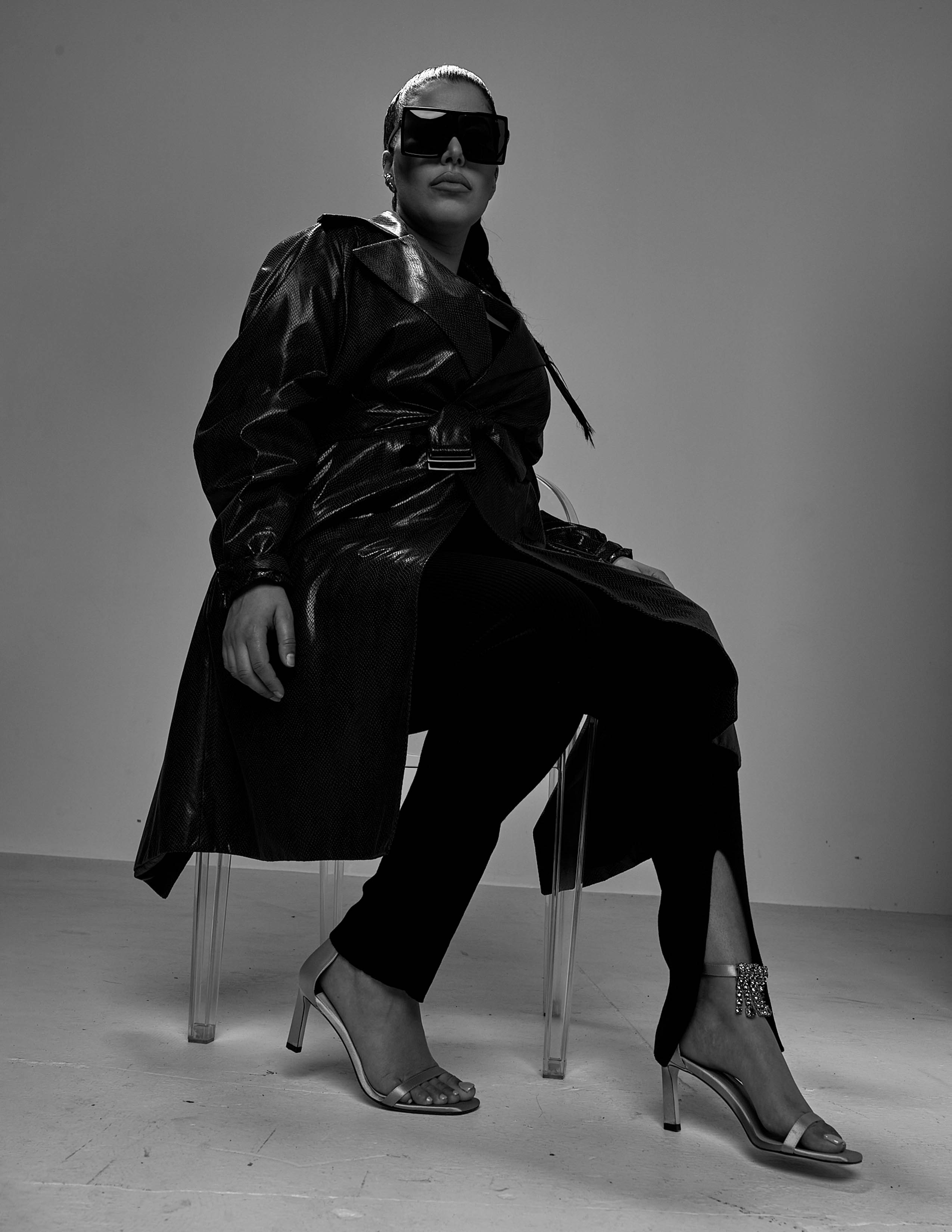
Your journey includes addiction recovery and mental health advocacy. How do you maintain your wellness today?
I take it one day at a time, and I seek help when I need it. Most importantly, I talk to my friends, family, and community. It’s important to stay connected. Mental health is crucial. Just like going to the gym for physical health, I make good choices to stay mentally healthy.
What role did therapy play in your creative rebirth and healing process?
Therapy helped me tremendously. It allowed me to speak up and heal so I could share some of my life experiences with fans and help others heal, too.
What’s been the most surreal moment of your music career so far?
I have two. One was getting a Top 30 on Mediabase with the Maybe We Should Domeno remix. The other was while recording my new album—the one I’m currently releasing. With each track, I felt like I was healing a part of myself through the messages in my songs and the visuals we created.
The visuals for your music often feel deeply intentional. What kind of imagery are you drawn to when telling your story?
I’m drawn to my own story and other people’s experiences. I try to use the most honest and real ways to express life through music. The visuals always reflect who I am at that moment.
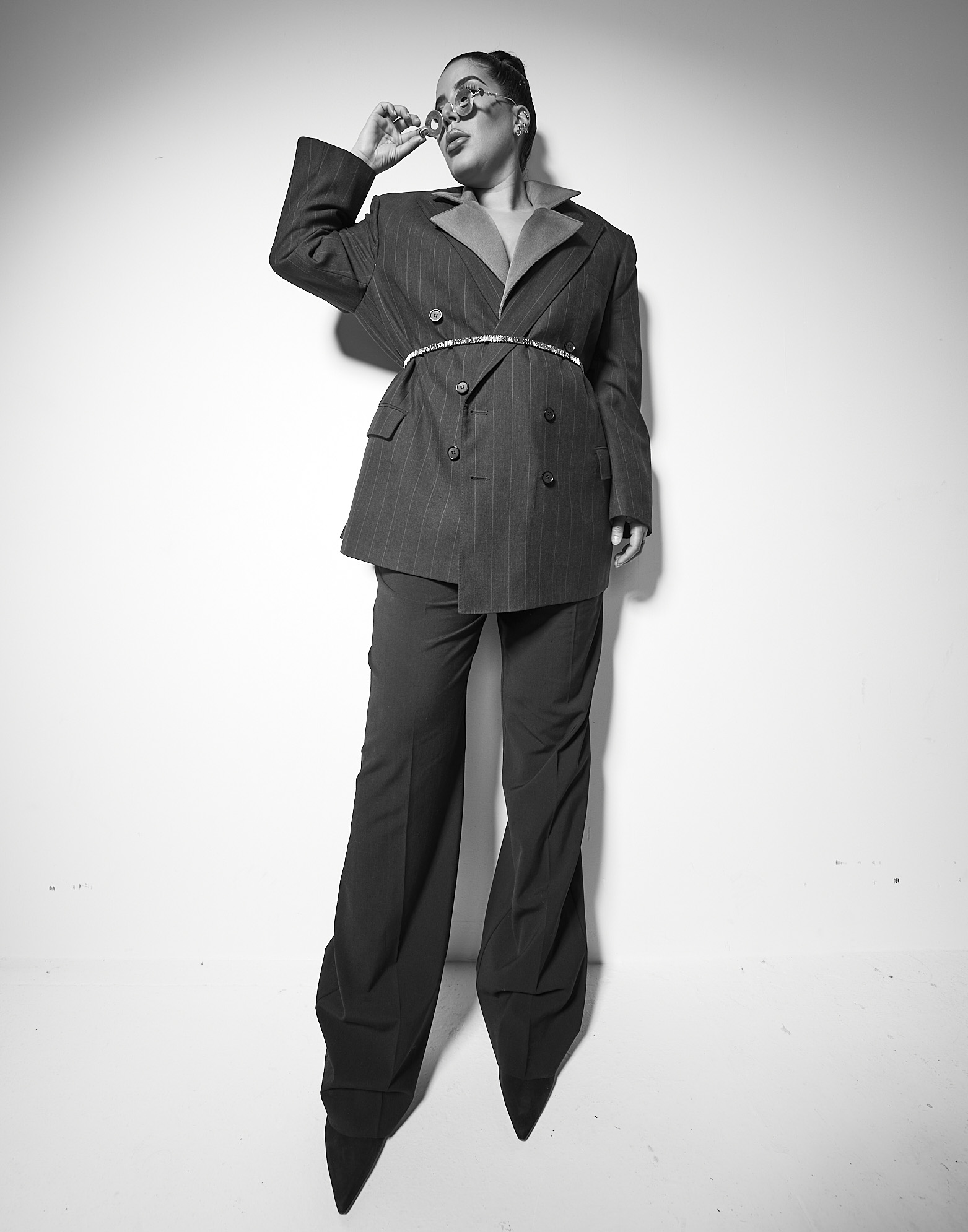
From abandonment at birth to international recognition, your life journey is profound. What gives you strength during hard times?
My family gives me strength, and everyone around me encourages me to keep fighting—to stay strong for those who’ve lost their way.
You’ve spoken about facing bullying and identity struggles growing up. How do those experiences influence your music today?
As a child and teen, I faced a lot of challenges. I also had a hard time expressing my emotions in healthy ways. That’s why I went down a difficult path of addiction.
After getting the help I needed, it became my mission to stay sober and speak openly about the real challenges of life. I have a special place in my heart for kids and teens. It’s hard to grow up, understand emotions, and speak out—especially in today’s social media world.
What does “feminine energy” mean to you, and how do you channel it in your work?
To me, feminine energy means strength, vulnerability, love, and passion.
I channel it in my work through pride and power.
How do you prepare emotionally for a performance, especially when your songs are so personal?
I don’t really prepare—I just try to live it and be as real as possible while performing. That’s how I truly connect with people.
What does success look like to you now—is it about charts, healing, community, or something else entirely?
To me, success means I got my music out there, reached people, and helped them understand they’re not alone.
Your music blends pop and R&B—what draws you to that intersection of genres?
I grew up listening to so many genres and eras of music.
I especially loved old-school R&B, and that’s a big influence in what I make today.
What’s one thing your fans might be surprised to learn about you?
I’m camera-shy—even though it doesn’t show.
What’s next after “Flip My Hair”? Can we expect more music, an EP, or tour dates soon?
I have a whole album coming out. Drama and Who Do You came before Flip My Hair, and there’s more music on the way.
Your message for us at TorontoPages magazine?
First of all, thank you so much for being interested in what I do.
Keep shining, you’re doing great!