From Rock Bottom to Role Model
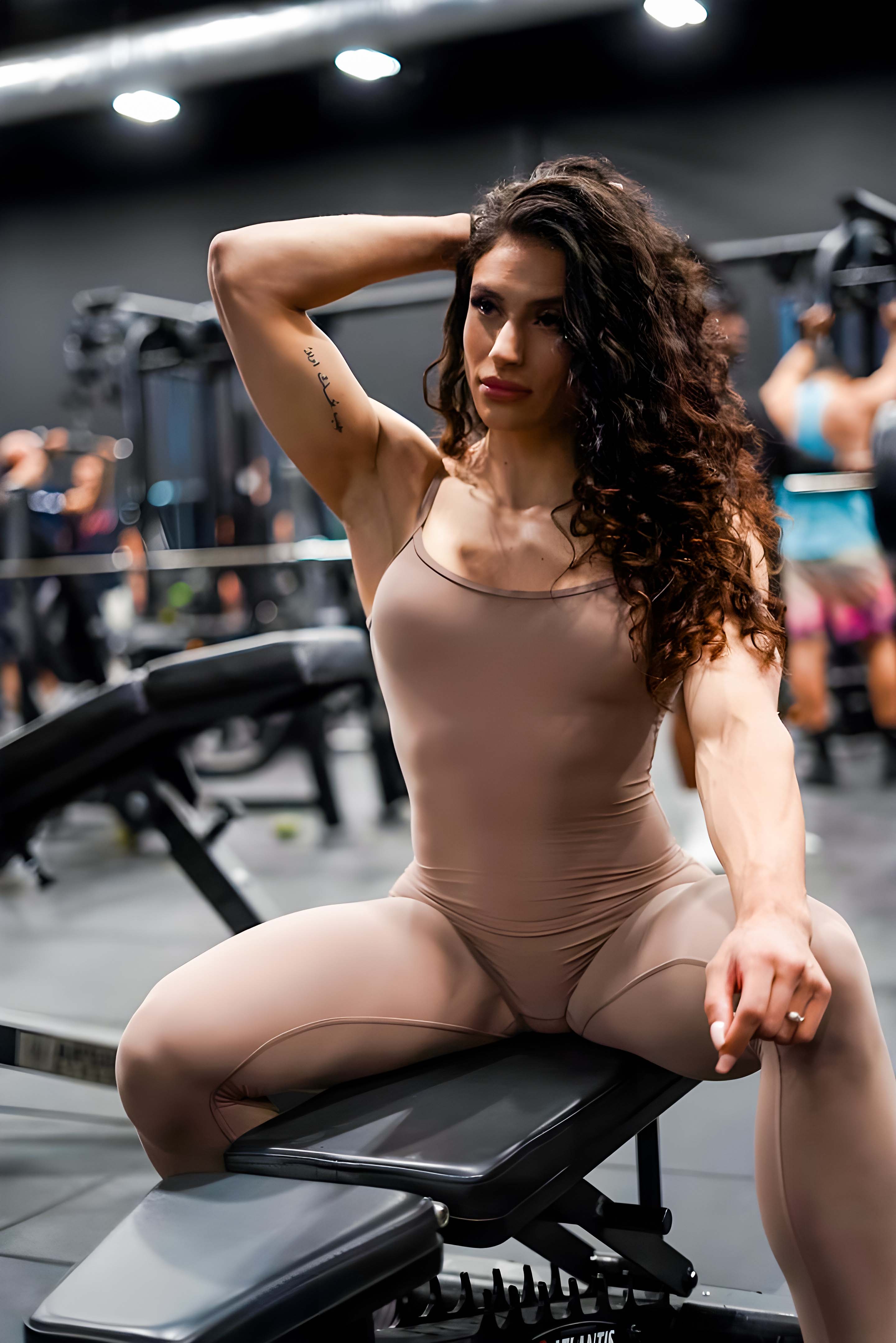
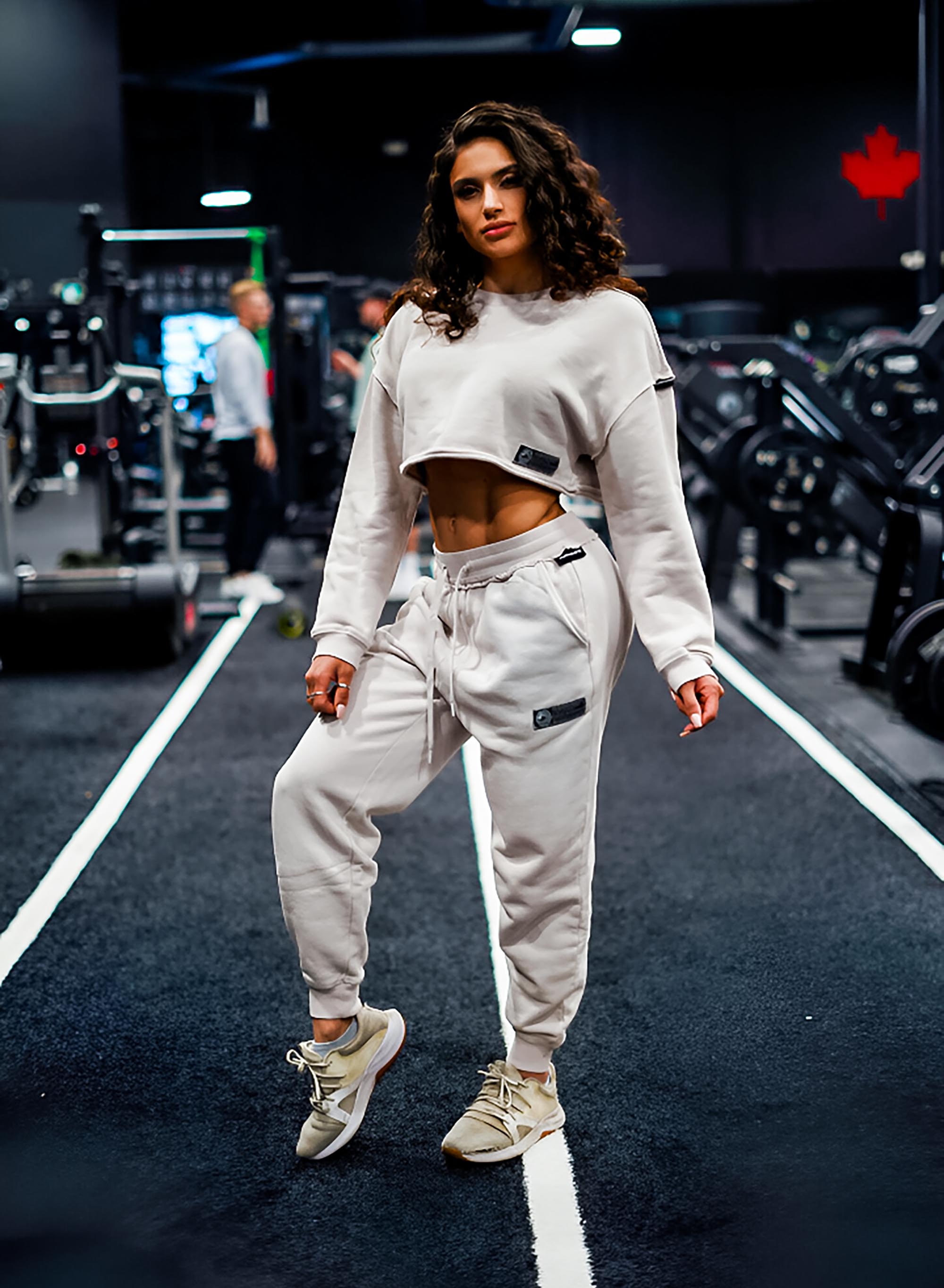
At TorontoPages, we’re always inspired by local voices redefining what it means to live with purpose, strength, and resilience. Vanessa Kafieh is one such voice – a Toronto-based online fitness coach, entrepreneur, and wellness athlete whose journey from personal hardship to professional empowerment is as motivating as it is raw. As the founder of APX Physiques, a team athlete with Team Ludachris and Lift The City Supplements, and a beloved dog mom, Vanessa represents the intersection of discipline, authenticity, and transformation.
Her coaching isn’t just about aesthetics, it’s about rebuilding confidence, reclaiming identity, and helping clients become stronger from the inside out. Whether she’s guiding someone through a custom fitness program, preparing for her next bodybuilding competition, or simply showing up for herself each day, Vanessa brings her whole self to the process: mind, body, and heart.
In this exclusive interview, she opens up about the roots of her passion, the mindset behind her coaching, and the lessons she’s learned from both sport and struggle. For anyone looking to rise, reset, or simply feel inspired, Vanessa’s story reminds us that strength isn’t just found in the gym, it’s something we build, choice by choice.
Please introduce yourself to our readers.
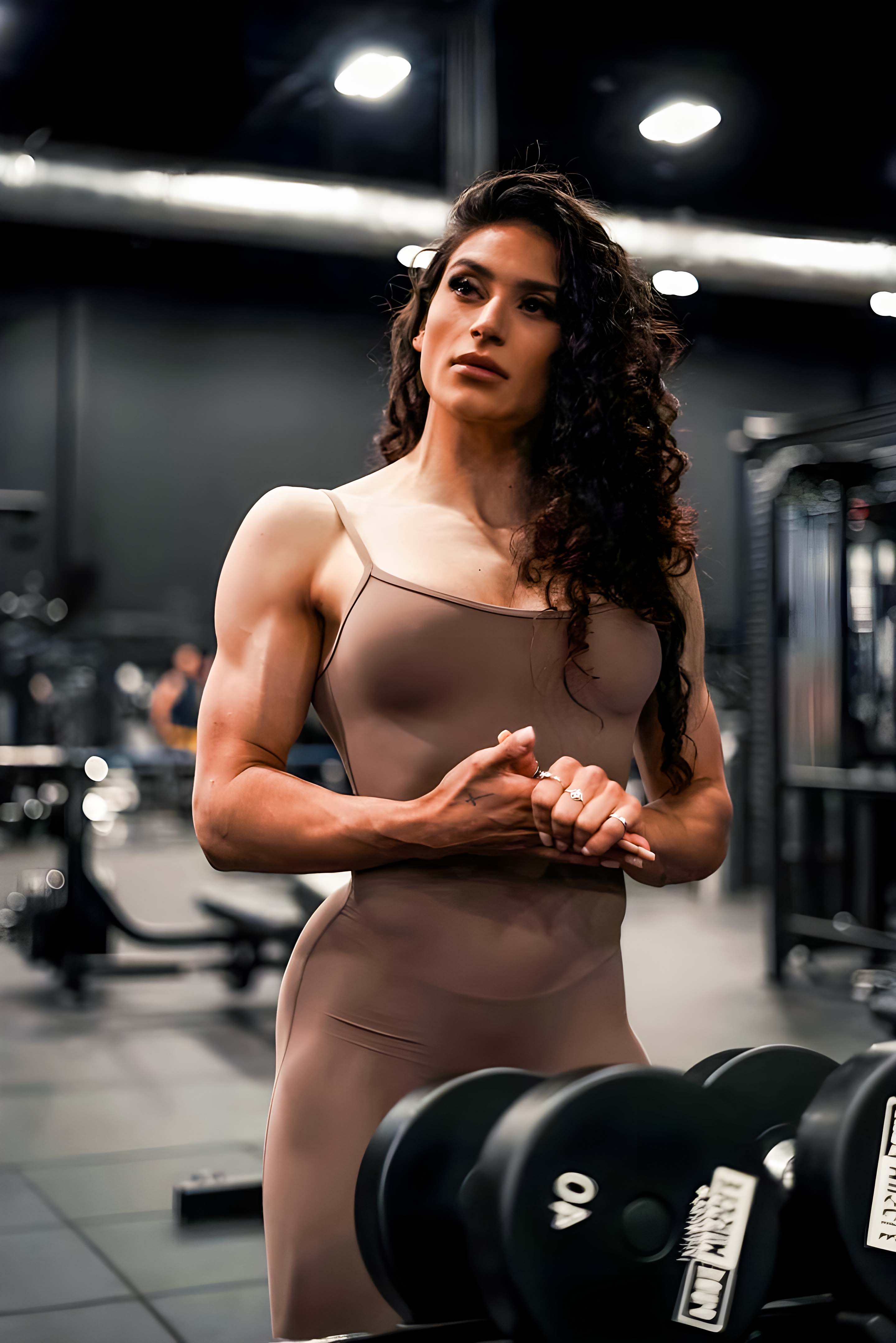
Hey! I’m Vanessa Kafieh – a competitive wellness bodybuilder, online fitness coach, dog mom, and the founder of APX Physiques. I’m from Richmond Hill, Ontario, and I’ve been an athlete my entire life. I trained as a high-level gymnast aiming for the Olympics, competed in equestrian, played water polo, and somehow still ended up loving the iron. My energy? Loud, passionate, kind of chaotic in the best way. I’m the type to hype up a stranger at the gym or voice note my clients a full motivational rant mid-cardio. Fitness is my lifestyle, but connection is my fuel. I believe in strong bodies, stronger minds, and building people back up from whatever life’s thrown at them.
What inspired you to become an online fitness coach and entrepreneur?
Honestly? Rock bottom. When injuries forced me out of every sport I loved, I lost my identity. I went through a really hard time in university. I struggled with addiction and felt like I had no direction, no outlet, no purpose. The gym became my therapy, structure, and healing. It gave me a way to rebuild when nothing else was working. That’s what inspired APX Physiques. I didn’t just want to coach people through workouts. I wanted to help them rebuild their lives the way I rebuilt mine. Through discipline. Through movement. Through mindset. I took my background in Psychology and Neuroscience and created a method that goes deeper than reps and macros. Whether someone’s rebuilding after addiction, heartbreak, pregnancy, or just life – I’m here to show them what they’re made of.
How did your gymnastics and bodybuilding background shape your fitness philosophy?
Gymnastics was my first love. I was training at an Olympic level from a really young age, so discipline, routine, and pushing limits were basically my entire identity. It taught me how to master my body, how to show up even when I didn’t feel like it, and how to chase something bigger than myself. Bodybuilding came later, after my injuries, but it saved me in a different way. It taught me patience – the kind of deep, internal patience that comes from showing up day after day without instant results. It made me realise that transformation isn’t just physical, it’s mental, emotional, even spiritual. So my whole philosophy as a coach is built around that: structure with purpose. I’m not just handing out workouts. I’m teaching people how to build discipline, take control of their lives again, and use fitness as a tool for confidence and resilience. That mindset came from the little girl flipping on a beam, and the woman in the gym piecing herself back together with every rep.
What motivated you to create APX Physiques?
APX Physiques came from a place of personal rock bottom. When I lost my identity as an athlete, I spiralled mentally, emotionally, physically. I struggled with addiction, self-worth, and the feeling that I had no direction anymore. Fitness was the thing that pulled me out of it. It gave me structure when I felt lost and rebuilt my confidence one rep at a time. But I also saw how surface-level the industry can be. There’s so much noise around quick fixes, aesthetics, and hustle culture and not enough focus on the why. I created APX to cut through that. My mission was to build a coaching method that helps people heal, not just “get fit.” APX is for anyone who’s been through something heartbreak, addiction, postpartum, burnout. I coach from a place of deep understanding and lived experience. I combine my neuroscience background with the tools that actually helped me rebuild strength training, structure, and identity work. My clients don’t just get abs, they get their power back.
How do you help clients rebuild after personal setbacks?
I help them because I am them or I was. I’ve been at rock bottom. I’ve lived through identity loss, addiction, and that feeling of not recognising yourself in the mirror. So when someone comes to me and says, “I don’t know where to start,” I get it. And I don’t just hand them a program, I walk with them through the process of rebuilding. We start with structure. Fitness gives you something to hold onto when everything else feels out of control. Then we focus on building consistency, discipline, and confidence, little by little. I remind them that this isn’t about being perfect; it’s about showing up for yourself when it’s hard. I help them shift from “I need to fix myself” to “I’m learning to love and lead myself.” We use fitness as a tool for transformation, not punishment. And because I’ve lived it, I coach with empathy, not ego.
How do you use technology or fitness apps in your coaching?
To be honest, I keep it simple. I use tools like Fitlog to help calculate macros efficiently, but when it comes to creating training programs or building out a client’s plan, I still do it all by hand. I know that’s not what most coaches do, especially if they want to scale big. But for me, it’s about quality over quantity. I don’t take on more clients than I can handle. I’d rather give deep, personalised support to a smaller number of people than run a high-volume system that loses that human touch. Every check-in, every plan, every adjustment I’m involved. My clients know they’re not getting a copy-paste template. They’re getting my full attention, feedback, and support. There’s nothing wrong with automation, but I believe that when someone’s trusting me with their body, their healing, and their goals, they deserve my presence – not just my platform.
What’s your view on AI fitness programs? Helpful or limiting?
They can be helpful as a tool but they’ll never replace the human side of coaching. AI can give you structure, sure, but it doesn’t know what it feels like to fall off track, go through a breakup, or lose motivation because life hit hard that week. That’s where real coaching comes in. I don’t just adjust macros, I adjust mindset. My clients don’t need a robot that tracks numbers; they need a coach who sees them, hears them, and knows how to guide them through the ups and downs. So AI has its place, but connection and customisation will always win.
How do you keep your online clients accountable?
It starts with connection. I build real relationships with my clients. I check in regularly, follow up with voice notes, give feedback on progress photos, and make adjustments based on how they’re actually feeling, not just what the data says. Every client has weekly check-ins, and I track not just their physical progress but their stress, energy, digestion, and mindset too. They know I’m paying attention. And because we have that trust, they’re way more likely to stay consistent and honest with themselves even on the hard days. Accountability isn’t about pressure, it’s about partnership.
How has social media shaped your fitness journey and business?
Social media has helped me share parts of my journey especially as a bodybuilder and connect with people I wouldn’t have met otherwise. But I’ll be real, I’m still figuring it out. I’m learning how to show up online in a way that feels true to me while also building my brand. It’s a process, but I know how important it is, especially in this industry.
What’s one boundary you set to stay mentally healthy online?
As a bodybuilder, I have to be really mindful not to fall into comparison. It’s easy to scroll and start picking yourself apart, especially during prep or off-season. I’ve learned that true growth happens when you stop comparing yourself to others and start comparing yourself to yourself. That’s the only progress that matters. Social media is a highlight reel, I know that. I’ve even added a little extra volume to my hair in a post before. So I try to keep it real and remind myself (and others) that what we see online isn’t always the full picture.
How did the pandemic change your coaching methods?
To be honest, before the pandemic, I wasn’t even coaching yet. I was still coming out of a really rough chapter in my life, all the pain, addiction, and identity loss I’ve talked about and I was just starting to get my footing again. During that time, I got bored and knew I needed to do something more. My ex-partner at the time was a competitive bodybuilder and introduced me to the world of fitness. That connection pulled me into the sport, and that’s where everything shifted. I started learning, training, and building the foundation of what would become APX Physiques. The pandemic didn’t change my coaching methods, it created them.
Do you think home workouts are here to stay?
Absolutely. Not everyone has access to a gym. Whether it’s financial, location-based, or just a time thing and that doesn’t mean they can’t build a strong, healthy body. I coach a lot of clients who train at home: moms with limited time, students, people juggling shift work, or those who feel more comfortable starting in their own space. Home workouts will always be relevant because they make fitness accessible. As long as someone is moving with intention, the environment doesn’t matter, the consistency does.
What does being part of Team Ludachris and Lift The City mean to you?
Chris supported me long before I ever officially joined his team. There were moments in prep where my old coach bailed even on show day and Chris stepped in and helped peak me last minute. That alone speaks volumes. I showed up to him four weeks out from a competition, fresh off a separation, mentally and emotionally wiped and he still took me on. Most coaches wouldn’t. But he didn’t just coach me physically, he coached me through one of the hardest emotional chapters of my life. That kind of support is rare. It gave me more than a team. It gave me a foundation to rebuild on. The same goes for Lift The City. They’ve been there for me through the dark parts of my story, always pushing me, motivating me, and giving me a community that doesn’t just believe in lifting heavy but lifting each other. I owe a lot of my growth to both.
How do you balance being a coach, entrepreneur, athlete, and dog mom?
It’s chaos but I love it. My entire life is rooted in health, movement, and service. I’m in the gym constantly coaching, training, creating and now that I’ve left the bartending industry and aligned my career with my passion, it doesn’t feel like “work” in the traditional sense. But it does get overwhelming. I’ve got client check-ins, calls, programs to write, dogs to walk, my own training to get done, meals to eat, content to post all while trying to build a business and not burn out. So prioritisation is everything. I’ve learned the hard way that I have to put myself first. If I’m not rested, nourished, and in a good headspace, I can’t show up for anyone else not my clients, not my dogs, not my partner, not my business. So I check in with myself daily and adjust as I go. Some days, it’s messy but I wouldn’t trade it for anything.
What’s your morning routine or top productivity hack?
First thing in the morning – dogs. Always. My boyfriend and I are both bodybuilders, so between the body heat and the chaos, the dogs don’t sleep in the bed with us, unfortunately. So as soon as I wake up, they’re my first priority. I let them out, give them a little playtime, and make sure they know we didn’t forget about them. After that, it’s hydration, supplements, and making sure food is prepared for both me and my partner so the day doesn’t start off stressed. Mornings are usually a bit rushed because I prioritise sleep as much as possible. I’ll take every extra minute I can before getting up. But I make sure to leave just enough time to move through the non-negotiables. And when it comes to productivity, I fully believe in starting the day with the task you’re avoiding most. Tackling the most resistance-heavy thing first builds momentum. It’s a game changer.
How do you motivate beginners to stick to their fitness journey?
We all start somewhere. No one’s above that. And I remind my clients of that constantly. I’m here to guide them, encourage them, and give them as much wisdom as I can… but I also know that everyone moves at their own pace. Some lessons take time to land, and that’s okay. I focus on small wins. I help them shift their mindset from “I have to be perfect” to “I just have to keep going.” And even if they fall off track, I never make them feel like they’ve failed because they haven’t. I’m here to remind them who they’re becoming, every step of the way.
What keeps you personally motivated on hard days?
I’ve been through worse. That’s what I remind myself of. When the days are tough, I tap into the discipline I’ve built over a lifetime. I know where I want to be, and more importantly, I know what it’s going to take to get there. I was raised to be strong, focused, and resilient, and everything I’ve gone through growing up has built me into someone who doesn’t give up when things get hard. I’ve got the tools, the grit, the character and I know nothing worth having comes easy. The hard days are just part of the process. And I’ve made peace with that.
How do you choose supplements that align with your values?
I take it seriously. I won’t recommend anything I haven’t researched or wouldn’t take myself. My partner is extremely knowledgeable about supplements, so we bounce ideas off each other and stay sharp as a team. I also read a lot, dig into clinical research, and ask questions when I don’t know something. I don’t pretend to have all the answers, but I do make sure I understand what I’m recommending and that it’s safe, effective, and aligned with my client’s goals and health. No gimmicks, just what works.
How do you help clients avoid fitness fads and focus on what works?
I educate. Once a client understands why something works, they stop chasing whatever’s trending on TikTok. I teach them the science behind their plan, the real reasons we’re doing things a certain way. So, they feel confident and grounded instead of distracted and overwhelmed. My goal isn’t to keep them guessing or reliant on me forever. It’s to help them become the expert on their own body. Trends come and go. Results built on knowledge, patience, and consistency? That lasts.
Are you planning to compete or pursue a personal fitness goal soon?
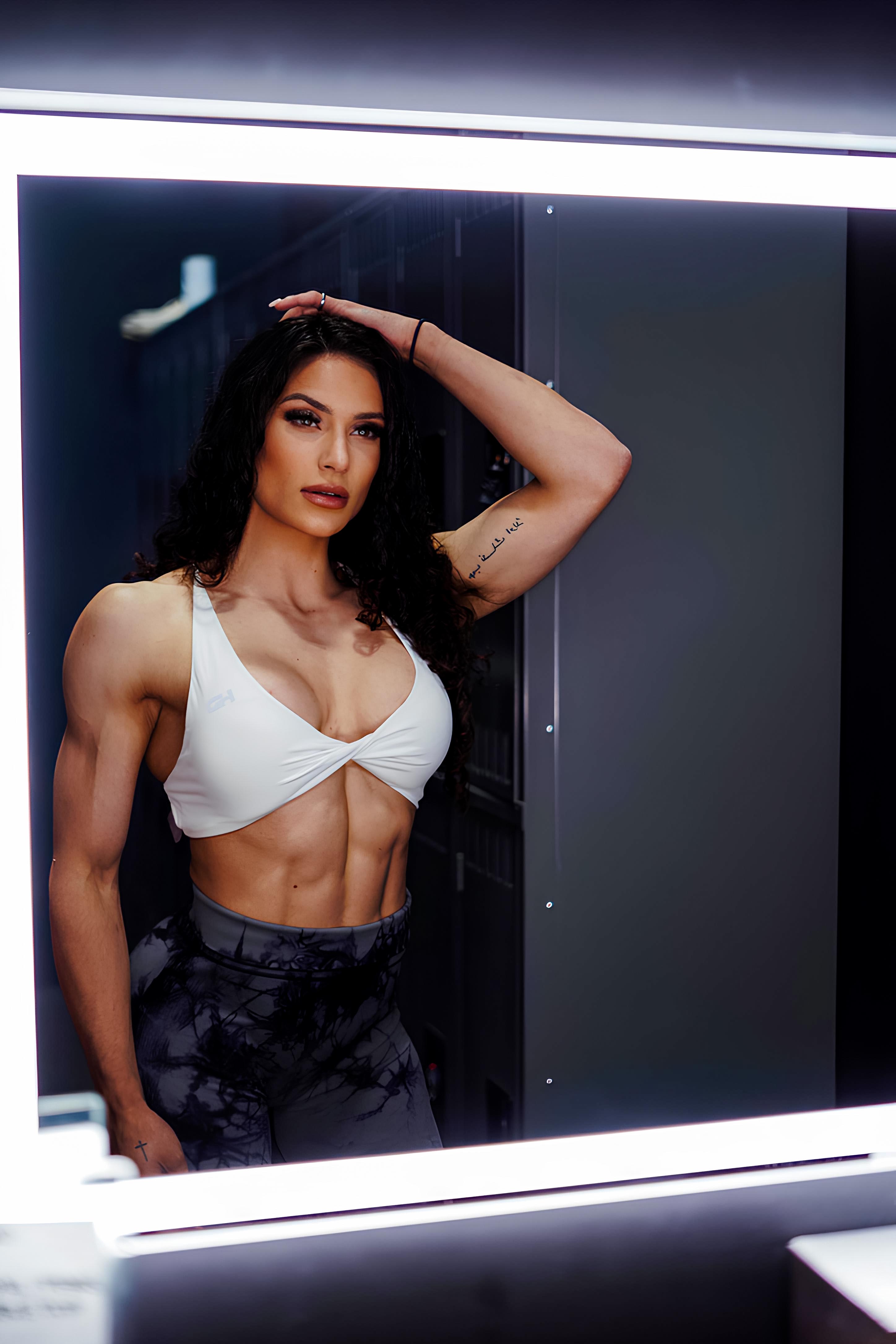
Yes. I’m planning to step on stage again next year, depending on how my physique progresses. It’ll either be early or mid-year, but I’m letting my body dictate the timeline. Right now, I’m in a big growth phase. I’ve got another health phase planned, followed by a final push toward the end of the year, all with one goal in mind: to make my legs massive. Like, undeniable. It’s been two years since my last show. Year one was about healing mentally, emotionally, and rebuilding my life and career after a difficult separation. This year has been about pouring everything into my physique and growing as a coach, athlete, and woman. When I return to that stage, I want there to be no question that I belong up there.
How do you teach clients to value strength over appearance?
As a bodybuilder, I know how much of this industry is centred around aesthetics. But the real transformation, the kind that sticks and comes from strength. Not just how you look, but what you’re capable of doing. I always bring it back to function. Do you feel strong in your body? Can you pick up your kid without pain? Can you carry your groceries, move through your day, and feel proud of what your body does for you? That’s the kind of strength that changes how you see yourself. Muscle and aesthetics are cool, but true confidence comes from feeling capable. And once you unlock that, the physical results follow.
What’s the message you hope to leave with the Toronto fitness community?
It doesn’t matter where you’re starting from or how far you’ve fallen. You already have the strength inside you to rise again. And the best way to do that is by taking care of your health. Because if your body and mind are broken down, everything else in life feels impossible. But when you start focusing on yourself, when you heal your body, strengthen your mindset, and take back your power, you realise you’re capable of so much more than you ever thought. When you have the discipline and the energy, you can literally change your entire life. I’m living proof.
Your message for us at TorontoPages magazine.
Thank you so much for featuring me. It means a lot. I wanted to make this as raw and real as possible because I’ve never been someone to hide the tough parts of my story. I grew up in the spotlight through individual sports like gymnastics and equestrian, and I’ve learned that there’s real power in being transparent, especially about the struggles. I hope anyone reading this feels seen and inspired to take that next step toward becoming who they’re meant to be. No matter where you are, it’s never too late to change your story and you don’t have to do it alone.