“From folk roots to fantastical realms, redefining storytelling through sound.”
Toronto’s independent music scene continues to thrive on bold storytelling and creative risk-taking, and few emerging artists embody that spirit quite like Kailan McGee. With the upcoming release of her sophomore LP, Lady of the Moon, arriving April 1st to coincide with the Pink Moon, McGee steps confidently into a new artistic era, one defined not by personal confession, but by pure imagination.
Following a sprawling 21-track debut rooted in lived experience, the Cobourg, Ontario native pivots toward a fully conceptual project set deep within Germany’s Black Forest. Across eight tracks, each aligned with a phase of the moon, McGee crafts a richly layered world of myth, folklore, and haunting characters, all drawn entirely from her own creative vision. The result is an immersive, cinematic listening experience that blurs the lines between music, storytelling, and visual art.
Recorded at Chalet Studios in Claremont, Ontario, and brought to life alongside a close-knit circle of collaborators, Lady of the Moon also showcases McGee’s multidisciplinary artistry, with the singer-songwriter painting the album’s visuals herself.
In conversation with TorontoPages, McGee opens up about challenging her songwriting process, building entire worlds from scratch, and embracing the strange, the eerie, and the beautifully unconventional.
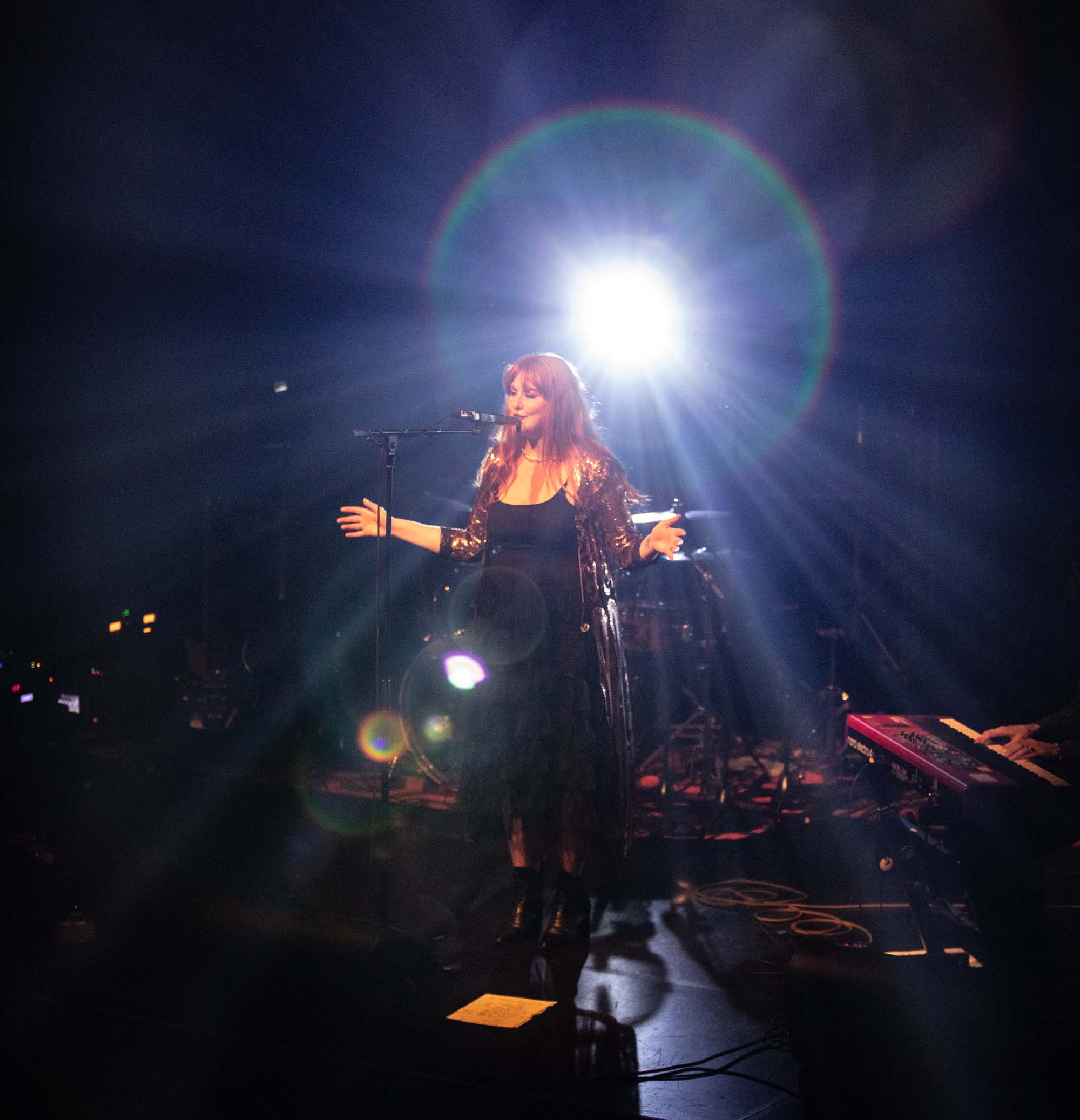
For readers just discovering your work, who is Kailan McGee and how would you describe your artistic identity today?
I am an artist originally from Cobourg, ON. My sound has been described as “a unique brand of femme folk.” My writing flows through genres like I flow through life. I decided that every facet of myself needs a different outlet, and so, upon the release of my first album with 21 original songs, I let those songs decide their own genres. From there, my expansive debut was born.
My artistic identity will be ever-evolving; however, it also revolves around my many influences, spanning genres and time. My main influences include artists such as Joni Mitchell, Tom Petty, Iron Maiden, Rush, Lady Gaga, The Pogues, and Kate Bush.
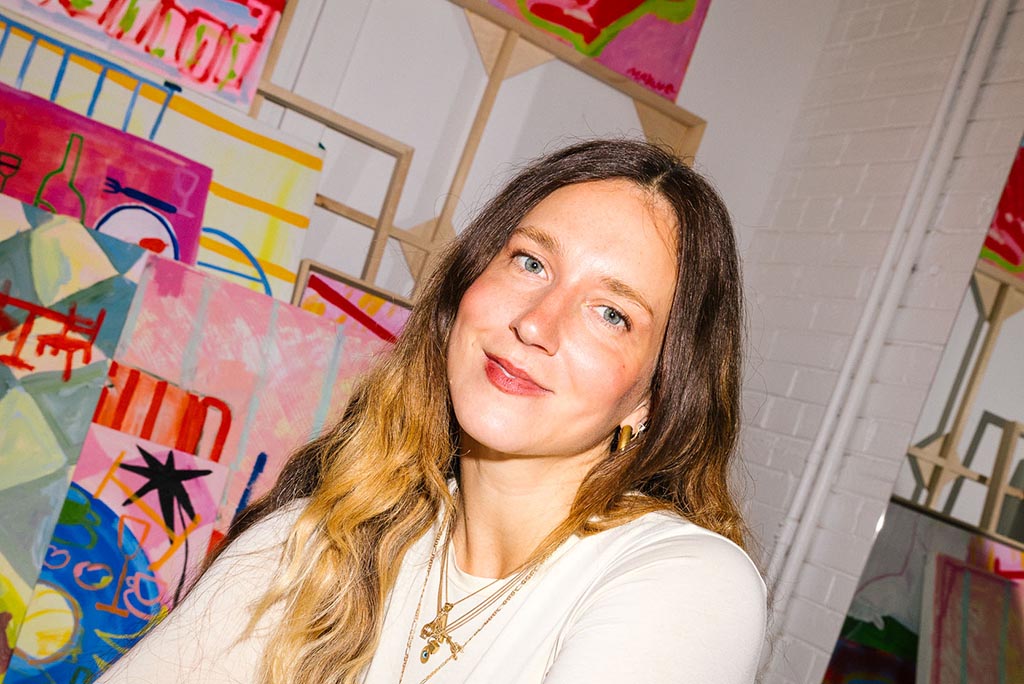
I am also a visual artist, so I paint for each song I write. It’s a great way to stay creative outside of music and to further expand it.
How has your journey as a songwriter evolved leading up to Lady of the Moon?
Lady of the Moon was a challenge I gave myself in songwriting. I wanted to write a hyper-fixated, spooky lore-type album. I have always admired concept albums, and I really wanted to try my hand at one, to fully use my imagination rather than draw on personal experiences.
What would you say defines this current chapter of your career compared to your debut record?
This record is defined by its uniquely imaginative and original sound. It specifically helped me find the path I want to follow as a songwriter and storyteller. The record has shaped what I now understand my abilities to be, and I am so excited for it to be out in the world.
Lady of the Moon is set for release on April 1st to coincide with the Pink Moon. What drew you to that timing and symbolism?
The Pink Moon is my favourite full moon of the year. Lunar cycles and the calendar have always piqued my interest, so timing a release around a celestial event felt fitting and unique for this record.
This album is also filled with strong female characters making the best of their tragic circumstances, and the moon is so often associated with femininity, so it felt like a natural fit.
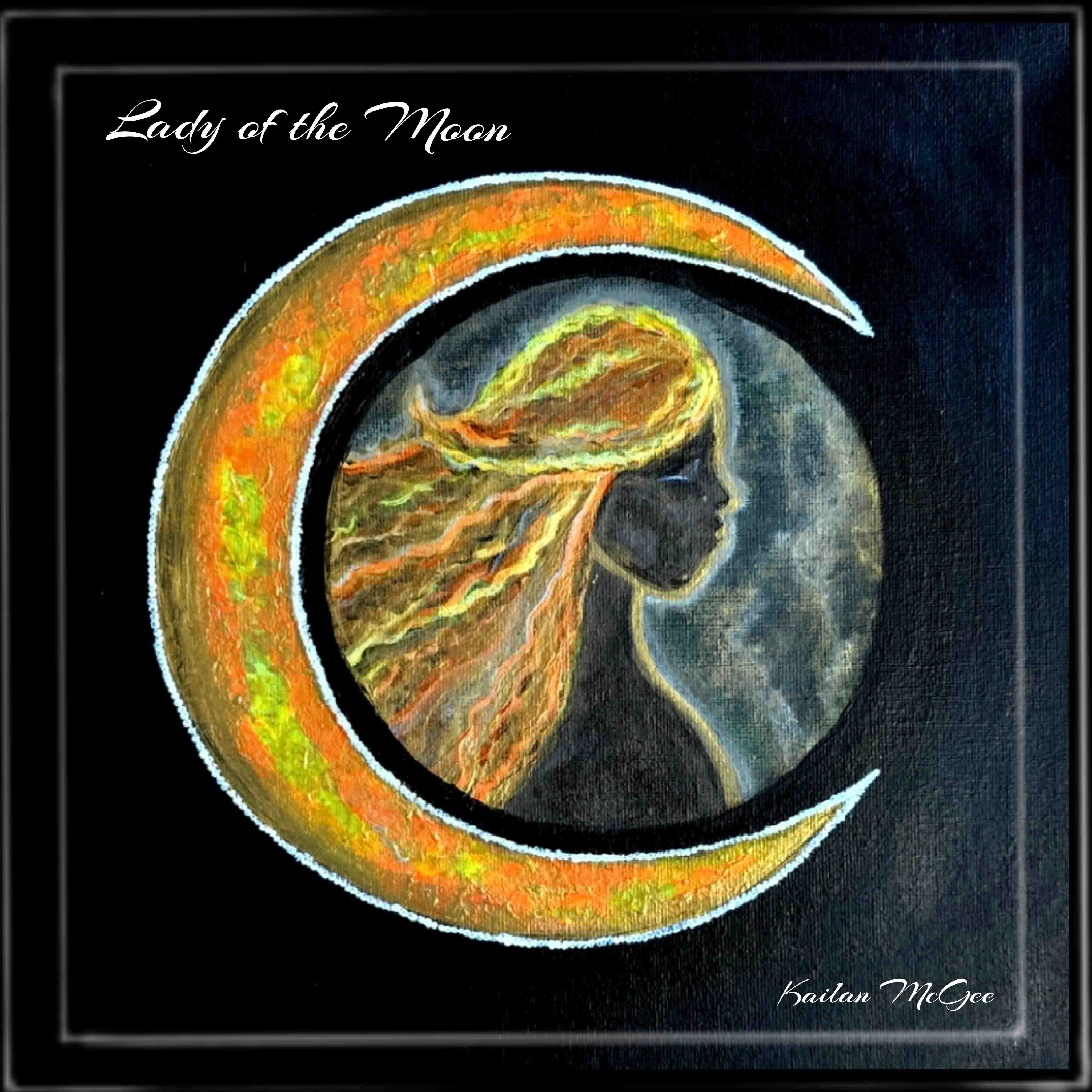
The album follows eight tracks for eight moon phases. How did that structure shape your songwriting process?
Once I decided to use the moon phases instead of traditional track numbering, that part came very easily. I wouldn’t say it shaped the writing process itself, but it definitely influenced the order in which I chose the tracks.
Why did you choose Germany’s Black Forest as the imaginative setting for this record?
I was reading spooky stories and German folktales, and I decided I wanted to write a record inspired by that world. It was something I hadn’t heard done before, and once I had the idea and setting, I hit the ground running and never looked back.
What kinds of mythological creatures or folklore most inspired the world-building on this LP?
I was definitely drawn in a spooky direction. The first characters I imagined were the witches of the Black Forest. The region has a long history tied to witch trials, so it felt like a natural place to begin. I used that history as a springboard to imagine the characters on the record.
Since all characters and lore came purely from your imagination, how did you stay creatively grounded while building such an expansive concept?
Interestingly, I didn’t feel the need to stay grounded during this process. It actually opened the door to more creative facets of myself. Creating this record taught me so much about who I am as a storyteller. The expansiveness of the lore only seemed to expand my abilities in return.
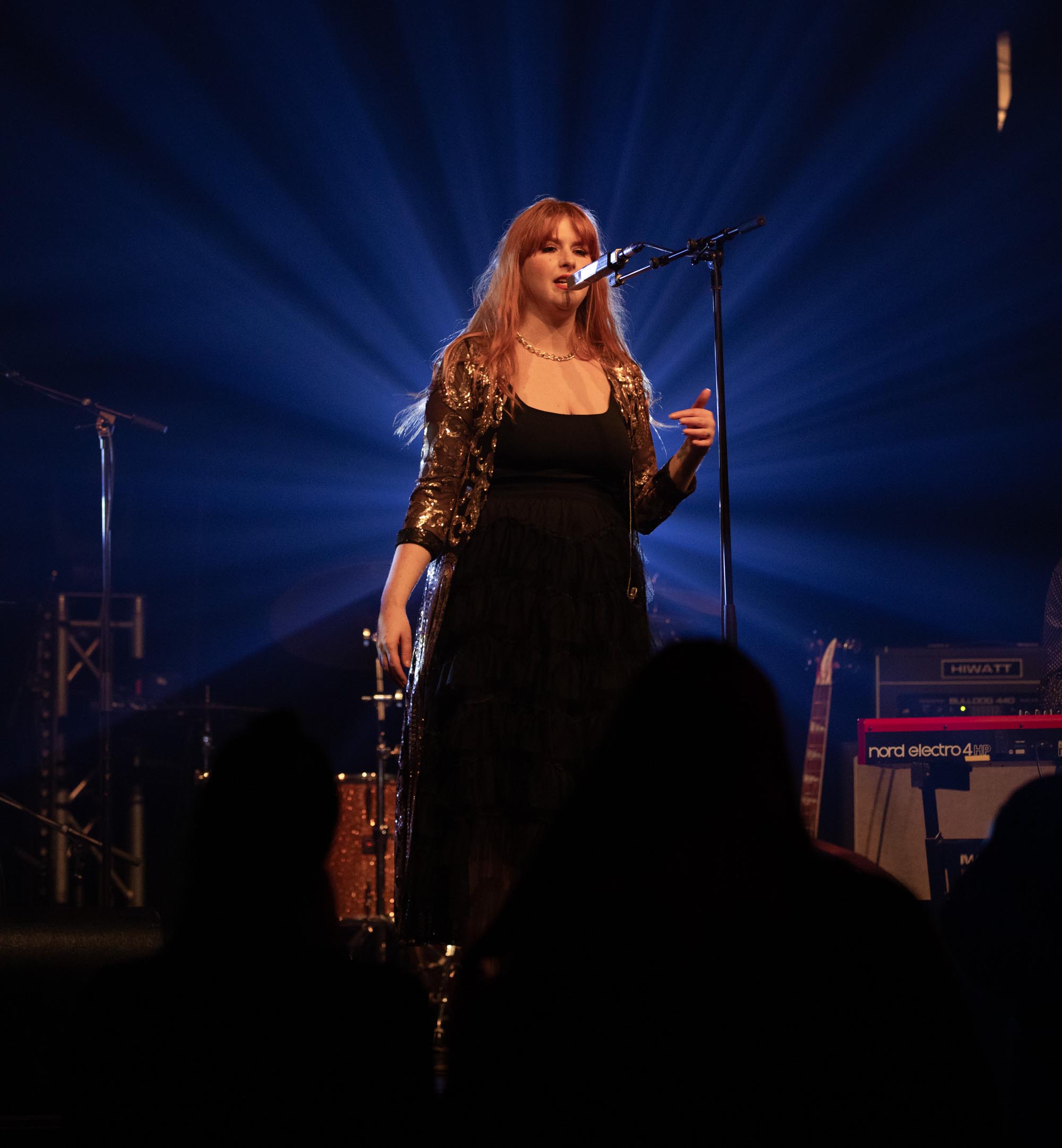
You mentioned starting with mind maps that grew into over 70 pages of notes. What did that early creative phase look like day-to-day?
Mind mapping is a very useful tool for me because it allows me to map out development, landscapes, timelines, and key story points. I placed no limits on what I wrote as ideas came to me. Then I would edit, revise, rinse, and repeat until I had a solid foundation. I gave myself no restrictions, I wrote freely and only stopped when each story felt complete.
How did those notes transform into poetry and eventually into fully realized songs?
Poetry was the second step, followed by chords and melodies. The mind maps held the framework of the story, and the poetry brought it to life before evolving into full songs.
Did any particular track come together in a way that surprised you or felt especially “alive”?
Yes, honestly, all of them! The title track, Lady of the Moon, and Hellfire Tonight in particular came to life in a way that gave me a real rush during the writing sessions.
When production began, it felt like watching a movie without a screen. Suddenly, the characters were tangible. For me as a storytelling artist, that felt like a huge win.
Compared to your previous album centred on personal experience, what was the biggest challenge in shifting to a fully imaginative concept?
The challenge itself was the fun part. I’ve never been one to stay in one lane. I enjoy exploring all the creative parts of myself and pushing myself to grow. This album proved to me that I can make any creative shift I set my mind to.
You’ve described the songs as some of the “coolest and weirdest” you’ve created. What does “weird” mean to you in a musical sense?
To me, “weird” means out of the norm, unusual wording you don’t often hear in songs, eerie poetry, spectral-sounding instrumentation, and bizarre song structures.
When the songs came to life in the studio, you likened it to watching a favourite film. Can you expand on that cinematic feeling?
It truly felt like the characters were jumping out at me. I felt like I knew them personally and in a way, I did. I had also created visual art for each track, which helped bring them to life even more. The whole experience felt incredibly cinematic.
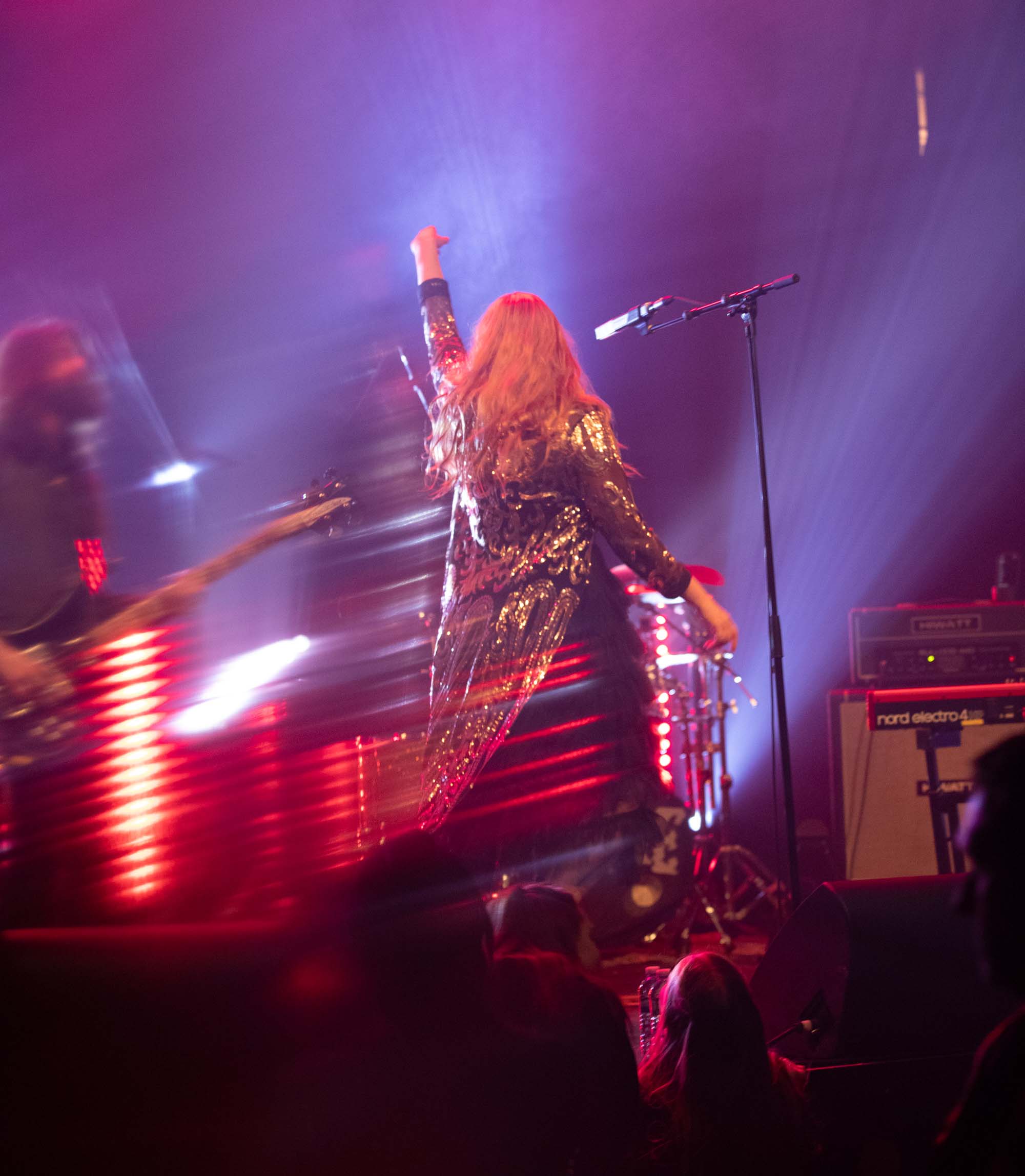
You painted the album artwork yourself. How does your visual art practice intersect with your music?
It’s a huge part of my creativity. In a world where artists spend so much energy creating visual content, I feel like I’ve found a balance that allows me to remain authentic while giving my music a richer life.
The album was recorded at Chalet Studios in Claremont, Ontario. What made that space the right fit for this project?
It’s an incredible space with amazing energy. My husband, who is in the band Crown Lands and is a multi-instrumentalist and producer, rents a room there full-time. It’s always been our go-to spot. We actually got married in the Chalet Studio A Room, so it holds a lot of meaning for us.
You collaborated with friends, family, and industry professionals. How did that collaborative energy impact the final product?
Having such talented people excited to contribute to my music was amazing. Everyone brought their own flair, adding incredible depth and dynamic to the songs. The result exceeded anything I could have imagined.
What was it like working with producer, mixer, and mastering engineer Kevin Comeau on this record?
He’s the best. It’s such a gift to be able to work on my music with my husband and best friend.
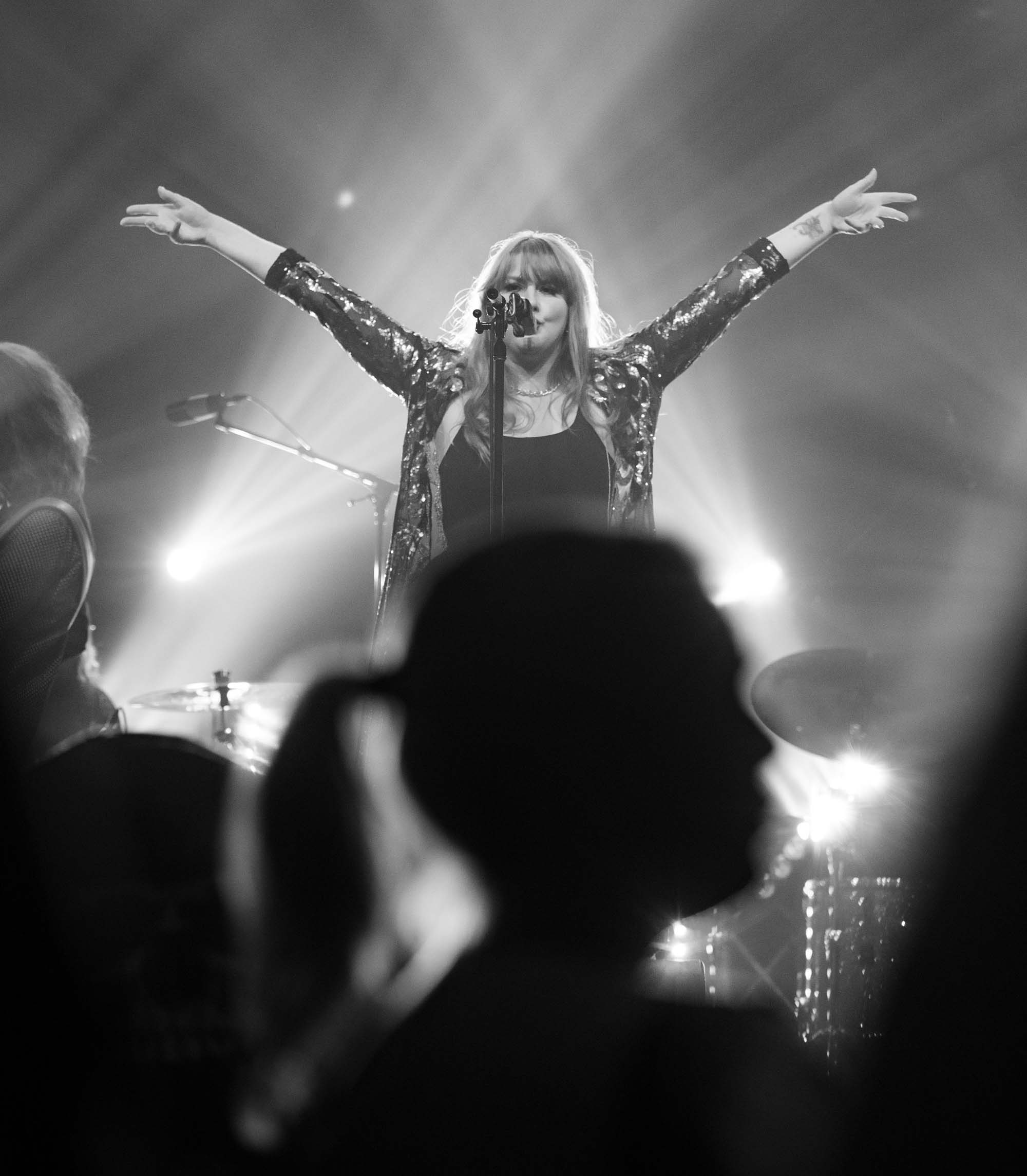
As a fully conceptual album, how do you hope listeners experience Lady of the Moon, as individual tracks or as a complete journey?
In the age of streaming and shuffle playlists, albums aren’t always experienced as intended anymore. We put a lot of thought into sequencing, so ideally, I’d love listeners to experience it as a full journey from the new moon onward. That said, I do believe each track stands strongly on its own.
Looking ahead, has this project opened the door to more concept-driven work, or are you feeling pulled in a new direction again?
Absolutely, I’m still in the concept album lane right now. In fact, my next full concept record is already written, though it hasn’t entered production yet.
Your message for us at TorontoPages magazine.
Thank you so much for reading this interview. Thank you so much to Jameel Arif, founder of Toronto Pages Magazine, for his detailed questions and attention to detail on this upcoming record.
I am so excited to share this universe with you!