A writer’s journey through grief, community, and 100 Toronto libraries.
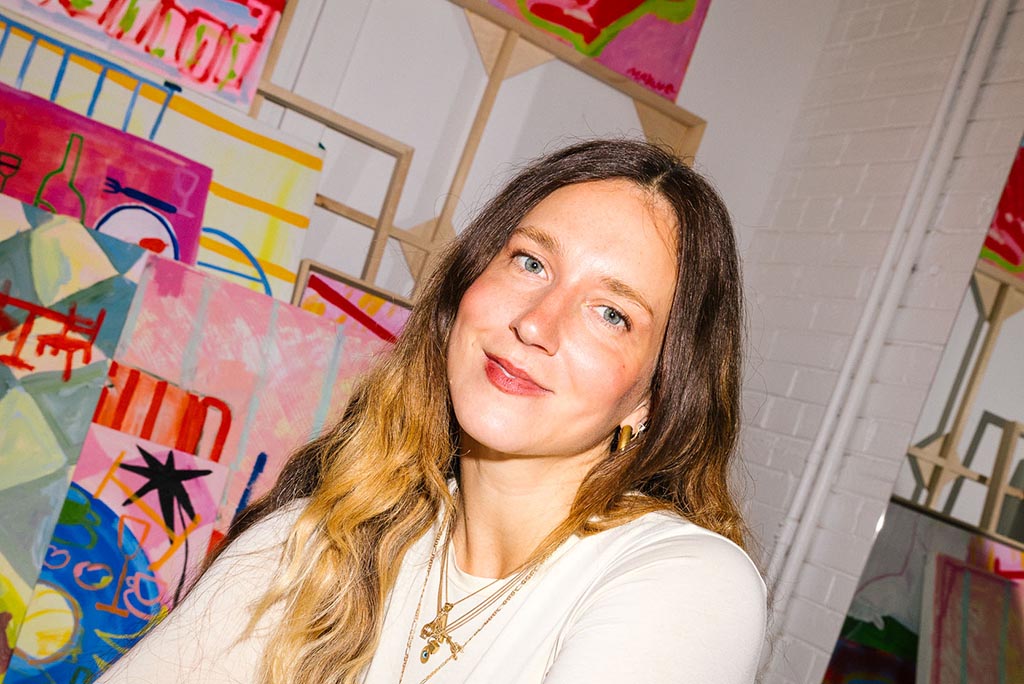
In a city as vast and fast-moving as Toronto, it’s easy to overlook the quiet institutions that hold its communities together. For writer, editor, and content strategist Marci Stepak, the Toronto Public Library is one of those essential spaces, a place that shaped her voice, fuelled her curiosity, and anchored a lifelong love of storytelling. This April, she’s embarking on an extraordinary and deeply personal journey: walking to all 100 branches of the Toronto Public Library system in honour of her late mother, while raising funds to support its future.
Blending professional insight with lived experience, Marci brings a unique perspective to both storytelling and community-building. Her work reflects a deep understanding of audience, connection, and the power of narrative to bring people together, values that are mirrored in the mission behind her walk. Spanning approximately 300 kilometres over ten days, the initiative is as much about remembrance as it is about rediscovery: of neighbourhoods, of public space, and of the enduring role libraries play in city life.
In this conversation with TorontoPages Magazine, she reflects on her career, her inspirations, and the meaning behind a journey that is already resonating far beyond herself.
You describe yourself as a writer and editor, how has your professional journey shaped the way you approach storytelling today?
These days, I work primarily as a content strategist, which means my job is less about writing the story and more about making sure the right story reaches the right people in a way that actually lands. I think about audience constantly, who they are, what they need, where they are emotionally when they encounter a piece of content. That lens has sharpened everything about how I approach storytelling. A beautiful piece of writing that nobody reads or connects with hasn’t done its job. The story and its audience are inseparable.
What first drew you to writing and editing, and how did those interests develop over time?
Reading came first always. Writing felt like the natural next step, a way of participating in something I loved rather than just consuming it. My first-ever paid writing assignment was a Couch to 5K piece for a parenting magazine. I’ve thought about that a lot lately, given that I’m now training to walk 300 kilometres. Apparently, I’ve always processed things on foot and then written about them. I just didn’t know that yet.
Can you tell us about your educational background and how it influenced your career path?
I studied English literature at U of T a million years ago, which felt like the most natural thing in the world for someone who grew up in public libraries. But I think my insatiable curiosity about others fuelled my career choices more than anything.
How would you define your voice as a writer, and has it evolved through your work and life experiences?
I think my voice has always been curious and a little self-deprecating, I don’t take myself too seriously on the page. But it’s deepened with age and experience. Losing my mom has changed my writing in ways I’m still discovering. There’s less performance now, less trying to sound like a writer and more just trying to tell the truth. I think grief does that to you. It strips away the parts that don’t matter.
What kinds of stories or themes do you find yourself most drawn to as an editor?
First-person narratives that take real courage to write. I’ve always been drawn to writers who are willing to be genuinely vulnerable on the page not performatively vulnerable, but actually honest in a way that costs them something. Chanel Miller, Belle Burden, and Suleika Jaouad are my current memoir reads.
Libraries clearly play a central role in your life, how did your early experiences with the Toronto Public Library shape who you are today?
York Woods branch at Jane and Finch was basically a second home. My mom took me every week when I was small, I’d find the children’s section and disappear into books about horses while she worked her way through the Agatha Christie shelf. Those visits taught me that the world was much bigger than my own life and that access to that bigger world was a right, not a privilege. I became me on those library floors. I don’t say that lightly.
You’ve described libraries as spaces of “access, curiosity, and community”, what do those ideas mean to you in 2026?
They feel more urgent than ever. We live in a moment of profound fragmentation, algorithmically curated feeds that show us only what we already agree with, public spaces that increasingly require you to spend money to exist in them, communities pulled apart by a dozen different forces. Libraries are the counter-argument to all of that: free, open, serendipitous, shared. You walk in looking for one thing and leave changed by something you never expected to find. That’s not something an algorithm can replicate.
Do you remember a particular book, author, or library moment that changed your perspective growing up?
Books started as a mother-daughter thing, my mom reading to me, sharing books with me, building a world around stories together. Then they became very solitary, my own cocoon, an escape that was entirely mine. But something shifted when I went to see John Grisham give a reading as a teenager. I was completely unprepared for how communal the experience was, hundreds of people who’d all had a private relationship with the same words, suddenly in the same room together. It cracked something open for me. I realized reading isn’t actually solitary at all. It just feels that way until you find your people.
How have libraries influenced your writing practice or creative process over the years?
Libraries were my original training ground for research, long before Google, long before AI. You had to work for information. You had to evaluate sources, cross-reference, and think critically about what you were finding and why. That discipline never left me. If anything, it feels more relevant now than ever. We live in an era of infinite information and very few guardrails, AI can give you an answer in seconds, but it can’t always tell you whether that answer is trustworthy or complete. Libraries taught me that finding information is only half the job. Knowing what to do with it is the other half.
Your upcoming walk is both ambitious and deeply personal, what inspired you to take this on now?
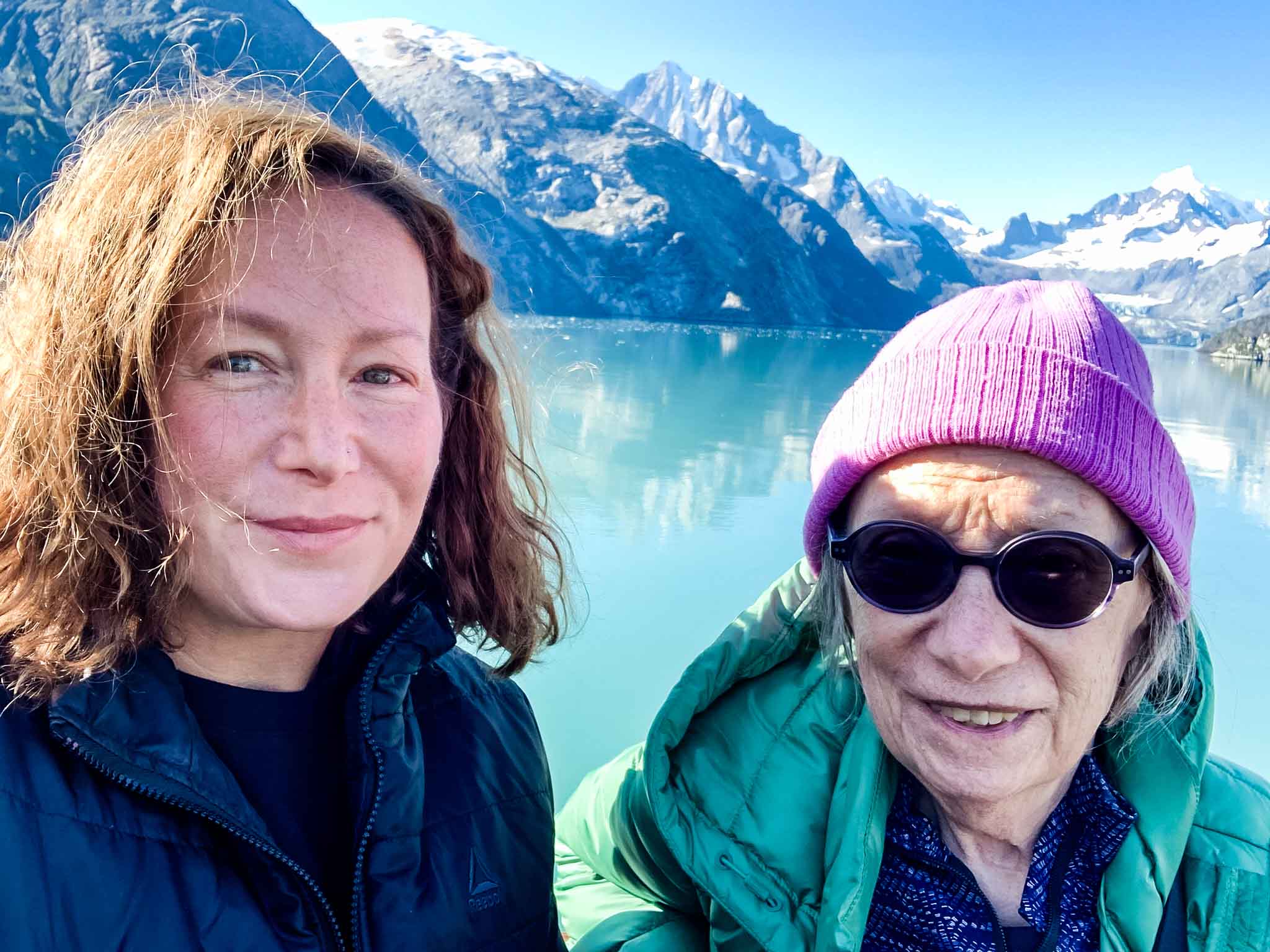
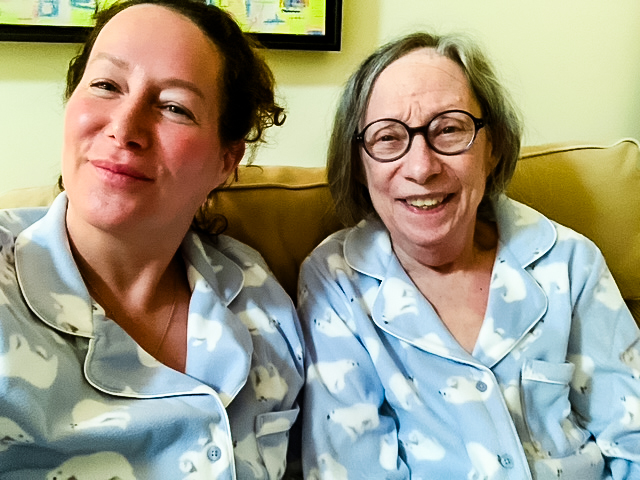
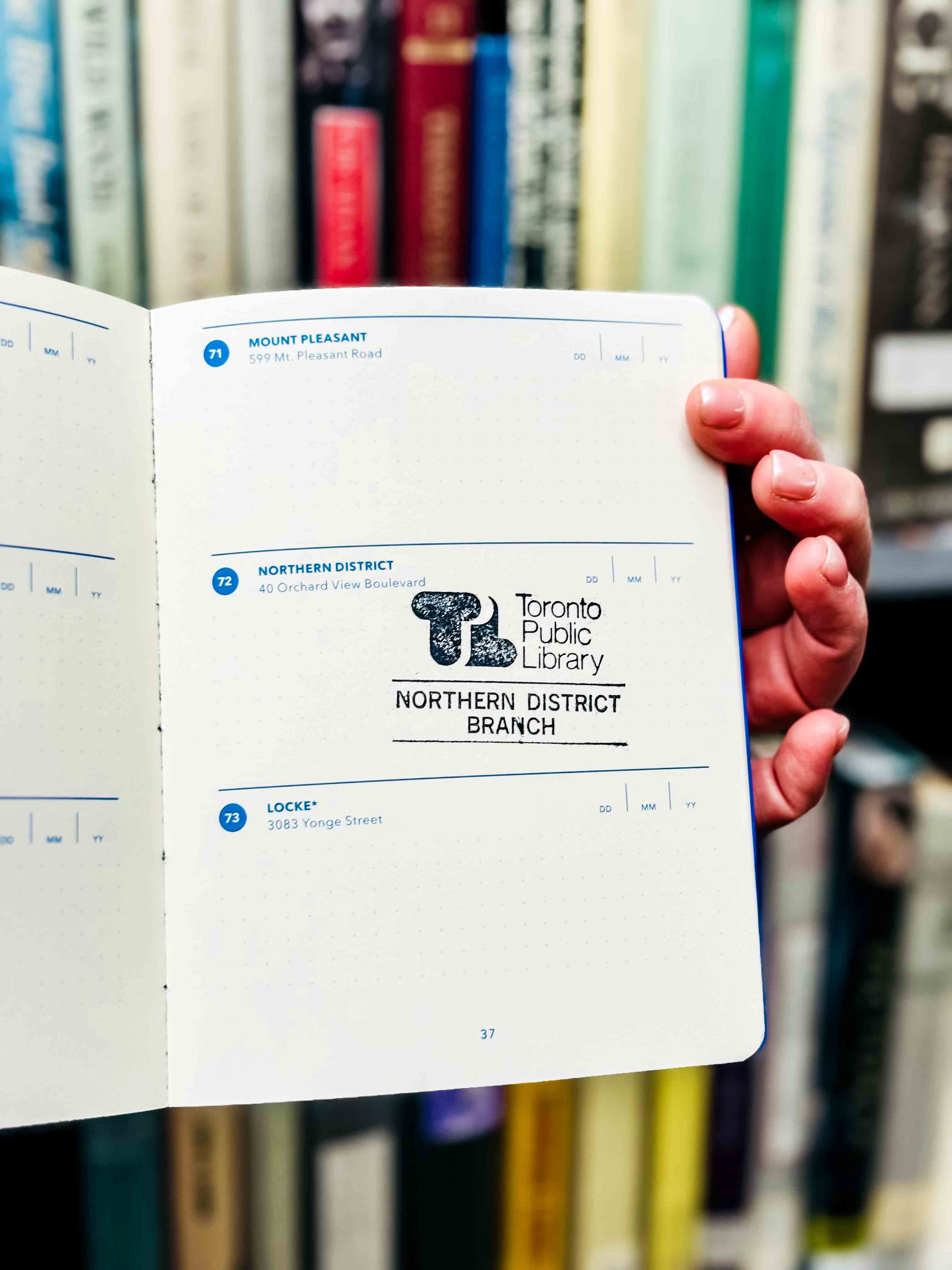
My mom and I had talked for years about doing the TPL passport walk together, visiting every branch, collecting the stamps. It was one of those “someday” plans. She died last April, and “someday” became now. This walk is my way of doing it for both of us, of keeping her with me through ten days and 300 kilometres and every neighbourhood in this city. It also gives my grief somewhere to go. I needed that.
How did your late mother influence your relationship with libraries and reading?
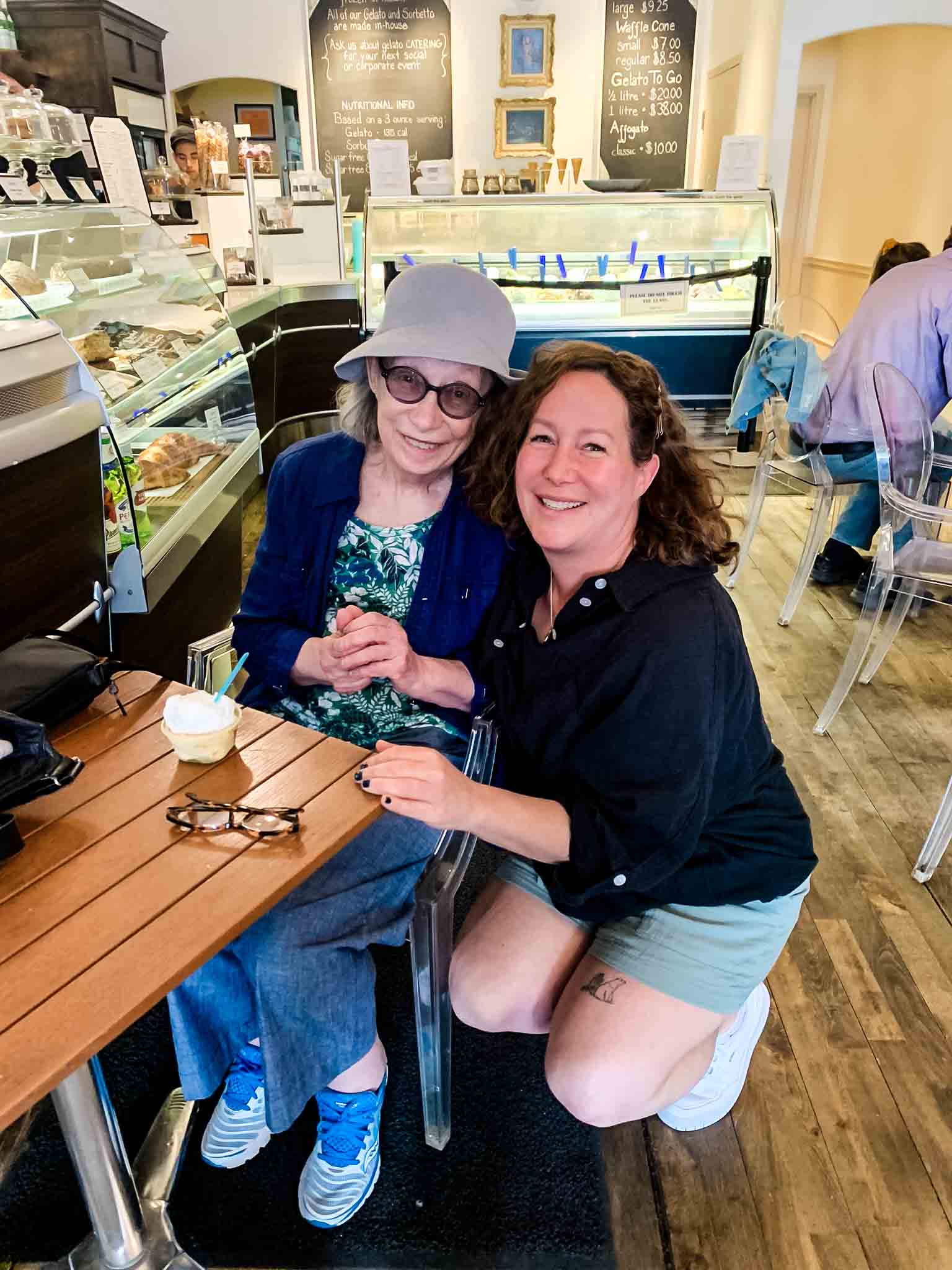
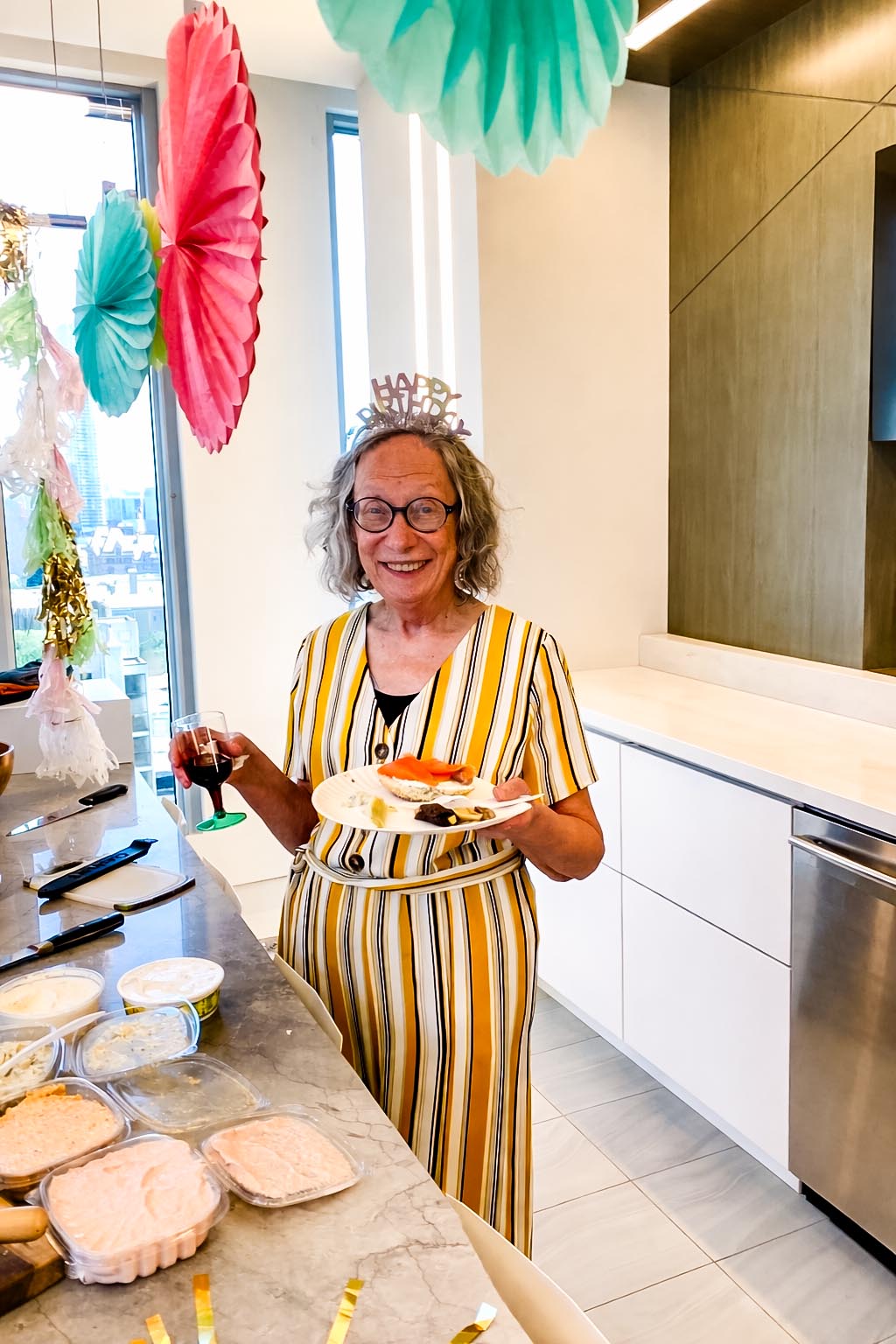
Completely and fundamentally. She believed without question and without exception, that curiosity costs nothing and knowledge belongs to everyone. She read the cereal box at breakfast when she didn’t have a book nearby. She held a Toronto Public Library card for over 50 years. Even during COVID, when she couldn’t get out, the library delivered books to her in a red canvas bag every month. A week before she died, she asked me to return her last batch of books so other people could enjoy them. She was literally my favourite person on earth. Everything about my relationship with reading leads back to her.
You’ve shared that this project is a way of saying “thank you”, what does that gratitude look like in action?
It looks like lacing up my shoes and walking 30 kilometres a day for ten days in April. It looks like raising money for the Toronto Public Library Foundation so the programs that kept reaching my mom, even when she couldn’t get out, keep reaching other people’s mothers, too. It looks like inviting strangers to walk alongside me and asking people to share their own library memories. Gratitude in action isn’t a feeling. It’s a choice you keep making, one step at a time.
The scale of the challenge is intense, how are you preparing physically and mentally?
Honestly? I’ll tell you what I told my physiotherapist, probably not as well as I should be. The weather has been lousy, my treadmill time has been inconsistent, and I lost a toenail training last summer in Tobermory, which I choose to see as character-building. But I completed a 180-kilometre hike last summer, so my body knows what sustained effort feels like. Mentally, I’m doing what any writer does with a deadline, equal parts terror and determination, with a very supportive partner keeping me fed and a dog who has no sympathy for rest days.
What has surprised you most so far as you’ve planned or begun this journey?
The strangers. I expected support from people who knew my mom, who knew me. What I didn’t expect was people I’ve never met writing to say this story cracked something open in them. Librarians reaching out. People sharing their own grief. Someone writing to say they’d been wanting to message me since they first saw my post but held back “probably ingrained, archaic social norms” until they saw me on CP24 and thought, why not. That kind of connection is the best thing this walk has produced, and it hasn’t even started yet.
Have you already visited some of the branches? If so, what has stood out?
I’ve been to several during the planning process, including the Toronto Reference Library, where I’ll finish, which felt significant to visit in advance. What strikes me every time is how alive they feel. Not like institutions like living rooms that happen to belong to everyone. I can’t wait to see all 100 through that lens.
What kinds of interactions with community members are you hoping to experience along the way?
The unscripted ones. The librarian who comes outside when I arrive. The person waiting at a branch who wants to tell me about their favourite book. The stranger who joins me for one kilometre and tells me about their own mother. I’m bringing library cards and envelopes for people to write messages in as I go, a physical record of everyone who shows up. I want the walk to become a collective thing, not just my footsteps.
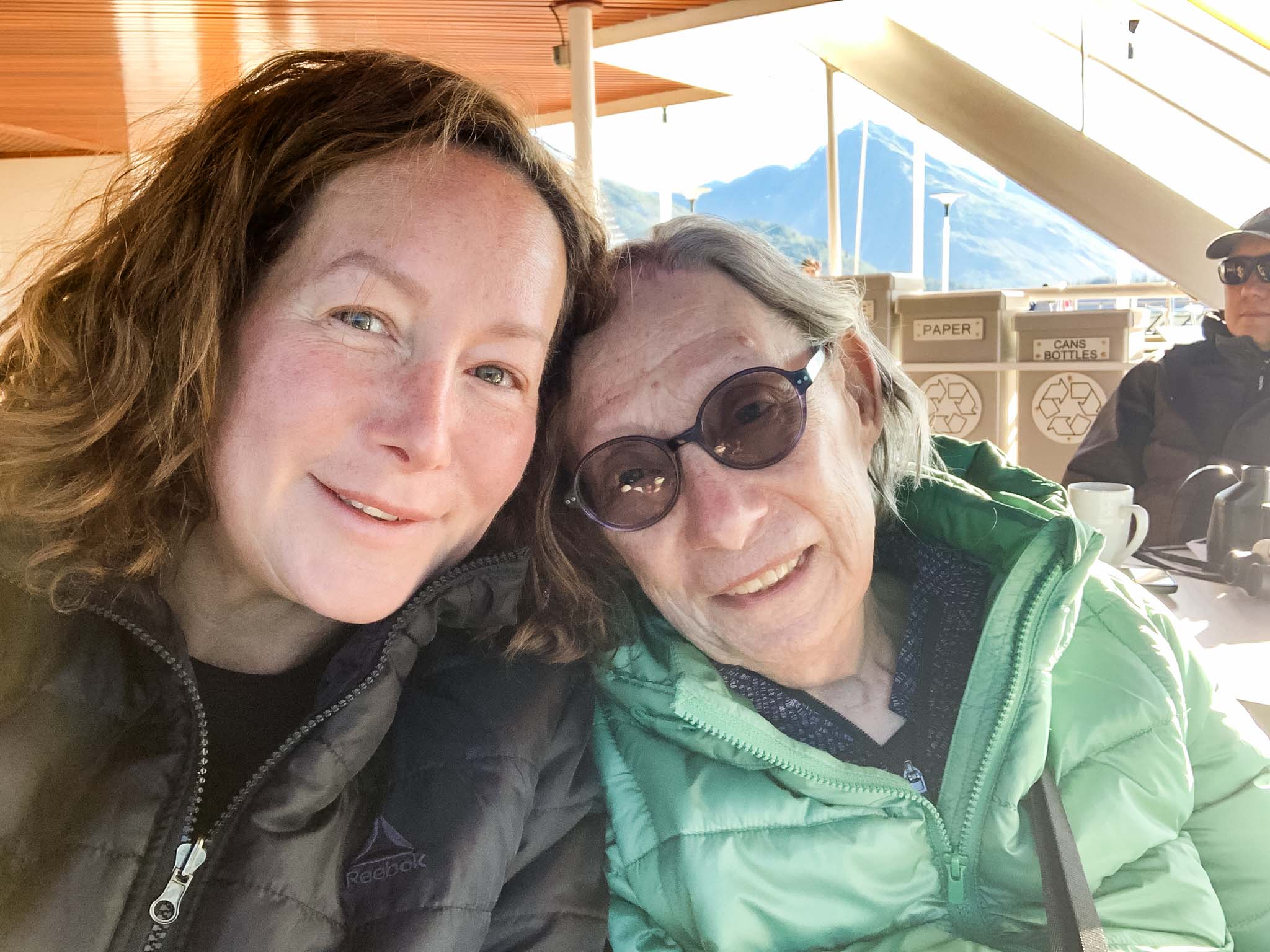
You’ve invited others to join you, how important is that shared experience to this project?
It’s everything. Vivek Murthy, the former U.S. Surgeon General, wrote in his book Together that “sometimes, in the focus on deep friendships and romantic relationships, we can lose sight of how important the small connections we make with strangers… really are.” That’s exactly what this walk is producing before it’s even started. This stopped being just my story a while ago. It’s for anyone who has ever loved a library, lost someone, and believed that public spaces still matter.
This walk is also a fundraiser, why was it important to tie this personal journey to supporting the library system?
Because love without action is just sentiment. I could have done this walk privately, just for myself and my mom’s memory. But the library gave us so much, gave me so much and it needs support to keep doing what it does. TPL is the largest public library system in Canada, and it’s quietly doing more with less every year. Tying the walk to the fundraiser felt like the only honest thing to do. Put your money where your grief is, essentially.
In your view, what role do public libraries play in cities like Toronto today?
They are proof that we can still choose to do things for each other. No barriers, no cover charge, no algorithm deciding what you deserve to access. In a city that can feel increasingly fragmented, expensive, and anonymous, libraries remain stubbornly, beautifully open. They are one of the last civic spaces where a teenager, a senior, a newcomer, and a kid doing homework can all exist together in the same room without anyone asking them to justify their presence. That matters enormously.
As a writer, how are you documenting this experience?
Daily posts on Instagram and a newsletter for the people following along. I’ll also be carrying a stack of library cards for people I meet to write on a memory, a book title, a few words. At the end, I’ll have a physical record of everyone who was part of this in some way. As for the bigger documentation, I’ll know more about what shape it wants to take after I’ve actually walked it. Some things need to be lived before they can be written.
Do you see this project becoming a book or essay collection?
Yes. Okay, maybe? I’ve known it for a while, and I’m saying it out loud now because I think that makes it real. I want to set down everything this experience has stirred up the grief, the anxiety, the logistics, the community, the city, the libraries themselves, my mom. There’s a story in here somewhere. I just have to walk 300 kilometres first to find out what it is.
What would you say to someone who hasn’t stepped into a public library in years?
Go back. Just go. You don’t need a reason, and you don’t need to know what you’re looking for, that’s the whole point. Walk in, wander around, let something find you. Libraries are one of the few places left where serendipity is still possible, where you can stumble into something that changes you without anyone having predicted that’s what you needed. We’ve outsourced so much of our curiosity to algorithms. Take it back. The library is still there, still free, still waiting.
Your message for TorontoPages readers:
Toronto is a city that can feel anonymous, expensive, and hard to love some days. But underneath all of that, there are 100 public libraries in every neighbourhood, in every corner of this city, quietly proving that we still believe in something shared.