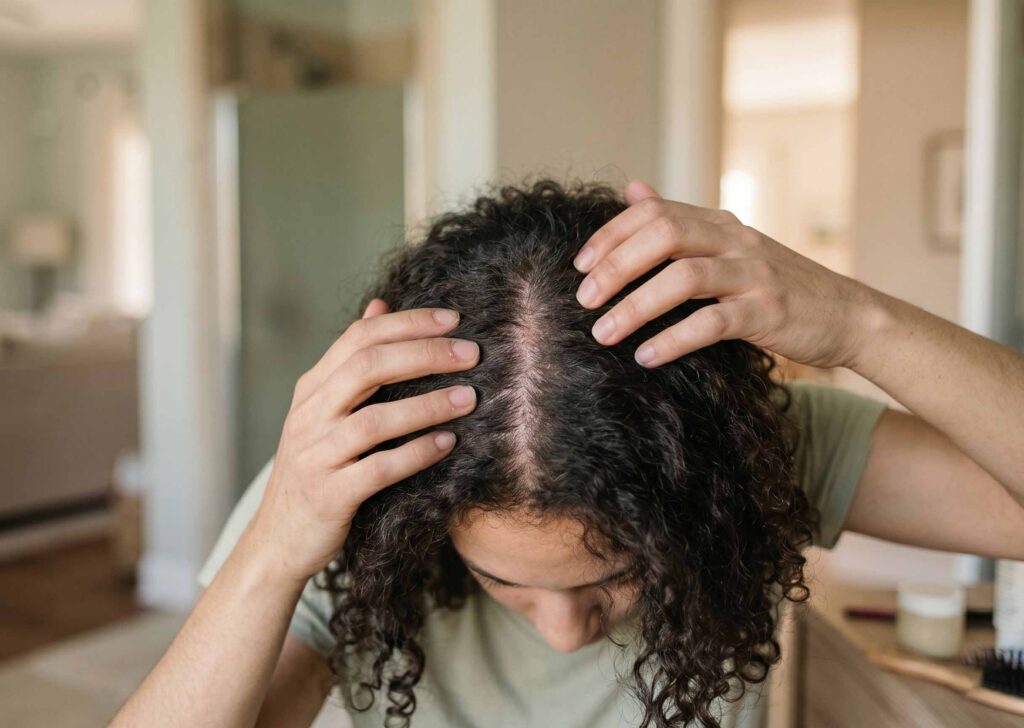
Small Problems, Big Discomfort
Why winter’s most common skin concerns deserve more attention and how to treat them effectively.
Dry, cracked lips and rough, irritated hands are almost a rite of passage during a Toronto winter. While they may seem like minor inconveniences, these common concerns can quickly become painful and persistent if not managed properly. Understanding why they happen and how to treat them correctly can make all the difference in keeping your skin healthy and comfortable.
Understanding the Winter Skin Challenge
As temperatures drop and cold winds become part of daily life, our skin faces a unique set of challenges. The outermost layer of the skin, known as the skin barrier, is responsible for retaining moisture and protecting against irritants. In winter, this barrier is constantly under stress.
Cold air holds less moisture, and when combined with indoor heating, it creates an environment that draws hydration away from the skin. Areas like the lips and hands are particularly vulnerable because they have fewer oil glands compared to other parts of the body. This makes them more prone to dryness, cracking, and even small fissures that can be both painful and slow to heal.
Frequent handwashing, something many of us continue to practise diligently further strips the skin of its natural protective oils, compounding the problem.
Why Lips and Hands Are Most Affected
The lips lack a strong protective outer layer and do not produce natural oils in the same way the rest of the skin does. This makes them especially susceptible to drying out quickly in cold, windy conditions. Habits like licking your lips may provide temporary relief but actually worsen dryness by causing further moisture loss.
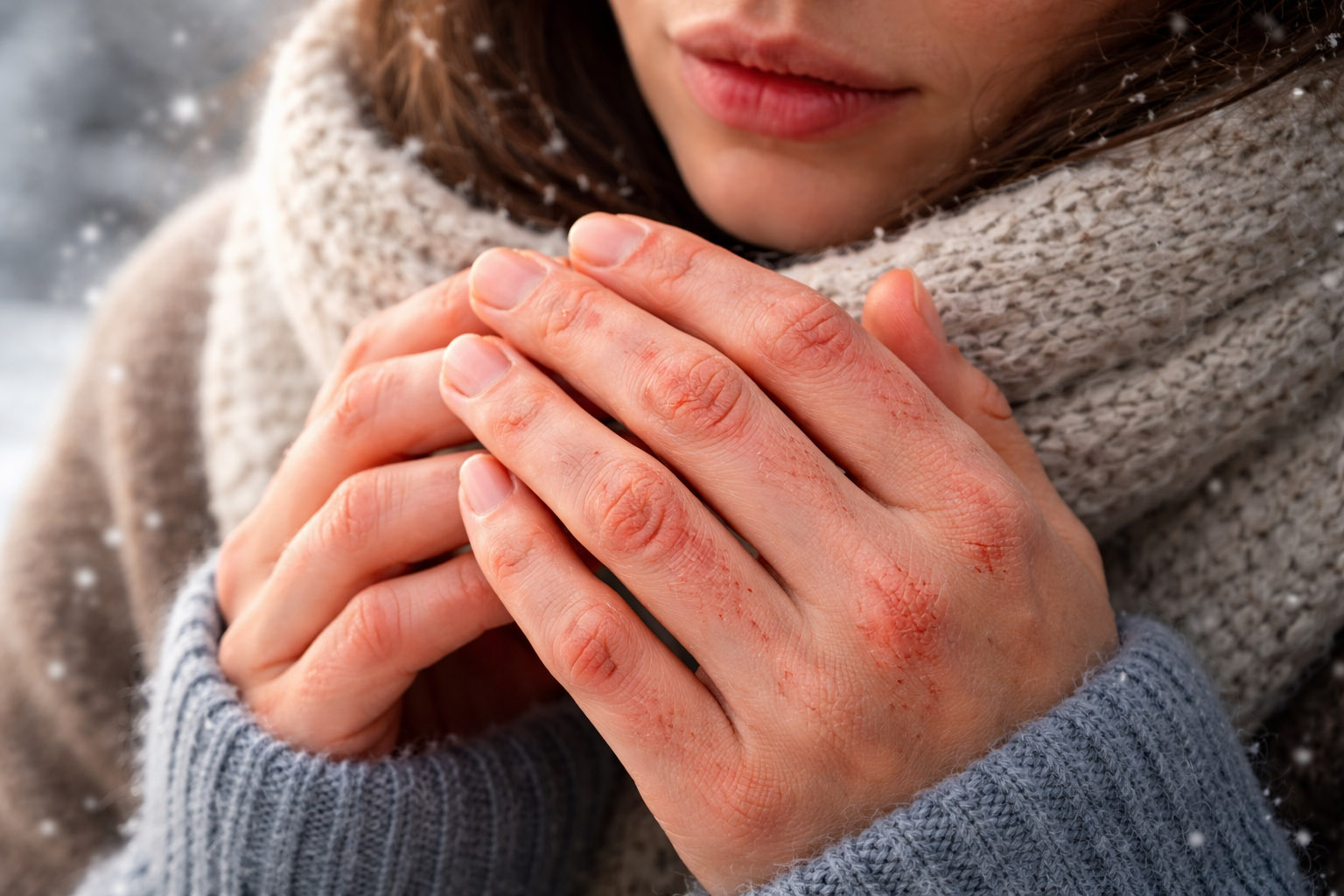
The hands, on the other hand, are exposed to environmental stressors throughout the day. From cold outdoor air to hot indoor environments and repeated washing or sanitizing, the skin on the hands is constantly being disrupted. Over time, this leads to rough texture, redness, peeling, and in more severe cases, painful cracking.
Effective Treatments That Work
The good news is that chapped lips and cracked hands are highly treatable with the right approach. The focus should always be on restoring the skin barrier and locking in moisture.

For Lips:
Look for occlusive ingredients that create a protective seal over the skin. Products containing petrolatum are particularly effective, as they help prevent moisture loss and allow the lips to heal. Lanolin is another excellent option, known for its ability to deeply condition and soften dry skin.
Avoid lip products with strong fragrances, menthol, or camphor, as these can be irritating and may worsen dryness. Instead, opt for simple, fragrance-free balms and apply them regularly throughout the day, especially before going outdoors and before bed.
For Hands:
Use a thick, fragrance-free hand cream that contains a combination of:
- Humectants (like glycerin) to draw moisture into the skin
- Emollients (like shea butter) to smooth and soften
- Occlusives (like petrolatum) to lock in hydration
Apply hand cream immediately after washing your hands, while the skin is still slightly damp. This helps trap moisture more effectively. At night, consider applying a generous layer of cream and wearing cotton gloves to allow for deeper repair while you sleep.
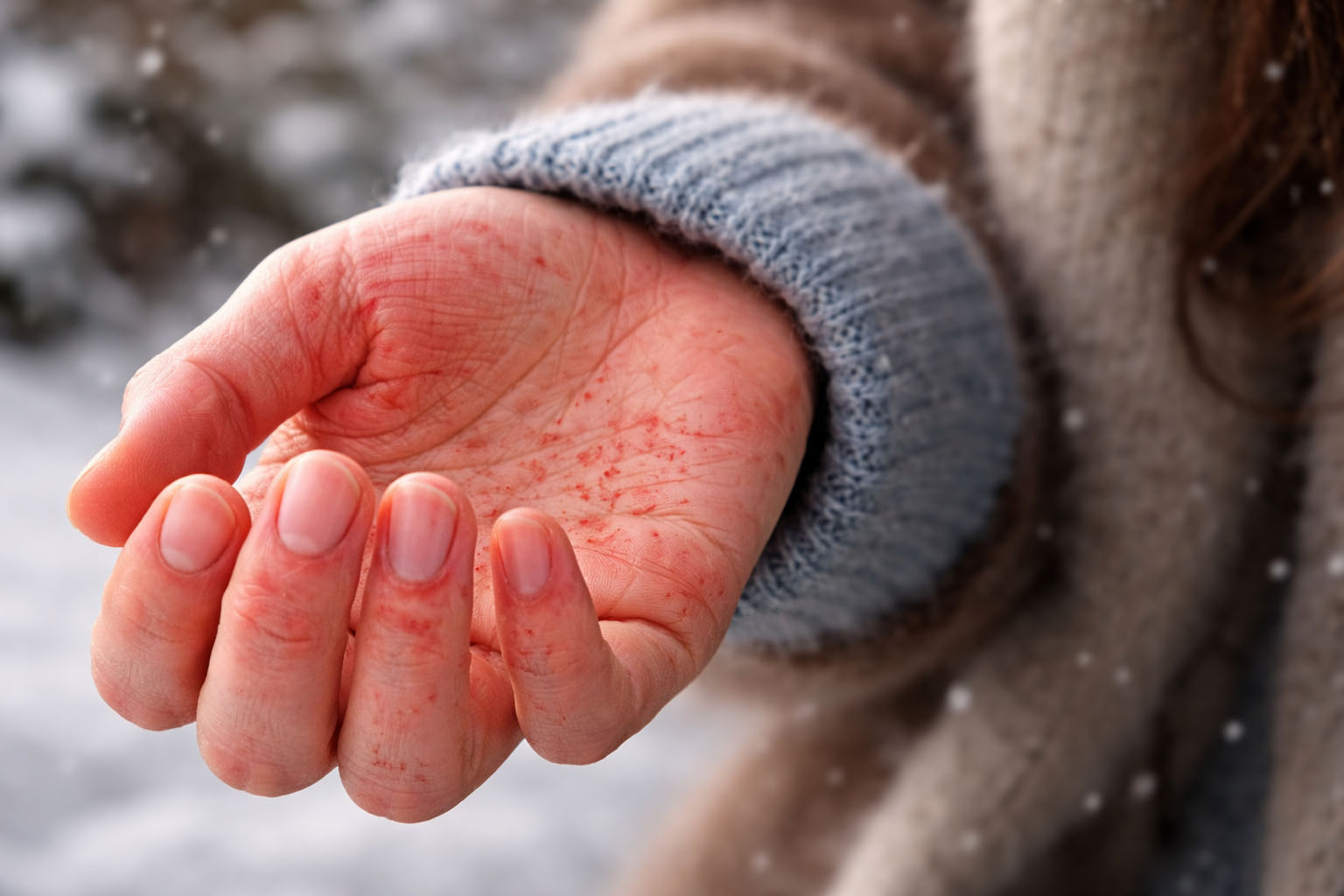
In more severe cases, where cracks are deep or painful, a short course of a medicated barrier repair cream or a mild topical treatment prescribed by a physician may be necessary.
Protective Habits That Make a Difference
Consistency is key when it comes to managing winter dryness. Small daily habits can significantly reduce discomfort and prevent worsening of symptoms.
- Wear gloves outdoors: This protects your hands from cold air and wind exposure.
- Use a humidifier indoors: Adding moisture to the air can help prevent excessive skin dryness.
- Avoid very hot water: While tempting in winter, hot water strips the skin of natural oils. Stick to lukewarm temperatures when washing your hands.
- Stay hydrated: While external care is crucial, internal hydration also plays a role in maintaining healthy skin.
When to Seek Medical Advice
While most cases of chapped lips and cracked hands can be managed at home, it’s important to recognize when professional care may be needed. If you notice:
- Persistent cracking that does not heal
- Bleeding or signs of infection
- Severe redness, swelling, or pain
…it may be time to consult a dermatologist.
Conditions like eczema or contact dermatitis can sometimes mimic or worsen simple dryness and require targeted treatment.