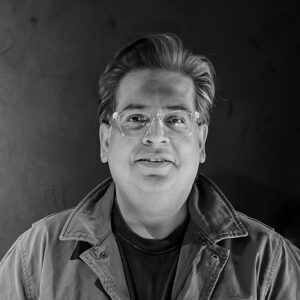
A powerful emerging artist transforming vulnerability into strength.
In a city celebrated for its diversity, ambition, and creative pulse, Toronto continues to produce artists with stories as layered as the music they create. Among the newest voices making an impression is HXNA, the artistic identity of Toronto-born singer-songwriter Hannah Shojaat. Bold, emotionally transparent, and refreshingly unfiltered, HXNArepresents a new generation of artists who are less interested in fitting into a single lane and more focused on creating work that feels honest, fearless, and deeply human.
Raised in a multicultural household with Russian and Iranian roots, Shojaat brings a rare perspective to her music, blending language, lived experience, and emotional depth into a sound that resists easy labels. Whether exploring vulnerability, confidence, heartbreak, or healing, her songs are rooted in connection rather than perfection. Though still early in her public journey as an artist, HXNA has already begun building momentum through raw storytelling and a willingness to turn personal struggles into something listeners can feel.
In this exclusive conversation with TorontoPages Magazine, Hannah opens up about identity, family, mental health, creative growth, and the defining moments that pushed her into music. Honest, witty, and self-aware, she introduces herself exactly as she is, and that may be her greatest strength.

For readers just discovering you, who is Hannah Shojaat beyond the name HXNA?
Hannah Shojaat is a lot of things on paper, but who I actually am is probably one of the weirdest, yet most fascinating, individuals you may come across. I don’t really hide parts of myself. I’m pretty unfiltered, quite unhinged in a way people either love or don’t understand, but they’ll still nod and smile politely.
I’m charismatic, I’m funny, and I have thousands of hobbies that have hobbies. I am ambitious, driven, and highly skilled. If I had to put all my skills on a resumé, I’d likely run out of ink. My strongest skill is definitely mental instability.
From the outside, I look like someone who has it together. I have a real estate broker’s licence, a university degree, a college diploma, I run two construction businesses, and I almost have a social life. But the truth is, I don’t have it together. Not even close. And I’ve made peace with that.
I have good days, and I have difficult ones. I feel things deeply, sometimes too deeply. I’m empathetic, I care a lot, and I’m still learning how to regulate all of that.
Music is the first thing in 29, almost 30 years that has ever made sense. Not listening to it, but making it. I began this journey less than six months ago, and it completely shifted my perspective on what I thought my purpose in life was, and what I thought made me happy.
Can you tell us a bit about your upbringing in Toronto and how the city has shaped your identity as an artist?
I was born and raised in Toronto to a Russian mother and an Iranian father, and I actually learned English as my third language. So from the beginning, my life was a mix of cultures.
I was deeply exposed to both sides, and growing up in a city like Toronto, that felt natural. It made me really fluid in how I connect with people. I didn’t feel limited to one identity. I could move between worlds without thinking about it.
That’s a big part of why I create the way I do now. I move easily linguistically, Spanish included (self-taught) in my music because I want to create something unique and different thematically, lyrically everything. I don’t want to be another version of another artist who has earned and established their own legacy. I want to inspire future artists by making a statement so bold in the industry that they want to continue my legacy.
My upbringing was very grounded. My parents came to Canada with nothing and built everything from scratch while raising my brother and me. I watched them work day and night to make sure we had shelter, food, and all the love, support, and care a child could ask for.
I got my first job at 14 at a burger joint. There, I learned to appreciate the value of hard-earned money. If I wanted something, I worked for it. That mindset stayed with me.
Looking back, I’m really grateful for how I was raised, and I hope to pass those same values on to my future children.

When did music first enter your life in a meaningful way?
Music was always in my life, just not in a way anyone could see.
I loved singing, but I was too shy to do it in front of anyone, even my parents. So every time they left the house, I’d lock myself in my room, blast karaoke, and sing like I was performing for a crowd. I’d record myself, then delete it every time.
Around 13, I started learning instruments, guitar, piano, and others. Singing became something I relied on, and also a therapeutic outlet. If I needed to cry, I’d turn to it. If I needed energy, focus, or calm, it was always there.
But it stayed private.
That only changed recently, when I went through a difficult period in my life. A breakup, watching people around me move forward while I felt stuck and that’s what pushed me into the studio for the first time at 4 a.m. on a weekday with no beats or lyrics, just pure desire and desperation to find a studio to accommodate my crazy, impulsive self at that exact moment. And I succeeded. I made my very first song that night or morning and that’s where HXNA was born.
How did your early influences shape your sound?
I’ve never been tied to one genre. I listen to everything.
To me, a good song is a good song. I don’t think in categories, I think in feeling. That’s how I create too.
A lot of my early music came from real emotional experiences, depression, anxiety, things I’ve dealt with for years. When people first heard my music, they told me they could hear the pain in my voice, resonate with it in a special way, or that my music made them emotional.
And honestly, that was a compliment. It meant it translated.
That’s what I care about: connection over perfection.
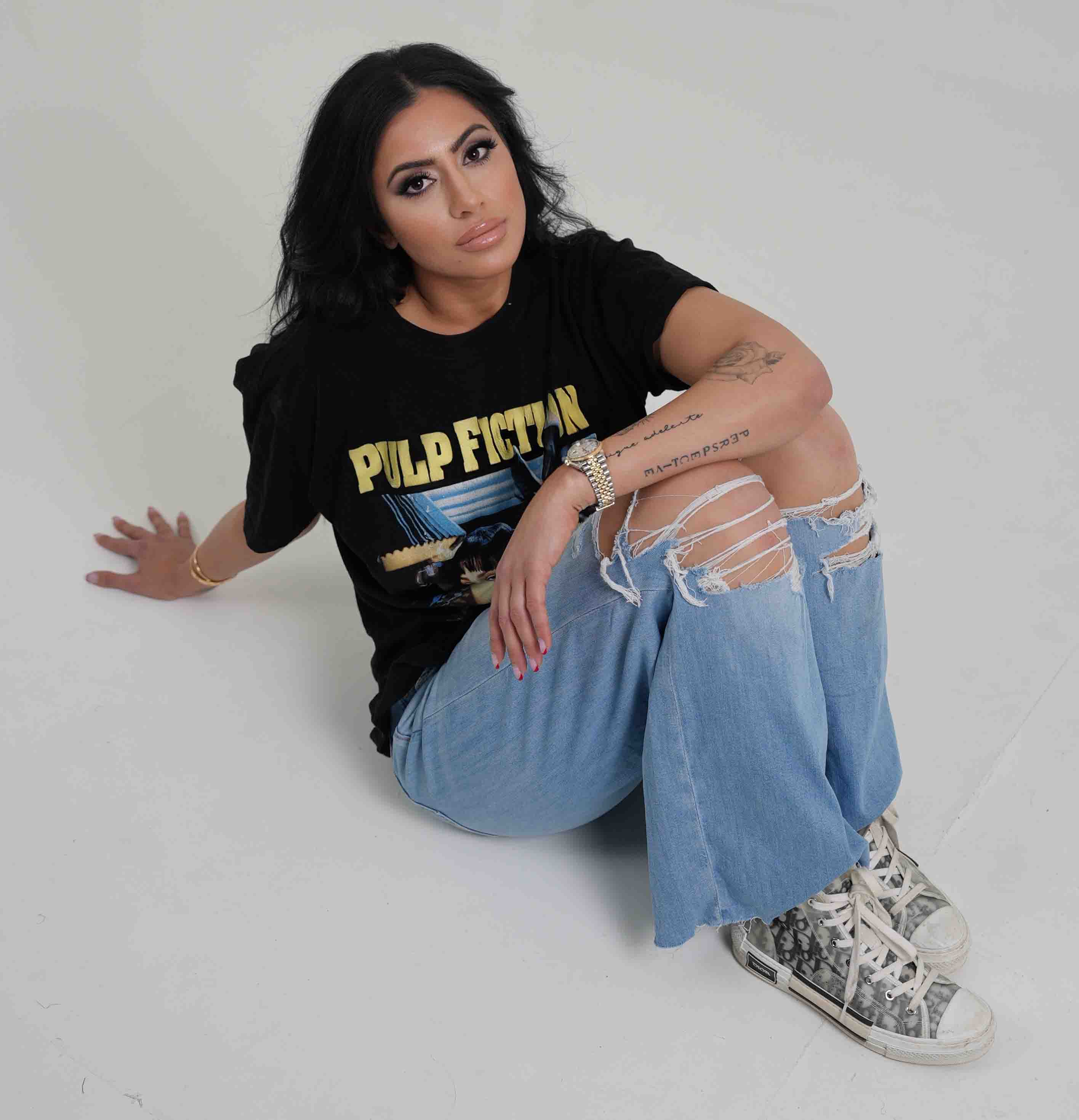
Growing up in a multicultural city like Toronto, how has that influenced your artistry?
It allowed me to express myself through multiple languages and perspectives.
In my music, I use English, Farsi, and Russian. My song 3 Sides of Me reflects that directly. Each language has a different emotional texture, Farsi is more poetic, and Russian has its own tone.
Writing in different languages also brought me closer to my family. I’d ask my grandmother or my uncles for help with phrases, and those moments became part of the music itself.
What role did your family play in your journey?
My parents have always been supportive, even though, as immigrant parents, their mentality is that education and “real” work are the priority. The only thing I ever want to prove them wrong about is showing them music can be real work too.
But they see how music affects me, how it has helped me mentally, and the impact and feedback it’s having on others. And that’s gaining more support day by day.
Now they’re becoming my biggest supporters. They share my music, they’re proud, and that means everything to me.
My grandmother is also amazing. She sends me artists all the time and comes up with the most creative ways I should get discovered. Some of them are a bit unrealistic and hilarious but it’s the thought that counts.
What does the name “HXNA” represent?
Honestly, I just thought it looked cool. It was the winner by default, Hannah Banana or Hannah Montana didn’t quite make the cut.
How would you describe your sound?
I don’t really have one sound.
I love music too much to stay in one lane. My songs can range from emotional and raw to high-energy and fun.
Some songs might make you cry. Some might make you want to dance.
It just depends on which version of me you’re getting that day. Take your pick.
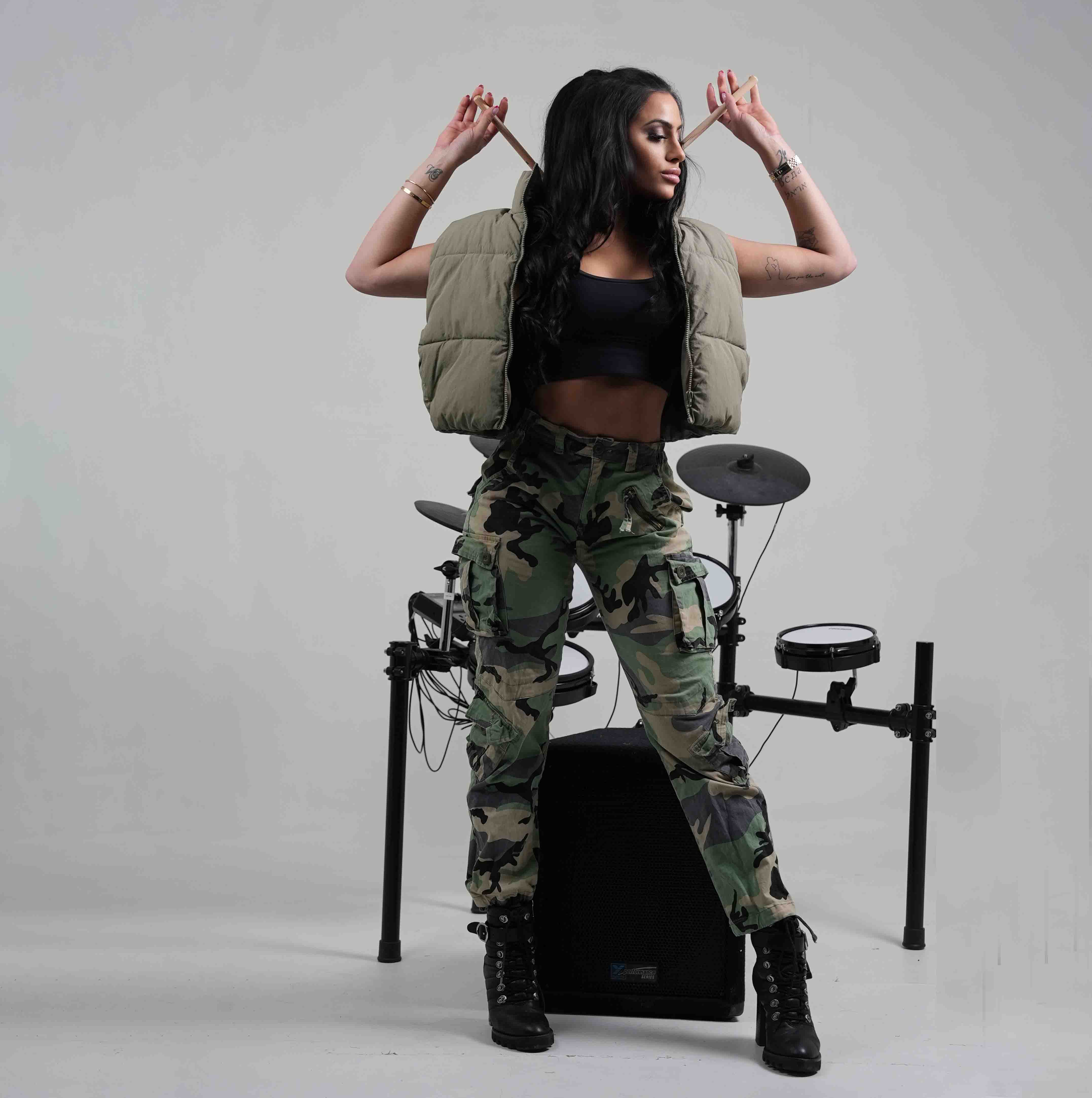
Where does your emotional depth come from?
I feel things very intensely. My ADHD keeps my mind constantly active, which can be both a blessing and a challenge.
Everything I feel gets stored somewhere, and music is where it comes out.
I don’t sugarcoat anything. What I feel is what I say. And the most honest music comes when I don’t force it.
Do you write from personal experience?
Mostly, yes. But I’m also learning to write from other perspectives. It’s a different skill making something feel real even if it isn’t your exact story.
Either way, the emotion always comes from somewhere real.
What does your creative process look like?
It usually starts in my Notes app. Random lines, ideas, phrases. Then I find a beat, go back, and build from those pieces.
Most of the magic happens in the studio. That’s where ideas come together.
Recording is my favourite part. I’m still learning my voice, so every session feels like discovering something new. It’s chaotic and deafening for whoever is on the receiving end, haha, but that’s where the best moments come from.
Do you prefer creating alone or collaborating?
Both. I like starting alone, but collaboration helps me grow. I’m very open to feedback, I actually prefer people being honest with me.
At this stage, listening is more important than trying to prove I know everything.
How has your sound evolved?
I’ve improved a lot, vocally and creatively. I’ve recorded over 100 songs, and you can hear the progress in real time. It’s less about changing my sound and more about refining it.
What have been the biggest challenges so far?
Self-doubt. I still get in my head, and I still have moments where I question everything. But I’m learning to trust my voice and stop comparing myself to others.
The less I overthink, the better it comes out.
What has been a defining moment for you?
Meeting a woman at Walmart on Christmas Eve. I simply offered my assistance, as she seemed stressed and frantic right before closing time while choosing a gift for her son. We chatted, and I showed her my first release. We exchanged contact information, and she later shocked me with a heart-wrenching story and beautiful message about how my music made her feel, one that I read every time I feel slightly uninspired.
She later told me my song helped her feel connected to her late grandmother and brought her peace on a difficult day.
We still stay in touch. She shares my music with her students.
That’s when I realized this is bigger than just music. Through doing something that heals me, I can heal others. That’s the most fulfilling feeling I cannot put into words. That feeling is priceless. I would choose that feeling again and again, it’s worth more than any amount of money. That’s my real purpose in music: to make people feel and heal.
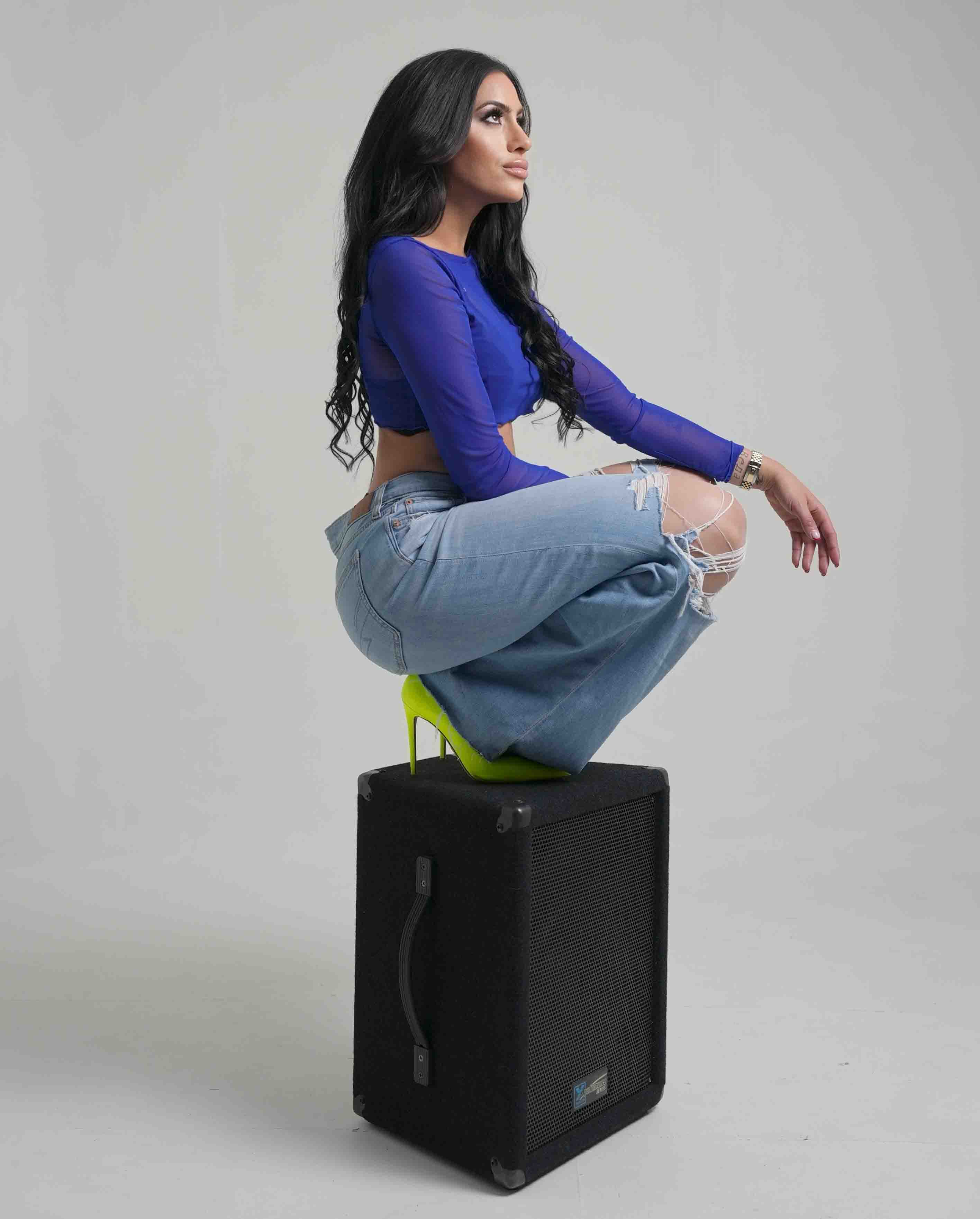
What does success mean to you?
Connection. Making people feel something, feel understood, feel heard, feel less alone.
That matters more than anything else.
What do you hope listeners take away?
Something they didn’t know they needed until it found them.
Is your music a reflection or an escape?
It started as an escape, but now it’s a reflection.
Everything I’ve been through shaped me, and music is how I express that.
What do you want people to remember about HXNA?
That they didn’t forget.
Your message for TorontoPages Magazine.
Thank you for taking the time to listen. That alone means more than people realize.