Blending Colour, Emotion, and Freedom
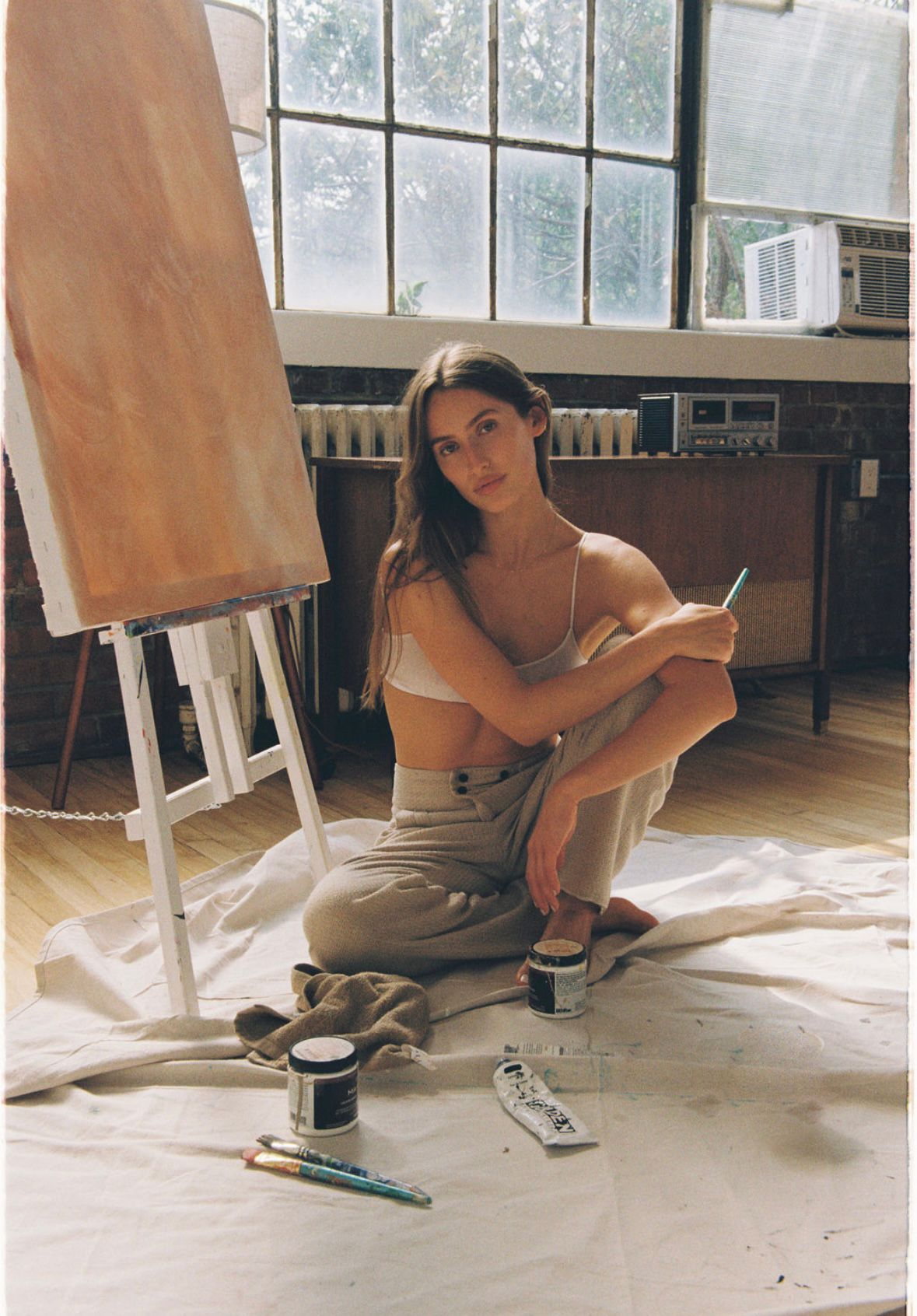
Toronto-based artist Julia Brevetti has carved out a unique space in the art world with her vibrant, emotionally charged acrylic pieces. Originally drawn to the arts from a young age, Julia’s journey began with painting Marvel characters for fun, eventually evolving into a full-time career driven by a desire for creative freedom.
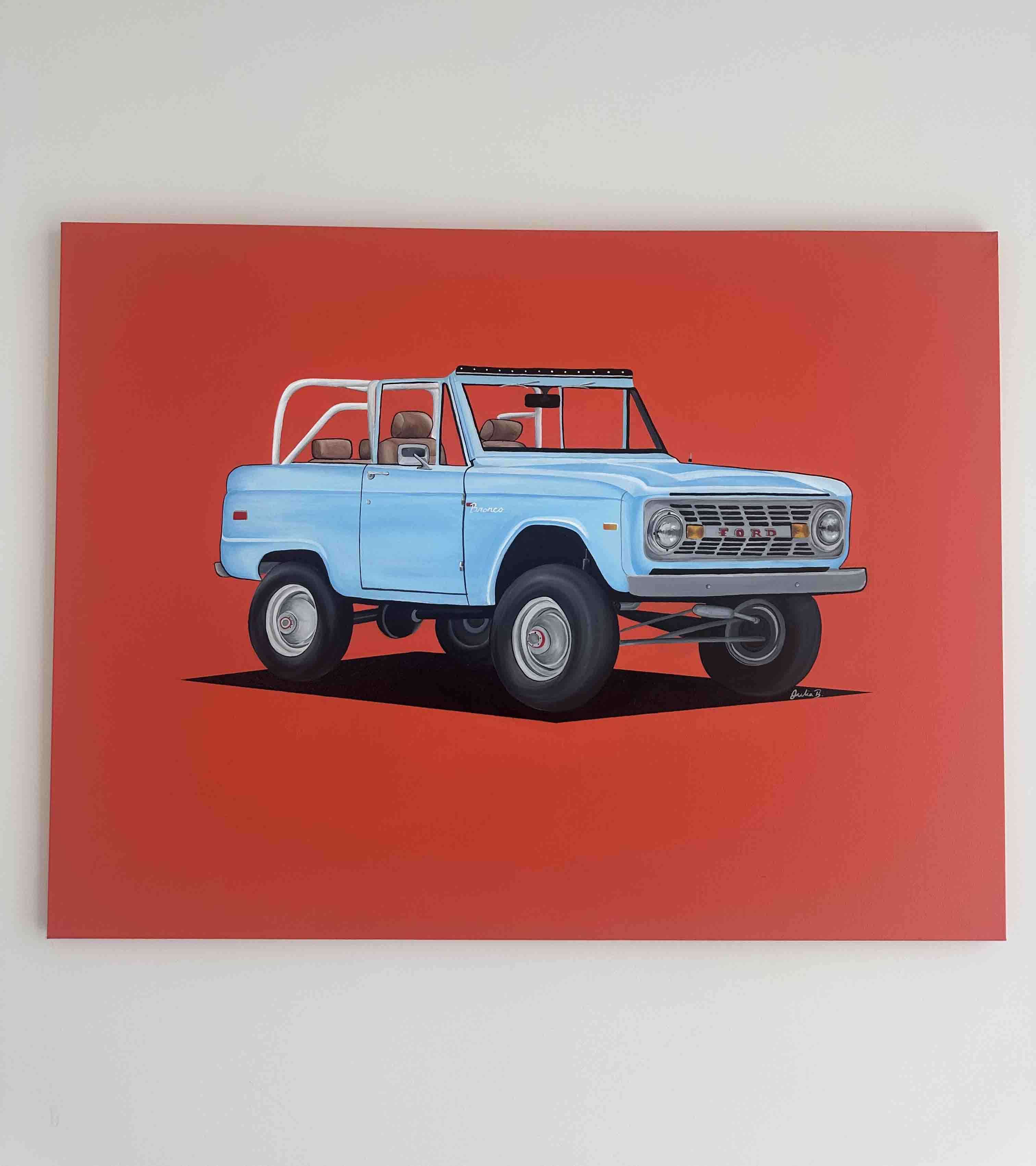
“I was never great at science or math. Art was always where I felt most at home,” she shares. Julia’s vintage car series, influenced by her time in California, beautifully merges realism with pop art through minimalist, colour-blocked backgrounds.
Using Procreate to develop her concepts, Julia embraces both structure and spontaneity in her process. She finds joy in creating pieces that spark emotion, even if the meaning isn’t always complex. “Art can just be fun, it doesn’t have to be profound,” she explains.
Julia’s growing presence on Instagram and TikTok has been instrumental in connecting her work with audiences worldwide.
Can you tell us about how you first got into art and what inspired you to pursue it seriously?
I was never the strongest student in subjects like math or science. I always gravitated toward the creative side of things, like drama and visual arts. Whenever I had downtime, I’d find myself painting Marvel characters like Spider-Man and started casually sharing them on Instagram. People began reaching out to buy them, but for a long time, it remained more of a side hobby. As I traveled more, I realized I wanted a career that allowed me more freedom. That’s when I made the decision to put real time and energy into becoming a full-time artist.
How did your experience at TMU, where you earned your Bachelor of Arts, shape your artistic path?
To be honest, it didn’t have a direct impact on my development as an artist. I went to university mainly because it seemed like the natural next step after high school. I enjoyed learning in general, but I never found a subject I was truly passionate about, nor did I feel creatively fulfilled by my studies.
What drew you to working primarily with acrylic on canvas, and how does it support your creative process?
I went with acrylics because they’re simple and practical to use. They dry quickly, unlike oils, which can be a bit trickier and more time-consuming. I do hope to explore oil paints in the future, but for now, acrylics really complement my workflow and artistic style.
Your vintage car collection blends realism with a pop art aesthetic. What inspired you to combine these styles?
I’ve always had a love for vintage cars, and spending time in California where the classic car scene is huge really deepened that interest. I was never particularly good at painting landscapes, so when I first painted a vintage Bentley I’d seen while traveling, I wasn’t sure what to do with the background. I picked a random color and added a shadow, and that minimal pop-art backdrop ended up becoming the signature style of my car series.
How do you choose the subjects you bring to life on canvas?
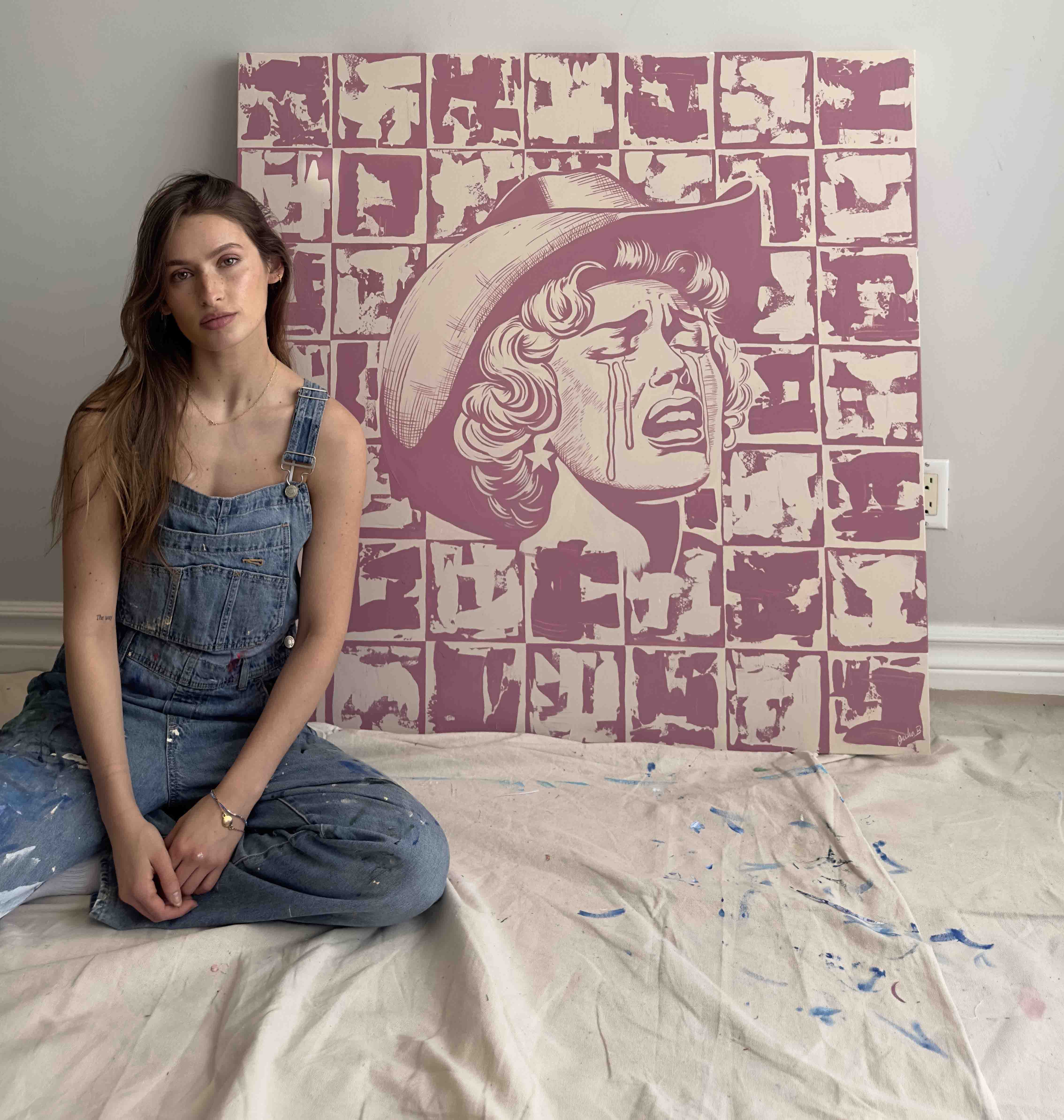
It’s usually pretty spontaneous. Unless I’m working on a commission with specific guidelines, I create based on what grabs my attention in the moment. A lot of the time, I’ll jot down random ideas in my phone’s Notes app and eventually circle back to bring them to life.
Can you walk us through how you develop a piece from initial concept to final painting?
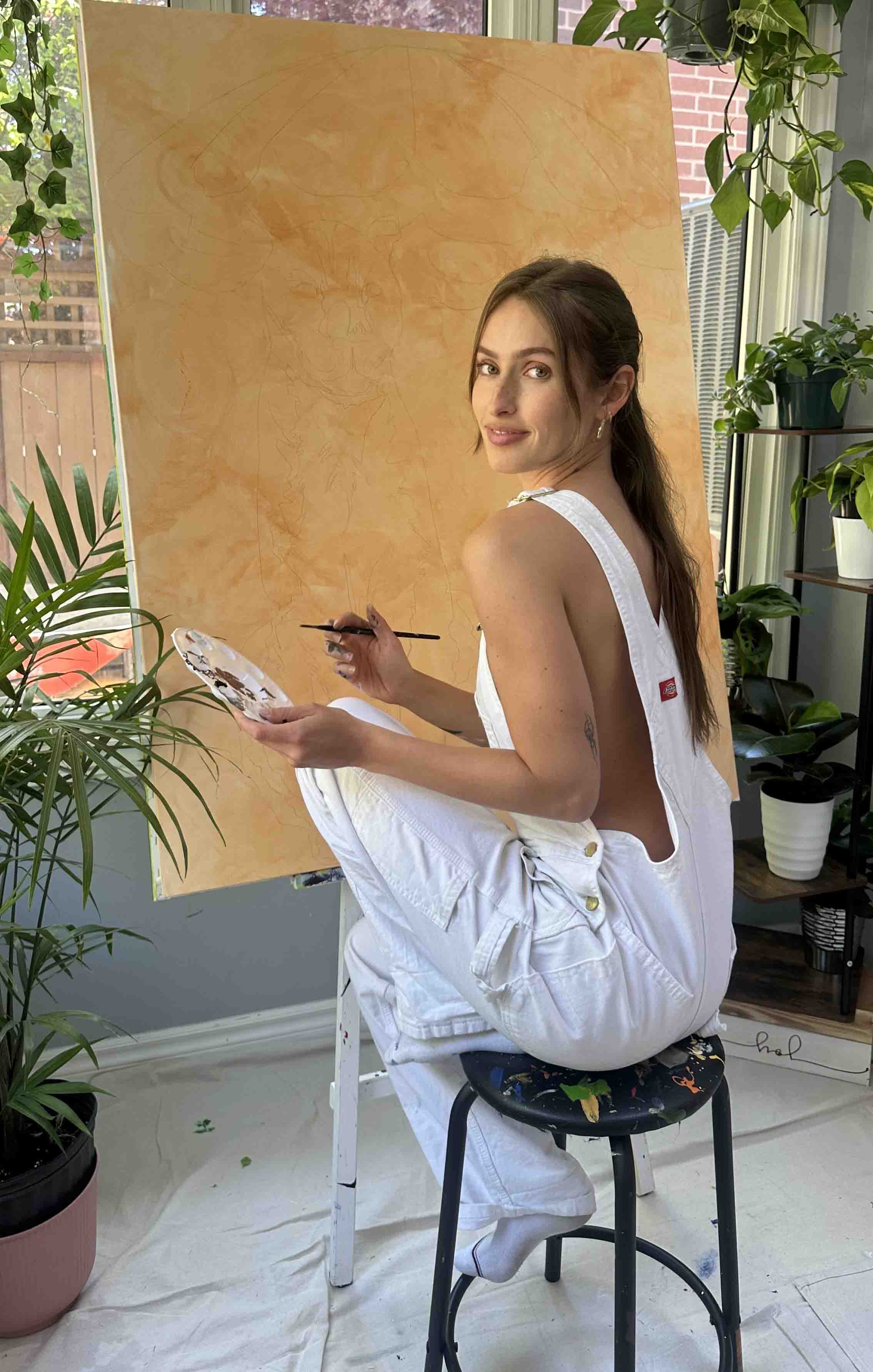
It’s definitely an evolving process with plenty of trial and error. I used to go straight to the canvas, but I ended up wasting a lot of materials that way. Now, I start by sketching out my ideas in Procreate on my iPad. This helps me experiment with multiple concepts, narrow them down, and refine them before I commit to painting the final version on canvas. It’s been a huge time and cost saver.
What’s the biggest challenge you face when moving between realism, abstract, and pop art?
Shifting from the detailed blending in realism to the clean, bold color blocking in pop art can be tricky. I tend to go through creative phases, sometimes I’ll focus heavily on realism until I start to feel burnt out, and then I switch to pop art because it feels lighter and more refreshing. Abstract is probably the most challenging for me since I’m more comfortable working with a clear reference or structure rather than painting purely from imagination. Still, I’d love to push myself more in that direction.
Your work often sparks genuine emotional reactions. How do you create that emotional pull?
That’s a tough one to explain. I just make what I genuinely love and hope it resonates with people. Whether someone loves or dislikes a piece, the most important thing to me is that it makes them feel something.
How important is color selection in your paintings, and how do you approach it?
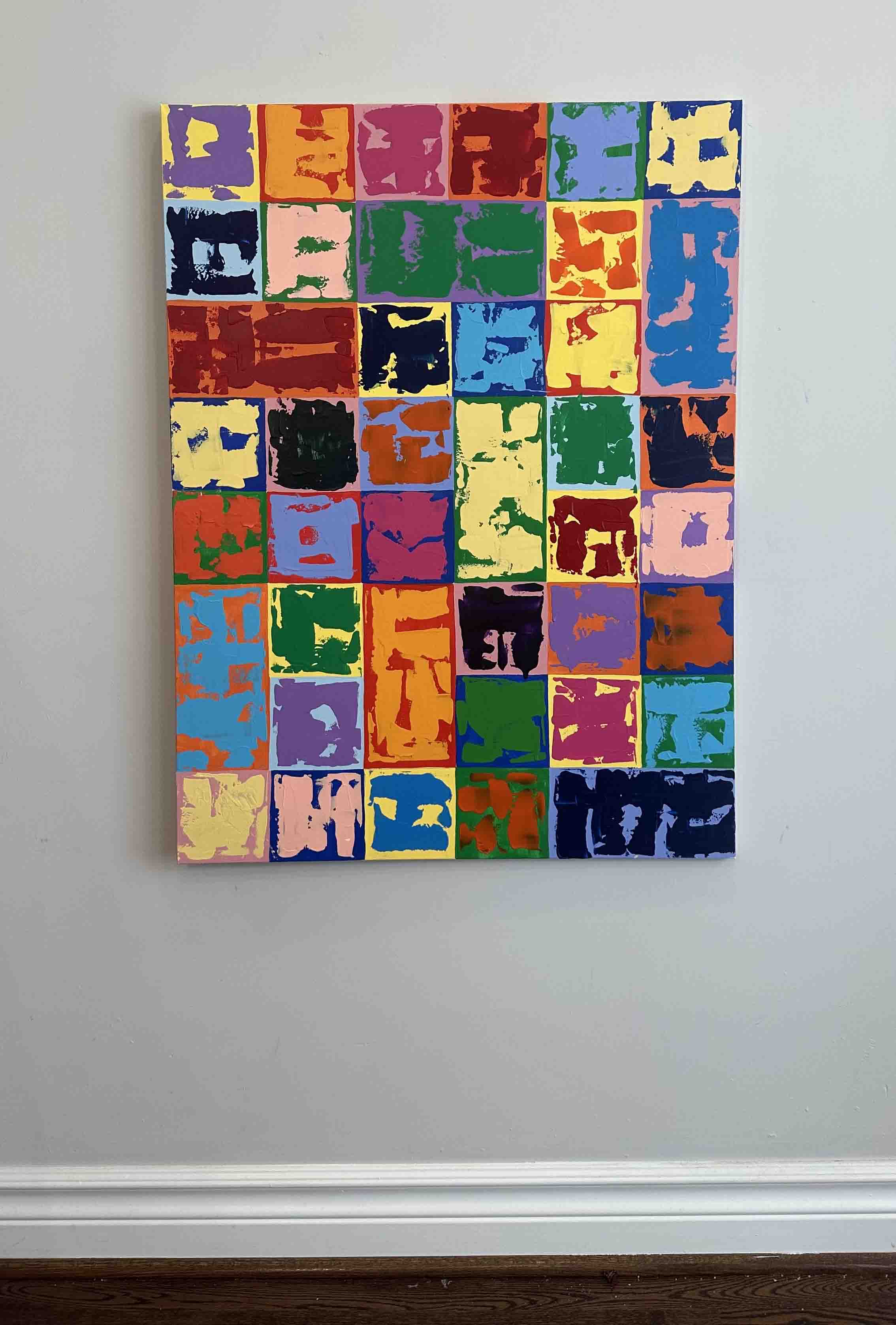
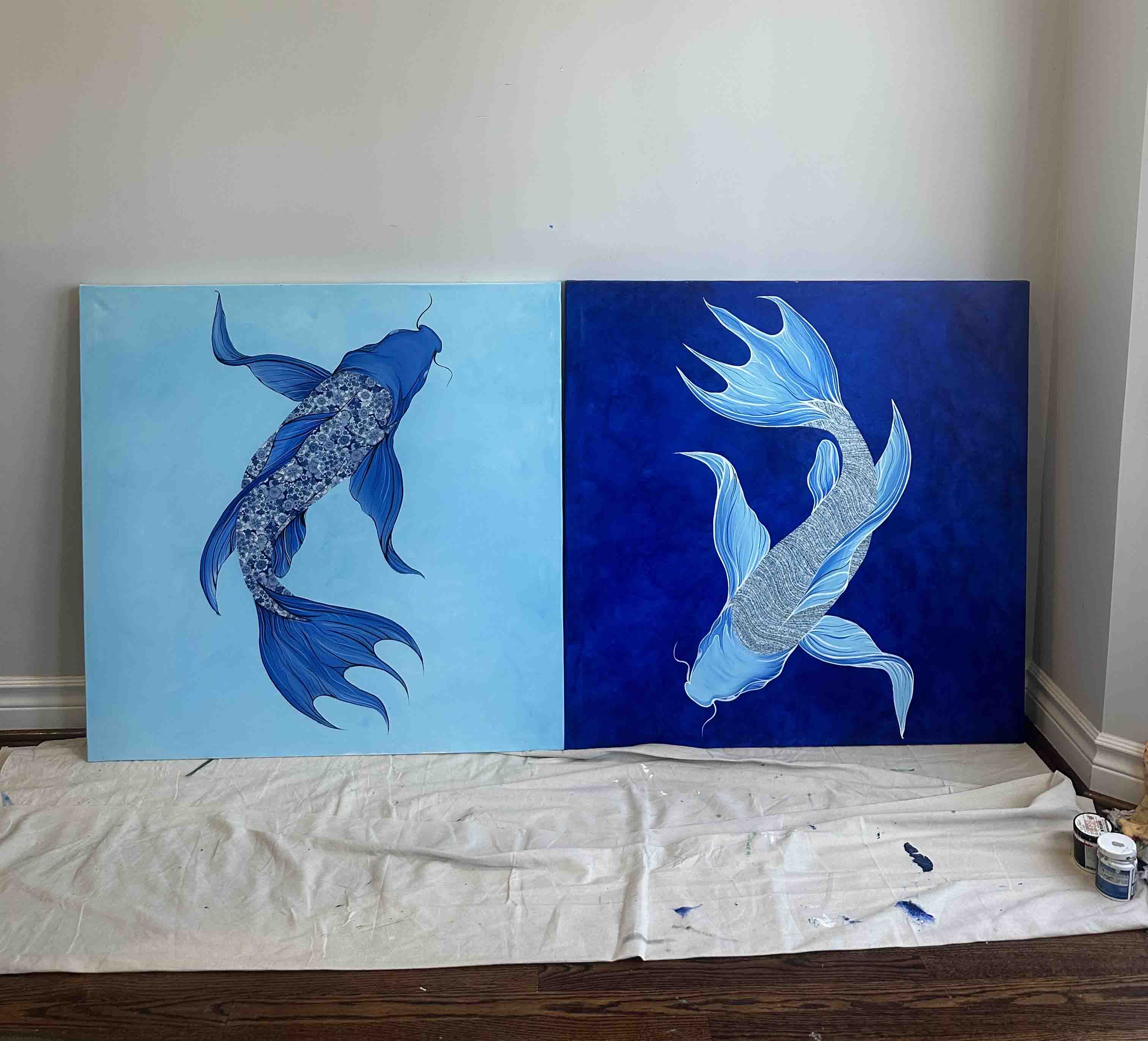
Color is a huge part of setting the tone for my work. My choices usually come down to what complements the subject best. When I paint skulls, I tend to go for strong, primary colors. For my abstract square series, I carefully curate color combinations that work harmoniously together. The palette can really transform the mood of a piece.
Your vintage car series carries a strong sense of nostalgia. What does that element mean to you?
It’s all about honoring the past. With the rise of electric cars, we’ve lost that classic, irreplaceable vibe that vintage cars bring. I’m naturally drawn to nostalgia. I love the aesthetic of the ‘80s, the music, the style, and cruising around in old-school cars. That energy is what drives this collection.
How do you tailor commissioned pieces to meet a client’s vision while staying true to your style?
I always start by getting a detailed reference photo or a thorough description of what the client is envisioning. Sometimes, if it’s something outside my skill set like landscapes. I’ll be upfront and turn it down. Once we’re aligned on things like canvas size, color preferences, and any specific requests, I keep the client updated throughout the process to make sure we’re on the same page.
What’s been the most significant commission you’ve worked on so far?
I recently completed five custom pieces for a new restaurant in Toronto. It was by far the biggest and most demanding project I’ve tackled. It really pushed me beyond my comfort zone, but seeing it all come together was an incredibly fulfilling experience.
How do you balance creative freedom with client expectations when working on commissions?
I’ve been fortunate to work with clients who already appreciate my style, especially when it comes to the vintage car series. I actually found it more challenging when a client gave me complete creative freedom without any direction. I had no idea what they were hoping for! But thankfully, they ended up loving the final piece, so it worked out.
What’s your approach to exhibiting your work in galleries?
The galleries I currently work with all reached out to me directly. I’ve had others contact me, but some wanted me to pay to display my art, which didn’t sit right with me. The galleries I collaborate with now work on commission, which is the model I prefer. Having a gallery represent my work feels like a real milestone and definitely helps take some of the pressure off managing everything myself.
How have social media platforms like Instagram and TikTok impacted your career?
Social media has been absolutely essential to my growth as an artist. Without TikTok and Instagram, I don’t think I would have been able to make this my full-time career. Staying active on both platforms has helped more people discover my work and has led to commissions I might not have received otherwise. It really does feel like running a second job, but it’s been a huge part of my success.
What would you say to emerging artists trying to build their online presence?
The biggest thing is consistency. I spent a year posting without much happening, and then one random video went viral and completely changed everything. You just have to keep showing up.
How do you handle creative blocks or tough periods where inspiration feels out of reach?
I usually try to push through, but if I hit a really tough block, I’ll step away for a few days to recharge. It’s all about finding that balance knowing when to rest and when to keep the door open for new inspiration to find you.
What’s been the most fulfilling part of your artistic journey so far?
There’s something really special about knowing that my art lives in people’s homes. I struggle with imposter syndrome sometimes it still blows my mind that people actually buy my work. When they send me photos of themselves with a painting or show it hanging in their space, it’s hard to put into words how much that means to me.
Are there any new techniques or mediums you’re excited to explore?
I’ve been wanting to experiment more with oil painting and mixed media. Recently, I’ve started playing around with Mod Podge and Japanese paper in some of my pieces, and it’s been really exciting to dive into that.
Can you share a memorable interaction you’ve had with a collector or fan?
Some of the most meaningful moments come from people I’ve connected with online. There are a few supporters who comment on every video I post. That kind of consistent encouragement really sticks with me.
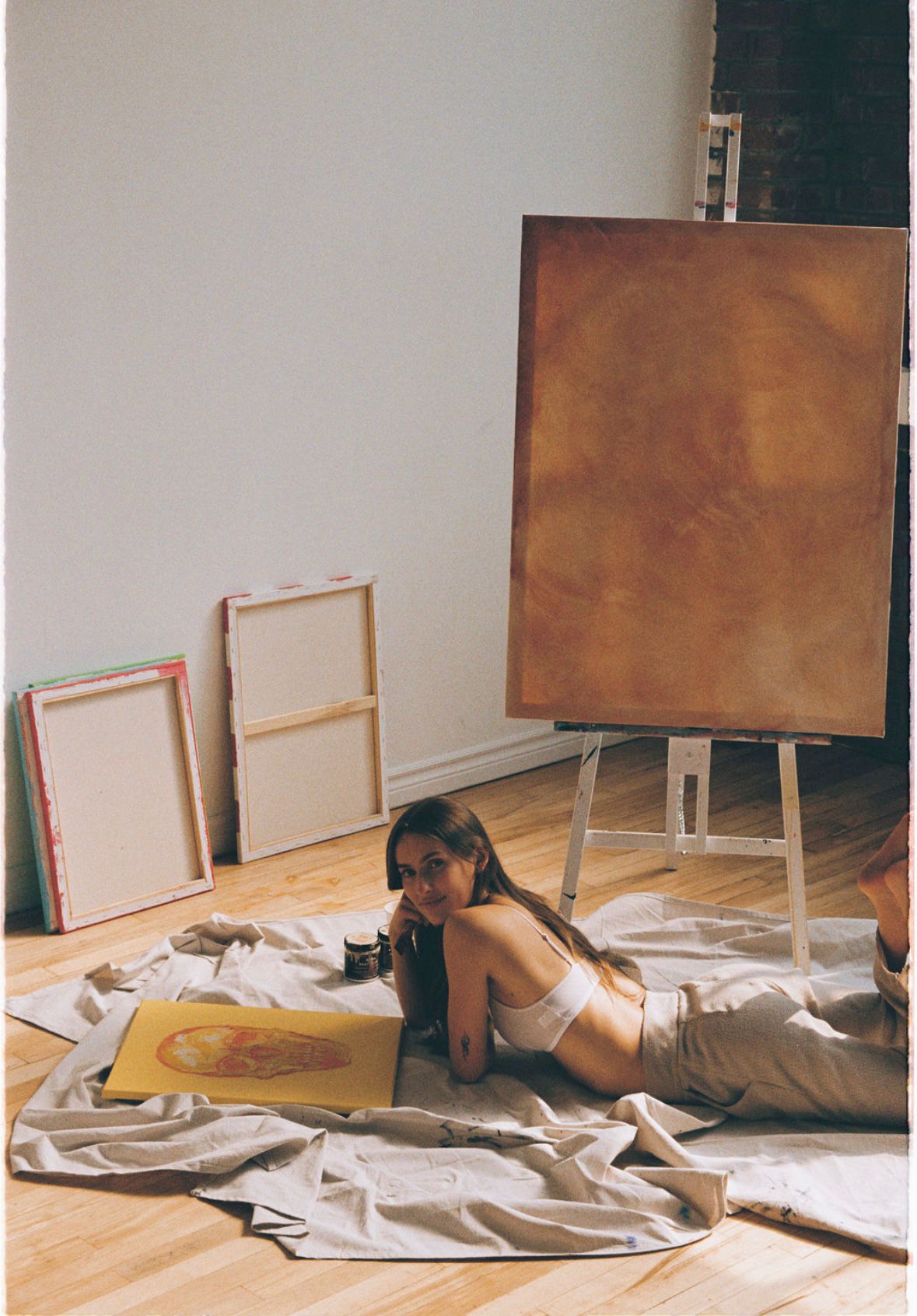
What’s the main feeling or message you hope people take from your art?
I want people to know that art can simply be fun. It doesn’t always need to carry a deep or complicated message. Sometimes people comment saying, “This isn’t real art, what’s the meaning?” and I get where they’re coming from, but I don’t think every piece has to be profound. I want people to enjoy the work for what it is, but I also love hearing how others interpret it in their own way.
Any final words for our readers at TorontoPages?
Thank you so much for taking the time to learn about my story and my work! I really enjoyed reflecting on these questions. I appreciate the opportunity.
Instagram: @brevetti_art
Website: juliabrevetti.com