Turns Heartbreak Into High-Voltage Pop-Punk
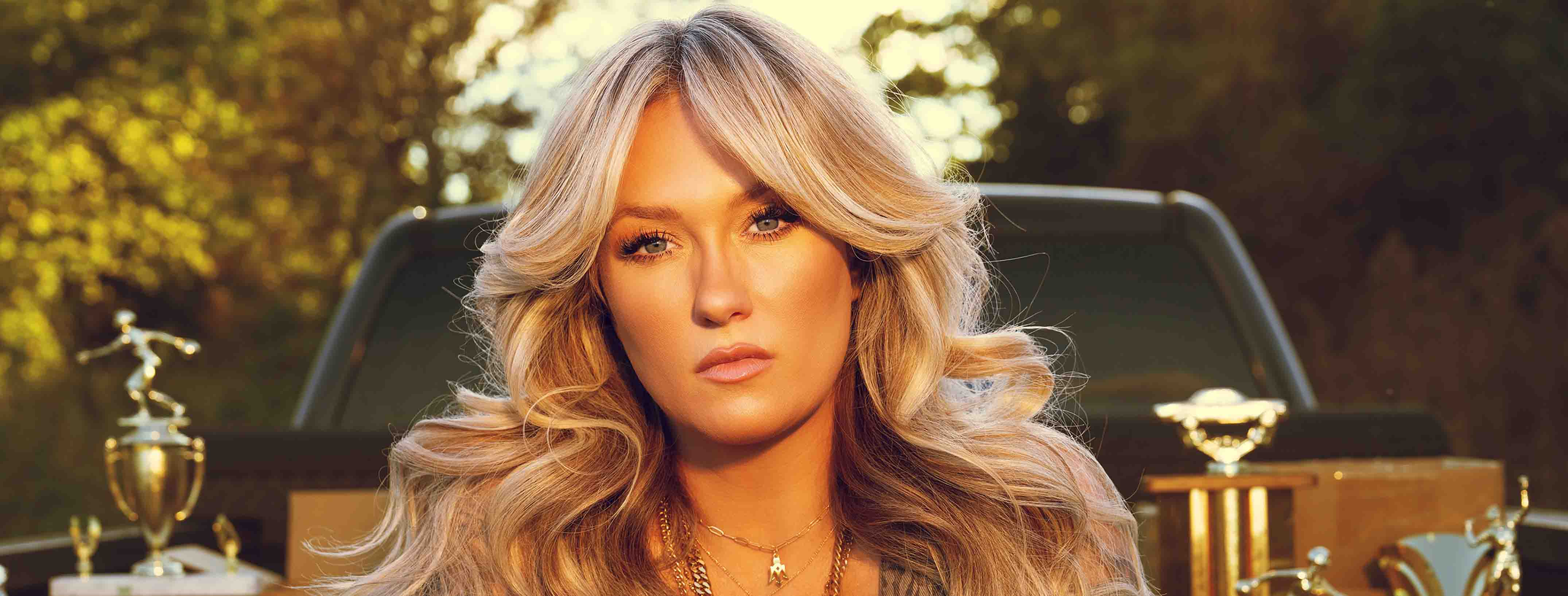
From stealing scenes on NBC’s Superstore to shining in ABC’s Not Dead Yet, award-winning actress and comedian Lauren Ash has long been a familiar face on our screens. Now, she’s stepping into a new spotlight, one fuelled not by punchlines, but by power chords and raw emotion. With the release of her debut album Call Me When You Get This, out September 11, Ash proves she’s not just a multi-talented performer but a fearless artist ready to bare her soul.
Crafted alongside producers Aaron Verdonk (Stereos) and Jesse Colburn (Avril Lavigne), the record is a high-voltage pop-punk journey through heartbreak, resilience, and catharsis. Listeners who first connected with Ash’s humour will discover a new side of her: tender-hearted yet unapologetically bold, channeling grief into songs that pulse with both vulnerability and grit.
We caught up with Lauren to talk about her creative process, the transition from comedy to music, and the personal stories behind the tracks. What follows is a candid conversation with an artist who refuses to be defined by just one stage.
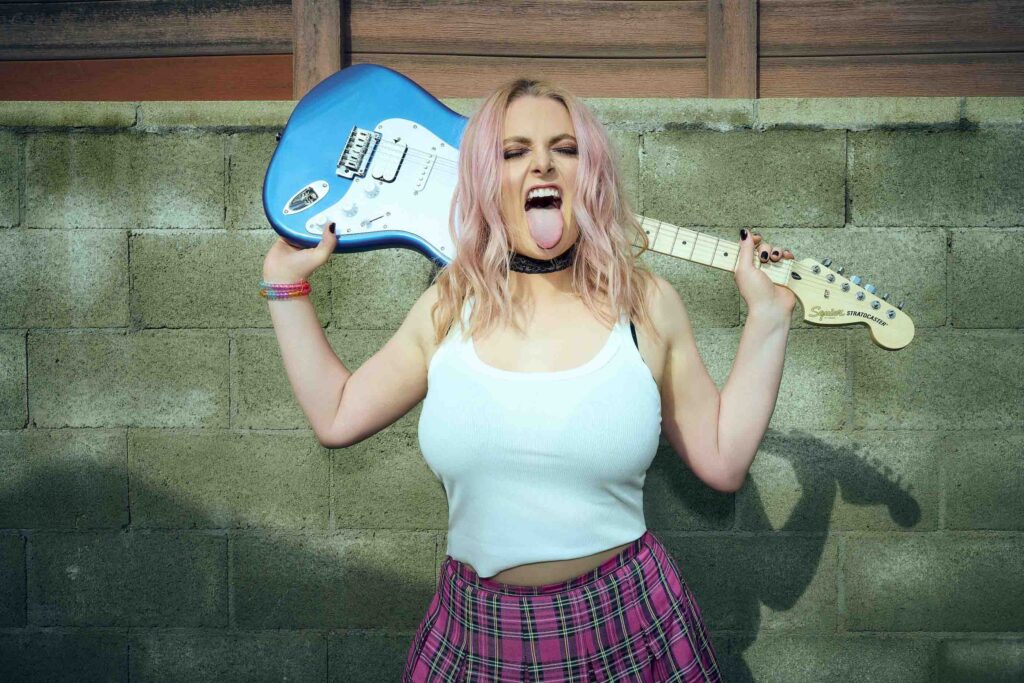
Lauren, many people know you as Dina from Superstore and Lexi from Not Dead Yet. How would you describe yourself to someone who’s never met you?
I would describe myself as nothing like either one of those characters. Lol. It usually surprises people to find out that I’m actually an introvert. Sure, I can turn on the extroversion when I have to for work events, etc., but in terms of who I am outside of work? I would say I’m a homebody who loves throwing the odd party with friends. I am very sensitive. “Tender-hearted” would be a good descriptor. I have always felt like I feel things more deeply than others, which is both a gift and a curse. On one hand, it makes me a great actor and artist. On the other, it can make emotional situations difficult to navigate. The one thing I will say that I have in common with Dina is that I’m also intensely loyal. That’s basically where the commonalities end.
When did music first become a serious passion for you, beyond acting?
Music has always been a huge part of my life. When I was a teenager, it was my dream to be a rock star much more so than it was to be an actor. I eventually pursued acting and comedy, but music was still a big part of what I did. I was hired at The Second City in Toronto and was always the cast member who had a song in each show we wrote. I was always the girl with the guitar. Even when we were shooting Superstore, I would come home and write songs at the end of a long workday. I’ve always done that. In 2023, I finally decided it was time to start sharing my music with the world.
You’ve described Call Me When You Get This as a concept album. What’s the central story or emotional journey behind it?
I wrote this album as I was going through an especially difficult breakup. It wasn’t that I set out to write a breakup album, it’s just kind of what happened. I feel like I needed this project to help me process the grief I was experiencing. I had never gone through this kind of acute, profound heartbreak before. It really turned me upside down. The record follows me through five of the stages of grief and how I experienced them in real time.
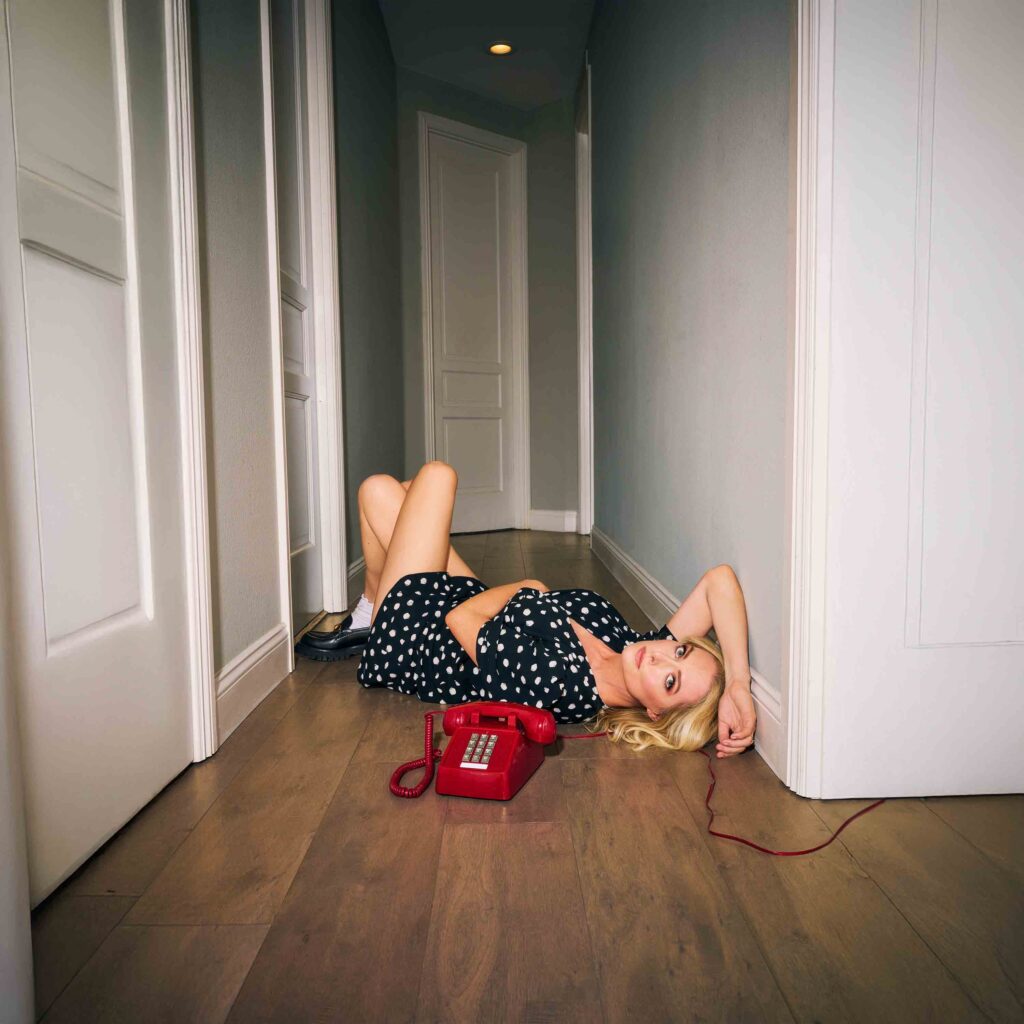
In terms of the actual structure of the record, I kept a sort of video diary throughout the breakup, and I wanted to implement some of the audio from those clips into the album to give more insight into the state of mind I was in during recording. I felt like I wanted to provide more emotional context for what I was going through at the time. With the last clip, Outro (ACCEPTANCE?), I wanted the listener to realise that this whole album had just been one long voicemail I left for my ex. I would never do that in real life, so I figured, hey, why not just say everything I would want to say on this record and then pretend like I left it as a 23-minute-long voicemail for him?
How did working with Aaron Verdonk and Jesse Colburn shape the sound and vision of this record?
Aaron and Jesse are incredibly talented songwriters and producers. They got my musical vibe right away. The first song we wrote together was Dumpster Fire. I think we all immediately thought, “Oh wow, maybe we’re onto something here.” But what’s great about them is that they didn’t just want to keep cranking out more songs that sounded the same.
The difference between songs like Diet Coke and Lexapro and The Day I Got Over You is quite large while still feeling cohesive. I love that both of those songs live on the same album because that’s real life. Sometimes I feel like I’m in this dreamy place of medicated pain (Diet Coke and Lexapro), and other times I feel big and brash (The Day I Got Over You). I think they helped musically capture every stage of grief I was experiencing as I was experiencing it.
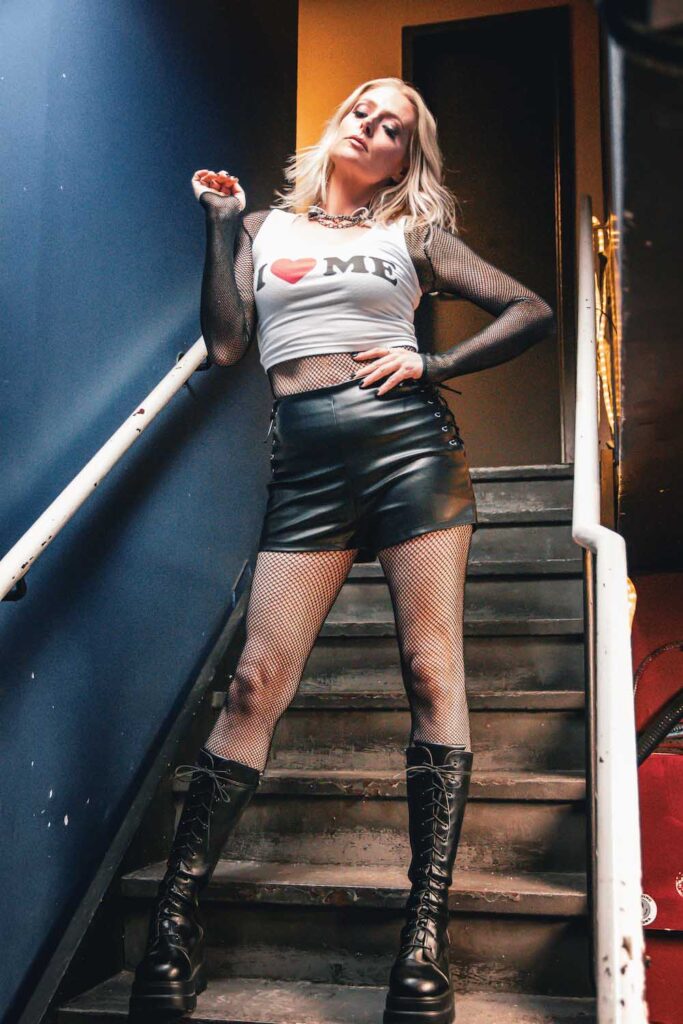
Which track on the album feels the most personal to you, and why?
Definitely Diet Coke and Lexapro. A lot of my other songs are tongue-in-cheek, playful, sarcastic but this is a true representation of the actual me and what I went through. Every word in that song is close to me. I wasn’t getting out of bed, I didn’t feel like myself, I was consumed by my sadness. I have generalised anxiety disorder, but my anxiety had never been higher than it was at that time. I couldn’t function.
Musically, I feel like we captured those feelings. The bass drum mimicked my steady, elevated heartbeat. The fading-out ending gives the sense that this song continues on a loop forever, just like my never-ending, looping thoughts. Also, the vocals in the bridge are slightly out of time because I started crying in the vocal booth on that take. We all agreed that we liked the feeling it captured and left it in the song that way. I can’t think of anything more personal.
Your Instagram shows both your comedic side and your rock persona. How do you balance these different sides of yourself?
I don’t feel like I need to balance the sides because they are both such a part of who I am. They just kind of go hand in hand for me. I think people are just more used to seeing the comedic side and didn’t know that I’ve had this rock persona within me my entire life.
Can you walk us through your creative process when co-writing these songs?
We approached writing in a few different ways. Sometimes we would start from a lyric idea I had or a piece of a song I had come up with. But with a song like Dumpster Fire, for example, we started with the guys sending me a piece of music they were working on. I came up with a melody and lyrics on my own, and then we came together and collaborated to shape it into a fully formed song. I really love songwriting and figuring out the pieces like a puzzle.
Pop-punk often thrives on raw emotion. Was it challenging to be this vulnerable in your lyrics?
I didn’t find it challenging to write from this perspective. Like I said, I’m a sensitive person! This is just who I am. But I think what is challenging is realising that the world is going to hear them now. I guess it’s good that I tried not to think about that too hard during the writing process. Maybe I would have censored myself more if I had!
Your breakout single “Now I Know” topped rock charts across multiple countries. How did that success change your perspective on your music career?
It was so wonderful to find out that so many people around the world were rooting for me! How cool is that? It definitely helped give me the confidence to keep moving forward and creating more.
You’ve performed at iconic venues like The Viper Room and Whisky a Go Go. What’s been your most memorable live performance moment so far?
Definitely headlining The Phoenix in Toronto this past February. It was my first Canadian show and I played with three amazingly talented musicians who also happen to be women. My dream since I was a kid was to front an all-female band and I made that dream come true! AND I did it at an iconic Toronto venue where I grew up going to shows. It was so surreal and beautiful. It was just an awesome night. I came off stage and was immediately like, “I’m pissed!” My friend asked why, and I said quite simply, “That I don’t get to do this again tomorrow!”
How did your role on Superstore influence your confidence to step into music?
I think it’s safe to say that Dina Fox is one of the most unwaveringly confident characters we’ve ever seen on TV. Honestly, I’ve always been really inspired by her! In the “Gender Reveal” episode of the show (that I also happened to write!), there was a line where she said: “Listen, if you ask me, you can always find a reason not to do anything. And if there is stuff you want to do, do that stuff.” I’ve had that line echoing in my mind throughout my music journey.
If you could describe the energy of Call Me When You Get This in three words, what would they be?
Real, raw, redemption.
What inspired the album title Call Me When You Get This?
I liked the idea that the entire album was one long voicemail left for the ex that hurt me. The idea of just dumping every single feeling into a chaotic, messy, LONG voicemail all before taking a breath and saying, “Anyway… call me when you get this,” felt intrinsically funny and real to me. And I think that’s got to be a relatable feeling for a lot of people.
“Whiplash” was nominated for a Hollywood Independent Music Award. How did it feel to get that recognition so early in your music career?
That was such a cool moment for me. I’ve been working so hard and I love my music so much, but this just felt like a sign to keep going. Like, maybe I am doing something right! It felt like a benchmark on my music journey that maybe I’m not completely delusional. I’m not writing music to try and please anyone else, but I think knowing that an awards jury thought my song was good enough for a nomination was validating. Having this happen so early in my music career was definitely a great motivator to keep pushing ahead.
What message do you hope listeners walk away with after hearing this album?
That there is beauty in admitting that your heart has been changed forever. You can rebuild and move forward and have redemption and find happiness again, but I think it’s also okay to admit that you’ll never be the same. To me, grief never goes away, you just learn to live with it over time.
How has your personal style evolved between your acting roles and your current music era?
Over the years, people have seen me on red carpets and photo shoots wearing what I felt like I “should” wear as a TV actress, if that makes any sense. Now I feel like I’m embracing more of my actual style in general. It’s been fun finding ways to implement more rock ’n’ roll pieces in my clothes and also my hair and makeup for events. I honestly feel like I’m more myself than I’ve ever been. And it’s fun that so many Y2K fashions are coming back right now! I feel like I’m dressing like I used to in high school again, and I couldn’t be happier about it.
How did the heartbreak behind this record push you creatively?
The heartbreak pushed me as a human. I had never experienced anything quite like it. So there was no way it wasn’t going to push me in directions creatively I didn’t think I would ever go.
Do you see yourself touring internationally with this record?
That’s the hope! I know I have a lot of supporters of my music in the UK, so that’s a huge priority for me with future tours.
If you could collaborate with any other pop-punk or rock artist right now, who would it be?
Yungblud. Straight up. I think everything he’s doing right now musically is super interesting and really powerful. He also just seems like such a fun, cool person. That would be the dream, for sure.
With acting, music, and hosting, how do you decide where to put your energy next?
Sometimes I don’t know how I keep finding energy for anything! Honestly, I just want to keep doing all three. I don’t love downtime or being idle, so I’m ready for whatever the next opportunity is!
Your message for us at TorontoPages magazine.
Thank you for supporting the arts in Toronto! It’s so important. And in a time where there’s so much darkness in the world, celebrating local people is a wonderful light.