
Building something bigger than ‘just another PR agency.
Lisa Kwong is the visionary President and founder of Public / Realm, Public Relations – the newest cultural‑forward arm of Toronto’s Community Agency. With nearly two decades of experience spearheading communications for luxury, fashion and lifestyle brands, her career includes leadership roles at SSENSE, Veritas Communications, Pomp & Circumstance, Narrative and NKPR. Under her direction, Public / Realm aims to redefine PR by embedding brands into culture, thoughtfully shaping relevance beyond media coverage. An advocate for meaningful, face‑to‑face engagement and creative risk‑taking, Lisa champions what she calls “culture‑driven PR,” where strategy and creativity converge with purpose. Recently recognised among PR in Canada’s Top 40 Under 40, she’s celebrated for her clarity of vision, strategic rigour and ability to secure standout placements and partnerships. In this interview for TorontoPages, Lisa shares illuminating insights on her career evolution, leadership philosophy and how she’s steering Public / Realm to become a true cultural partner in today’s fast‑evolving landscape.
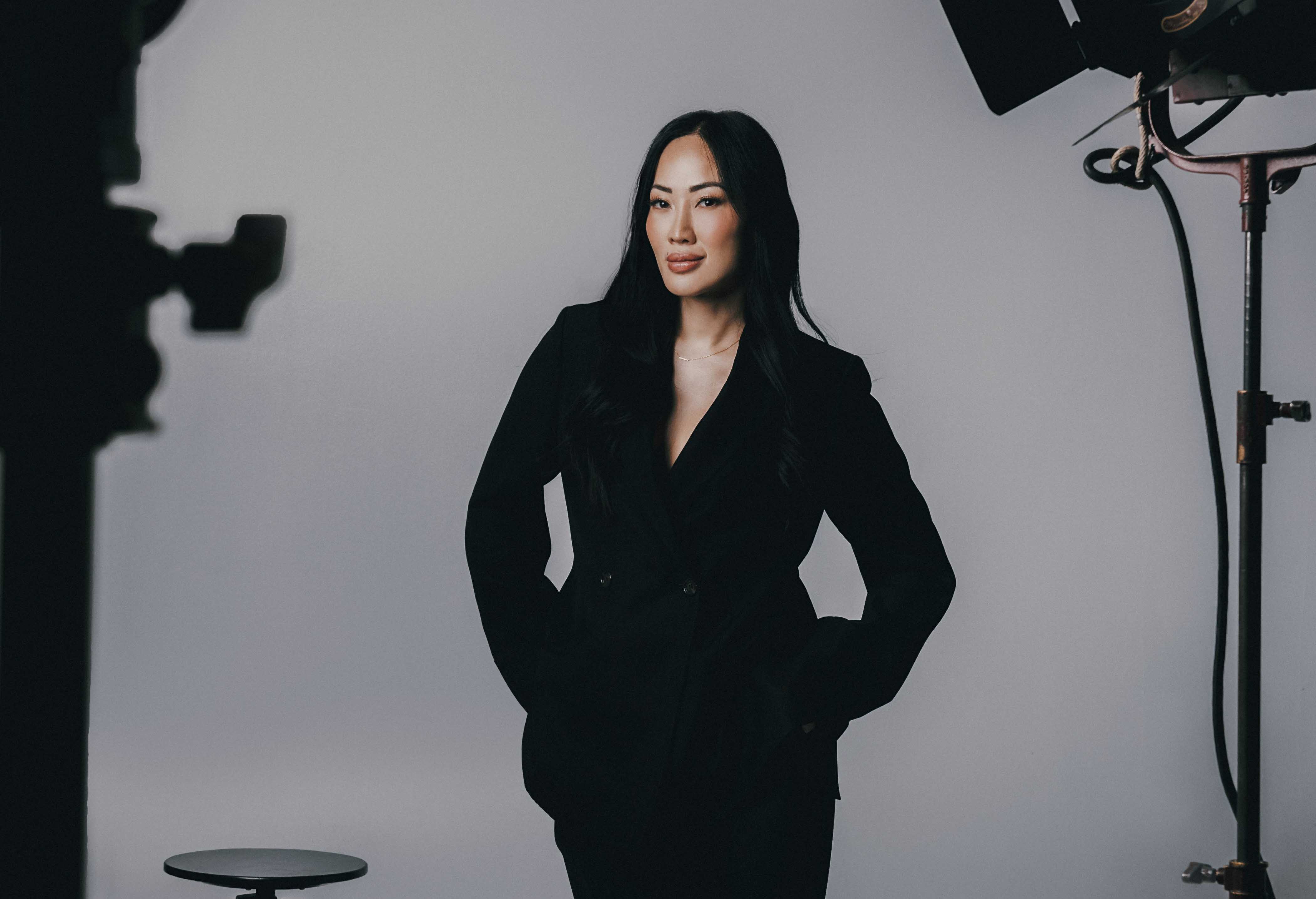
Hi, please introduce yourself to our readers.
My name is Lisa Kwong, and I’m a long-time PR pro and the founder of Public / Realm, a boutique PR agency built to embed brands into culture and help them show up with purpose and presence. I’m a Libra on the Virgo cusp, equal parts work ethic, aesthetics, and creative energy which, honestly, explains a lot about how I approach my work: with rigour, style, and intention.
What inspired you to launch Public / Realm under Community Agency?
The stars aligned. I had just wrapped up my role at SSENSE when Jesse Carere, a long-time friend and partner at Community Agency, reached out and said, “Hey, are you available for lunch next week? I want to pitch you on something.”
How would you describe your vision for Public / Realm’s role in today’s PR landscape?
Everyone says they’re here to do things differently, but I truly mean it. The PR space is saturated with brands chasing the same consumers using the same safe, forgettable ideas. What’s missing is real cultural fluency and not just scrolling through trends, but actively living and participating in culture offline. At Public / Realm, we believe brands need teams who are out there building relationships face‑to‑face, showing up in the spaces that matter, and approaching business challenges with curiosity, creativity, and the willingness to take risks. That’s the only way to earn relevance today not just attention.
What key differences do you see between PR in Toronto and Vancouver?
The fundamentals of PR don’t change; it’s the application that shifts. The key is understanding the lifestyle and cultural nuances that shape consumer mindsets in each market. As someone who grew up in Vancouver and now lives in Toronto, I feel uniquely positioned to understand both.
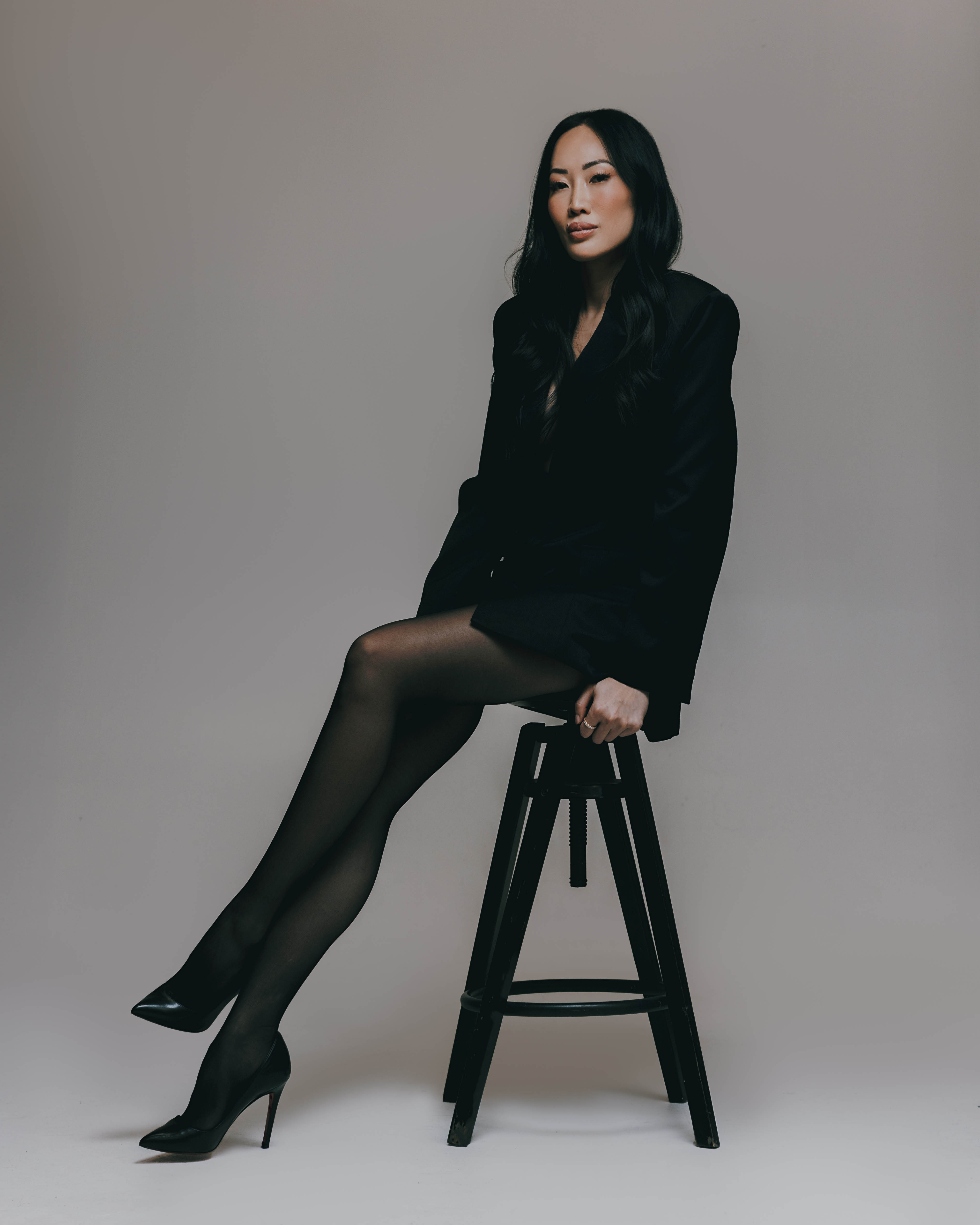
How did your experience at SSENSE influence your leadership at Public / Realm?
My time at SSENSE taught me the importance of brand identity. We called it the “SSENSE POV,” and it was the through‑line that connected everything: from how we curated brand partners and product, to how we approached editorial and brand storytelling. That unwavering clarity of perspective is what allowed SSENSE to not just participate in creative culture, but to lead it. It was a masterclass in consistency and conviction, something I carry with me into Public / Realm. In today’s fast‑moving landscape, brands that know exactly who they are and how to show up will always stand out. And if they don’t, it will be our job to help them.
What was your proudest moment during your tenure at SSENSE?
There were so many incredible milestones, especially under the creative leadership of Thom Bettridge, the current editor‑in‑chief and chief brand officer of i‑D Magazine – whose brilliance fuelled a wave of viral marketing success. I feel lucky to have been part of that era. But from a pure PR perspective, one standout moment was landing a massive double‑page feature in The Washington Post written by renowned fashion critic Rachel Tashjian: “How clothes go from the runway to your closet.” You just don’t see coverage wins like that these days.
How has your leadership style evolved across firms like NKPR, Narrative, and Pomp & Circumstance?
As I gained more experience, I grew more confident in my leadership. Early in my career, I brought a lot of intensity driven by a desire to prove myself. As I grew, I learned to soften my approach without compromising the creative and strategic edge that defines my leadership. The key has been balancing assertiveness with empathy, creating an environment where both the work and the team can thrive.
What values are most important to you when building agency culture?
I want this agency to be a true melting pot of lived experiences, passions, and creativity, a space where everyone feels seen, valued, and empowered to bring their full selves to the table. Each member of our team contributes a unique perspective that shapes not only how we show up for our clients, but how we show up for each other. By embracing different backgrounds, identities, and ways of thinking, we create richer work, stronger relationships, and a more inclusive culture, one where everyone has a voice and a role in pushing the industry and our clients forward.
How would you define “culture‑driven PR” in your own words?
It’s less about chasing trends and more about having a deep understanding of what’s shaping the world around us and finding meaningful ways to participate. It means having our fingers on the pulse, not just to follow the conversation, but to help lead it. At its core, culture‑driven PR is about embedding brands into the cultural moments, communities, and movements that matter, so they show up with relevance, not just visibility.
How do you measure success for a PR campaign beyond media exposure?
If people still bring it up years later. To this day, I have people asking me, “Remember that Grey Goose party you threw on the island?” That was in 2016.
How do you balance creativity and strategic planning within your team?
Creativity and strategy are two sides of the same coin. Strategy gives creativity purpose, and creativity brings strategy to life. The most effective work happens when both are considered from the start. It’s how we ensure our ideas not only stand out, but actually deliver.
What role does social listening play in your approach to brand‑building?
A former colleague once said that social media is the digital water‑cooler of our generation, and I couldn’t agree more. It’s where cultural conversations unfold in real time, and there’s no better place for a brand to understand what their audience truly cares about. The real question is: are you passively listening, or actively finding ways to join the conversation in a way that feels authentic and timely.
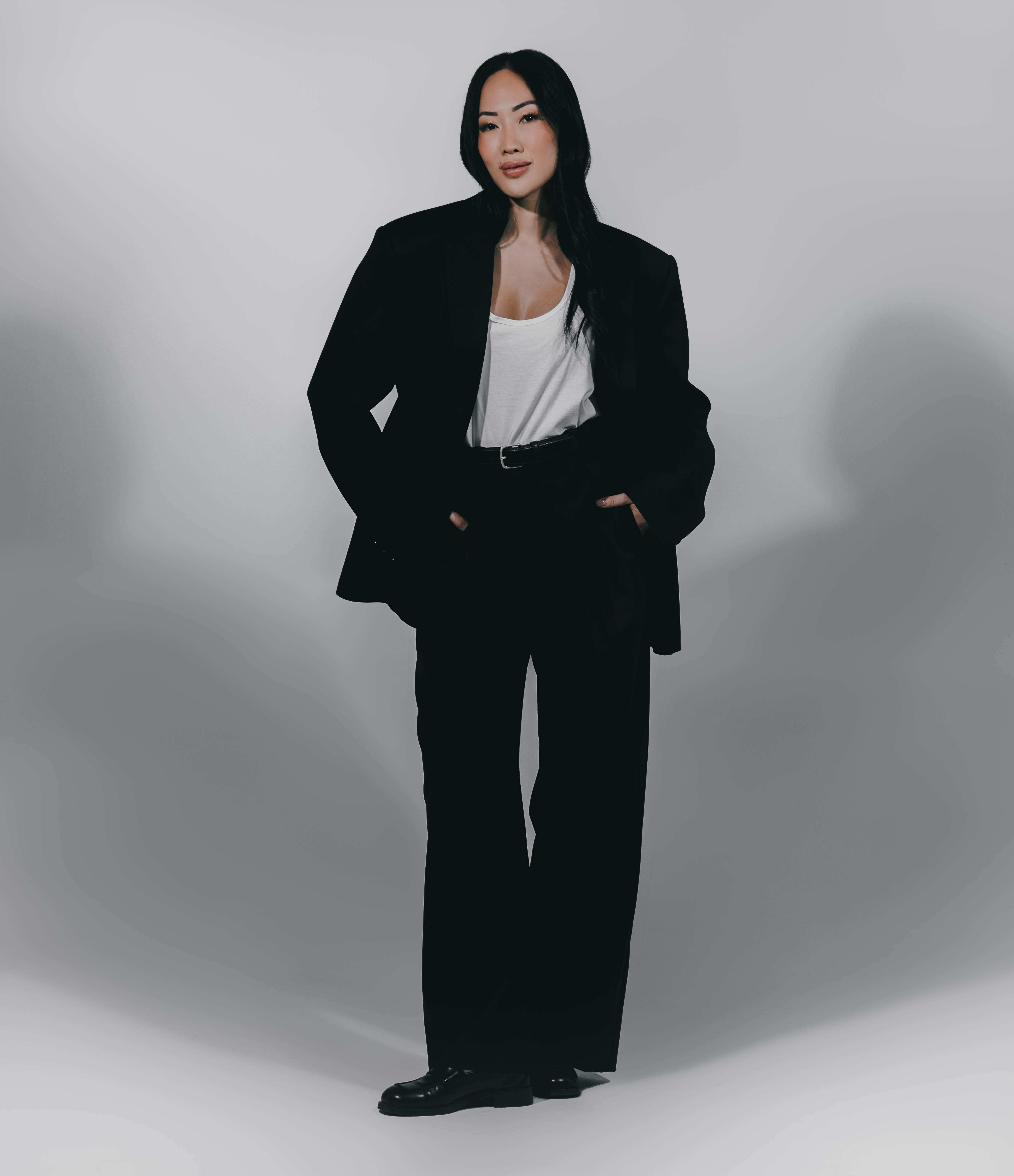
How have shifts in social media changed the way you advise your clients?
Social media is constantly evolving, so it’s crucial to stay close to it. Either by being an active user myself or by having team members who live on the newer platforms. Every channel has its own culture and language, and you can’t give smart advice without truly understanding how brands are expected to show up in each space.
How have economic uncertainties impacted your business strategy?
It’s taught me the value of patience and long‑term thinking. I’m naturally someone who wants results yesterday, but the current climate has reinforced the importance of nurturing the right relationships and playing the long game. Instead of chasing quick wins, we’ve focused on building a strong foundation, trusting that the work we put in now will come full circle when the timing is right.
How do you stay resilient during high‑pressure moments?
I remind myself: “There’s nothing you haven’t been able to handle, and this is just another one of those moments, so roll up your sleeves and get it done.”
How do you prioritise work‑life balance for yourself and your team?
Work‑life balance looks different for everyone, so it starts with mutual respect and trust. I encourage my team to work in a way that suits them, as long as the job gets done. PR isn’t your typical 9‑to‑5; there’s an ebb and flow to it. You lean in when it’s busy and take your time back when it’s not. But one thing I always hold myself to: I don’t email or message my team outside of work hours unless it’s important. Everyone deserves the chance to fully disconnect and recharge.
What is the toughest decision you’ve made as an entrepreneur?
I haven’t been at this for long, so I’m sure the answer will change but so far, it’s been naming the agency. It sounds trivial, but it was one of the most important and challenging decisions we made. Our clients look to us to build their brands, so we needed something that could stand on its own. The name needed to feel cool but timeless. It had to speak to the nature of our work without feeling too obvious or cliché. Most of all, it had to be world‑building something that could carry the weight of our ethos and serve as a foundation for everything we do. Simple on the surface, but a huge decision at the heart of it all.
How do you stay inspired and keep your creative edge sharp?
Look outside your everyday for inspiration: travel, attend events, scroll social media with intention, and surround yourself with curious and creative people.
Looking ten years ahead, what legacy do you envision leaving in the industry?
Legacy wasn’t something I spent much time thinking about until recently. During Asian Heritage Month, I attended “Second Moon,” a cultural platform launched by Will Nguyen that celebrates the immigrant experience and explores what it means to live between two cultures. During one of the panels, Will posed a question that stayed with me: “What is your ocean?” He was referring to how many of our parents or grandparents crossed literal oceans in pursuit of a better life and how it’s now on us to define the metaphorical oceans we’re willing to cross for the next generation. That question shifted my perspective. Since launching Public / Realm, I’ve had so many young professionals, particularly women of colour reach out asking how I’ve navigated my career as a Chinese‑born Canadian woman in a predominantly white industry. These conversations have made me reflect on the responsibility I now carry: to lead by example, to make space, and to show others like me what’s possible. If, in ten years, I can look back and see that I’ve helped open doors, build pathways, and empower the next generation of leaders to rise with confidence and then I’ll feel I’ve done something meaningful. That would be my legacy.
Your message for us at TorontoPages magazine.
Keep telling these stories!