Where Tears and Laughter Coexist
Co-founders Amanda and Nikki open up about disrupting traditional grief, finding light in the dark, and building a new kind of family.
Navigating the profound ache of parental loss can be an incredibly isolating journey, especially when moving through the milestones of young adulthood. For those walking this path, traditional support systems often miss the messy, nuanced reality of modern grief. Meet Amanda and Nikki, the visionary duo behind The Parentless Club.
What began as a grassroots gathering in Toronto called Motherless Day has quickly blossomed into a vital, country-wide community. By beautifully blending radical honesty, vulnerability, and a healthy dose of dark humour, they are completely flipping the script on days that once felt entirely impossible to face.
In this exclusive conversation with The Toronto Pages, the co-founders open up about their personal journeys, the power of peer-to-peer connection, and how they are creating spaces where tears and laughter seamlessly coexist, ensuring that while their members may be without, they are never alone.
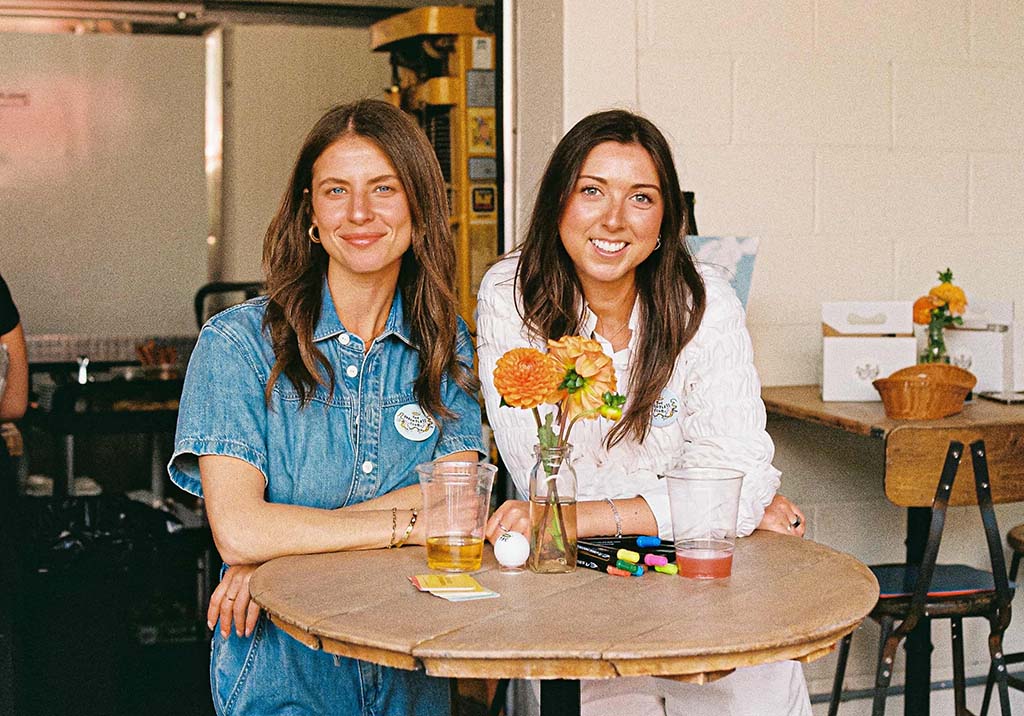
For readers discovering The Parentless Club for the first time, could each of you tell us a little about yourselves and your journeys before launching this community?
Amanda: I’m the Co-Founder of The Parentless Club and the Executive Director of Homeless Cars, a car donation charity. Long before I started Motherless Day or The Parentless Club, I was someone who simply loved bringing people together. Looking back, I definitely inherited that instinct from my mom.
My mom struggled with Bipolar Disorder for much of her life and ultimately passed away by suicide when I was 21. The funny thing is that many of the traits I admire most about her now are the exact things that embarrassed me when I was younger. She talked to everyone. She made friends everywhere. She turned strangers into family and would buy gifts for people she’d met only once just because something reminded her of them.
When she was at her best, she made life feel magical. Random Saturdays meant jumping in the car and heading across the border to Buffalo for a gallery opening. Valentine’s Day meant intricate scavenger hunts around the house. Weeknights meant spontaneous trips to Hamilton’s waterfalls. She had a beautiful way of turning ordinary moments into grand adventures.
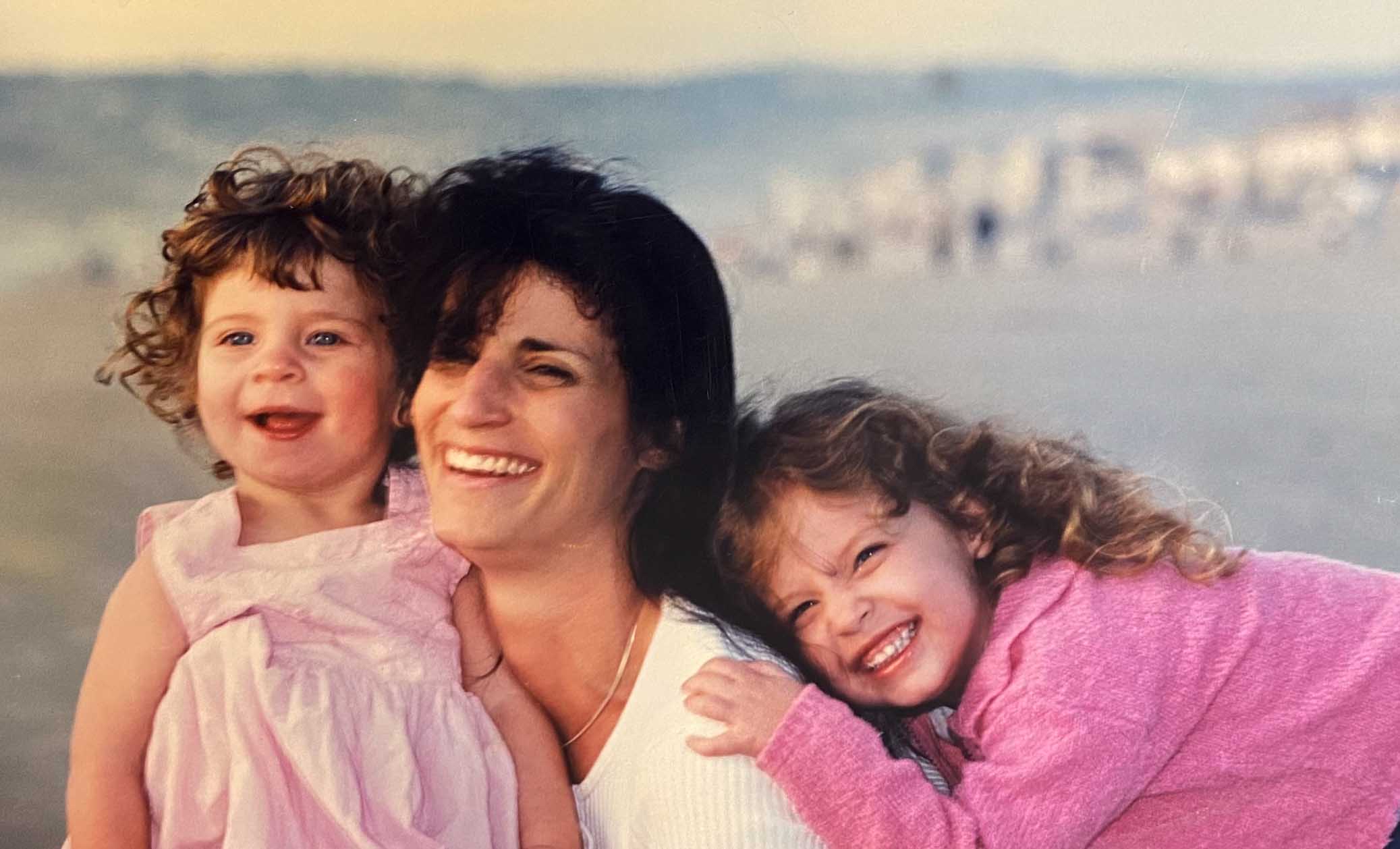
A lot of what I do now is rooted in those same impulses. Creating connections, bringing people together, and making people feel seen were her superpowers. After she passed away, my sister, Jordy, and I found ourselves returning to the places she loved, recreating the little traditions that made us feel close to her. I was lucky to have a sibling to honour her with, but I knew many people didn’t. There were so many others wanting to carve out time for their parents, tell their stories, or simply be around people who truly understood.
As someone who loves bringing people together and throwing a great event, I eventually channeled that feeling into the inaugural Motherless Day.
Nikki: I’m the co-founder of The Parentless Club. While I work full-time leading brand partnerships and collaborations at lululemon, The Parentless Club has become so much more than a “side hustle.”
I lost my mom, Linda Lewis, at the age of 18, right at the pivotal moment when you’re supposed to start stepping into young adulthood and figuring your life out. There’s a quiet, heavy disorientation that comes with losing a parent young, especially when they are your best friend. Life keeps moving, but you’re moving through it without the person who was supposed to be there for all of it.
When I moved from Toronto to Vancouver, that feeling became even louder. I was building a brand-new life in a new city without my person. Even though I had incredible friends, there were moments that were incredibly hard to explain to them, like holidays, major milestones, or even just ordinary days where I desperately wished I could pick up the phone and call her.
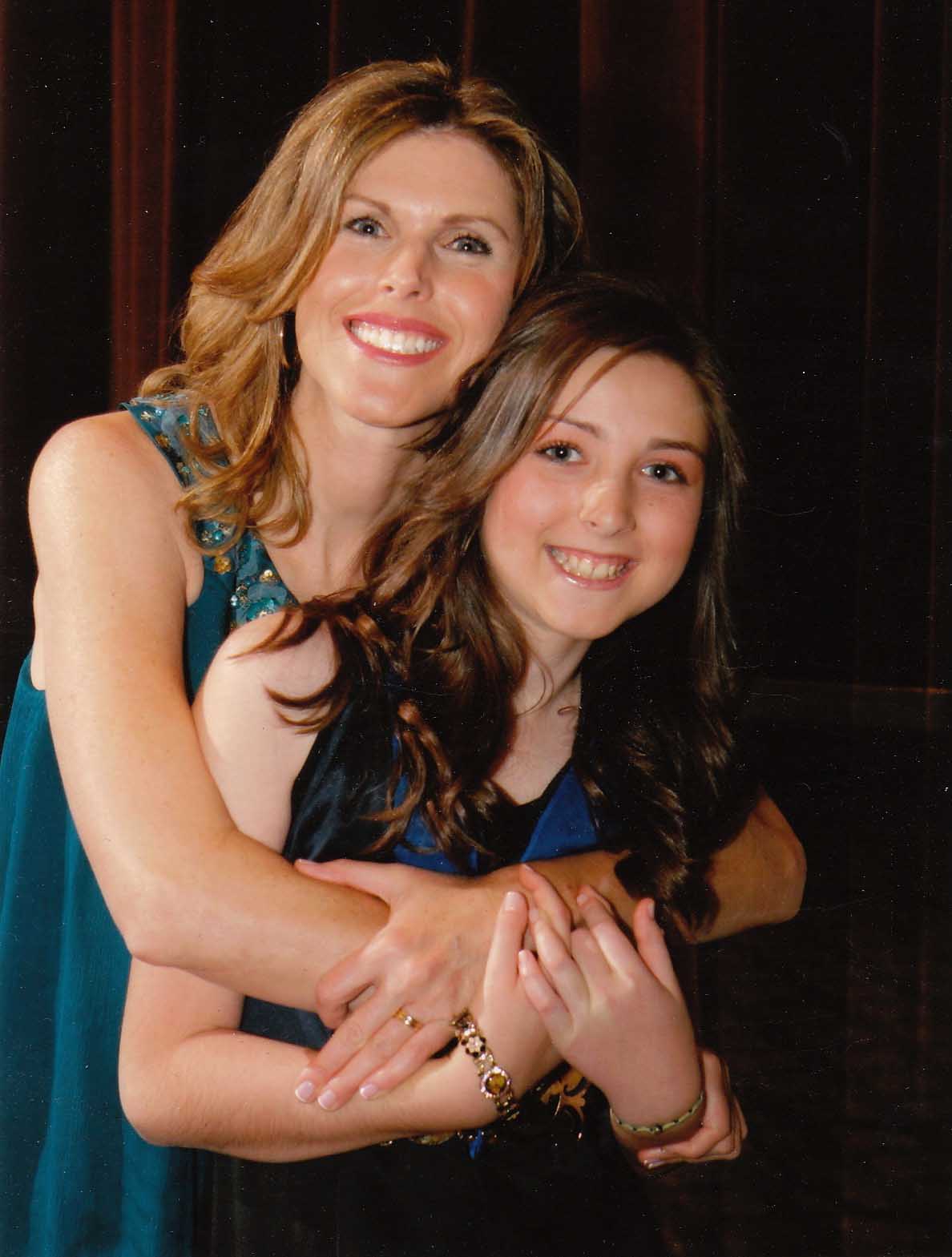
I didn’t necessarily set out to build a platform centered around grief. But when I realized there was a massive white space, a gap to fill around the acute isolation of loss, the answer became clear: I had to create it. The Parentless Club came from that exact vulnerability: wishing there were people who could step in and be that “best friend” who truly gets it, when your actual best friends simply can’t. It’s a place to feel a little less lonely, a little more real, and a lot more honest about how we actually move through grief in our day-to-day lives.
How did you two first meet, and what brought you back together years later?
Amanda & Nikki: We were actually childhood friends at summer camp but completely lost touch over the years. We lived close enough in adulthood to swap a quick hello on the street if we crossed paths, but that was about it.
Fast forward to Nikki making the move from Toronto to Vancouver. She was looking to build a local support network and a community in a similar vein. Around that time, she saw what Amanda had created with Motherless Day in Toronto, and it sparked something immediate.
It was almost like we had both been sitting with this exact concept in our heads separately and unknowingly. Nikki slid into Amanda’s DMs to see if they could collaborate on something that extended beyond a single-day event. The rest, as they say, is history or in this case, the birth of The Parentless Club.

You both experienced the loss of your mothers at very different points in your lives. How did those experiences shape who you are today?
Amanda: My relationship with my mom was challenging when she was here, largely due to her struggles with mental health, mixed with my own teenage and early-twenties angst. While I appreciated her for everything beautiful that she was, I focused a lot on how hard things were while she was alive.
When she passed away, there was an immediate and unexpected shift in my perspective. Instead of focusing on the friction, I began to see all the incredible facets of her character. The fights and the sticky bits became smaller, and the gifts she gave us became so much bigger.
“Grief can be incredibly isolating, but it can also create profound connection in places you least expect.” ~ Amanda
Her loss also made me realize how deeply I value human connection. After losing her, I became much more intentional about it. I stopped waiting for reasons to gather people; I started creating them. I also began connecting deeply with people who had experienced loss themselves. A close friend of mine had lost her mom two years before I lost mine. When her mother died, our friend group didn’t really know how to show up for her. But by the time I lost my mom, she knew exactly what to do. My friends rallied around me in a way they only knew how to because we had already walked through it together. There was something profoundly heartbreaking about that, but something beautiful too. It taught me that while grief can be incredibly isolating, it can also create profound connection in places you least expect.
Nikki: Losing a parent at any age is devastating, but losing my mom at such a critical juncture in young adulthood undoubtedly shaped the trajectory of my life. No one hands you a manual on how to enter adulthood without the person who brought you into the world. I always say that it isn’t the loss itself that drives me forward every day, it’s who she was. My mom found the perfect balance of being a parent while making me feel like her absolute best friend. Losing her meant losing the woman who would guide me through every major life stage.
As I reach new milestones and experience new things, there is one constant that never fades: asking myself, “What would Linda do?” Whenever I am faced with a tough challenge or a big decision, I envision my mom guiding me. It’s a way to maintain an active connection to her, alongside other personal rituals, like watching the sunset before a major day, writing by the water to embrace my journalistic gene, or co-founding The Parentless Club to advocate for this community.
She was and always will be my ultimate inspiration. Her former colleagues, her friends, and our family always referred to her as a true “ray of sunshine.” That sunshine is now tattooed on my ankle, serving as a permanent reminder to find joy in the little things to create a big, meaningful life.
What was the specific conversation or moment that sparked the idea for the club?
Amanda: In 2023, the year before launching Motherless Day, my sister and I were invited to a baseball game with our mom’s best friend. It was a beautiful celebration because it fell on both Mother’s Day and her friend’s birthday. It was a wonderful afternoon, but when we got home around 7:00 PM, we realized that despite having fun, we felt a lingering guilt for not spending the day specifically focused on our mom.
Our mom loved simple, low-key things like 7-Eleven Slurpees and McDonald’s soft serve. So, my sister and I drove over to the McDonald’s at Bathurst & Dundas, ordered two vanilla ice creams in a cup just like she used to, and sat in the car talking about her. It was in that parking lot, on that night, that I knew I wanted the next year to be different. I realized we weren’t the only ones craving a dedicated space to not just commemorate our parents, but to genuinely celebrate them, too.
Nikki: Following the success of that first Motherless Day event in 2024, The Parentless Club was officially born during a phone call Amanda and I had. Initially, we just set out to catch up and talk about how her event went. But our conversation quickly evolved into a shared realization: though largely invisible in everyday society, grief reaches far too many of us far too early. And it certainly doesn’t stop after the “big days” like Mother’s Day or death anniversaries.
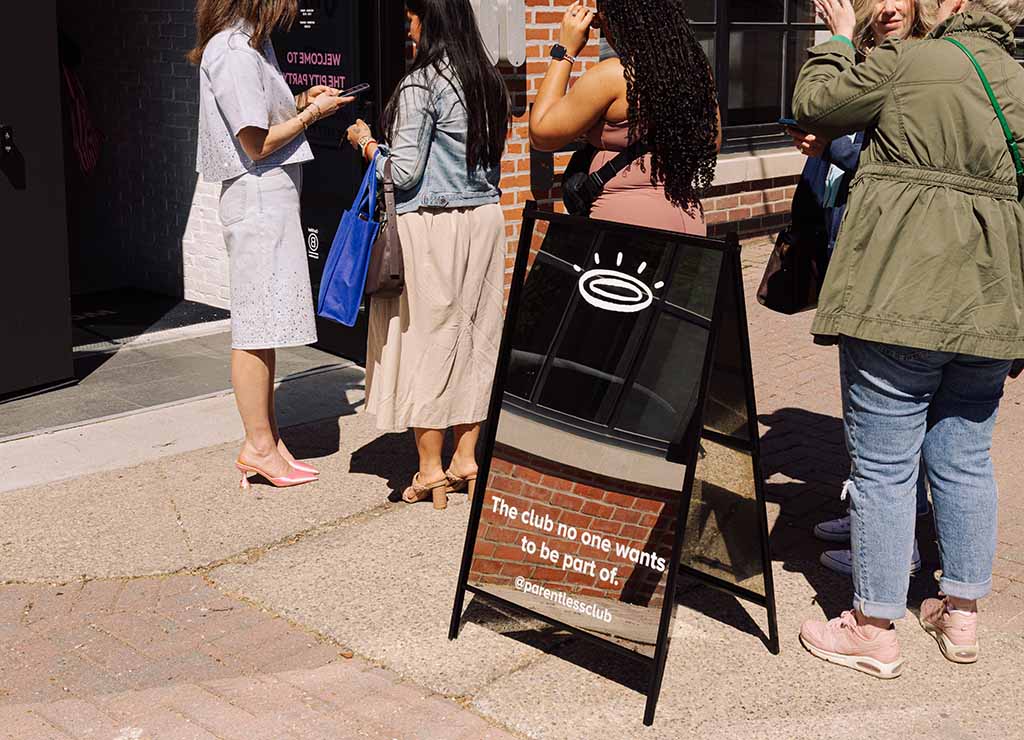
Grief is messy, weird, and ongoing, so we decided to keep going, too. When individuals who had lost their fathers expressed that they wished they had a similar space, our broader mission became crystal clear: make grief a little less lonely. The Parentless Club is the club none of us ever wanted to join, but if you’re in it, we want to make sure you never feel alone.
Why do you think so many people who have lost a parent struggle to find spaces where they truly feel understood?
Amanda & Nikki: A lot of the existing resources out there focus heavily on the initial loss and the immediate sadness but very little addresses the lifelong reality we are left to navigate. There are ways we want to continue to honour our parents and let their legacies live long beyond their years on Earth, whether that’s by telling funny stories about them, saying their names aloud, or creating entirely new traditions on days where the old ones were lost. It’s about connecting with peers who understand that balance.
Losing a parent in your youth is deeply isolating because the vast majority of your friends haven’t experienced it yet. While you’re happy they haven’t, it can create an unspoken divide and, occasionally, unintentional disappointment when they don’t know how to react. Traditional support systems are incredibly valuable, but peer-led connection offers something entirely different: a space where you never have to apologize. You don’t have to apologize for crying, laughing, or sharing unapologetically dark humour.
Not every moment in our club is a heavy conversation about loss. Every story, snippet, or memory shared is simply an opportunity to feel validated through genuine relatability, approachability, and familiarity.
The Parentless Club approaches grief with a distinct blend of honesty, vulnerability, and humour. Why was establishing that specific tone so important to you?
Both: Because that is how people actually talk.
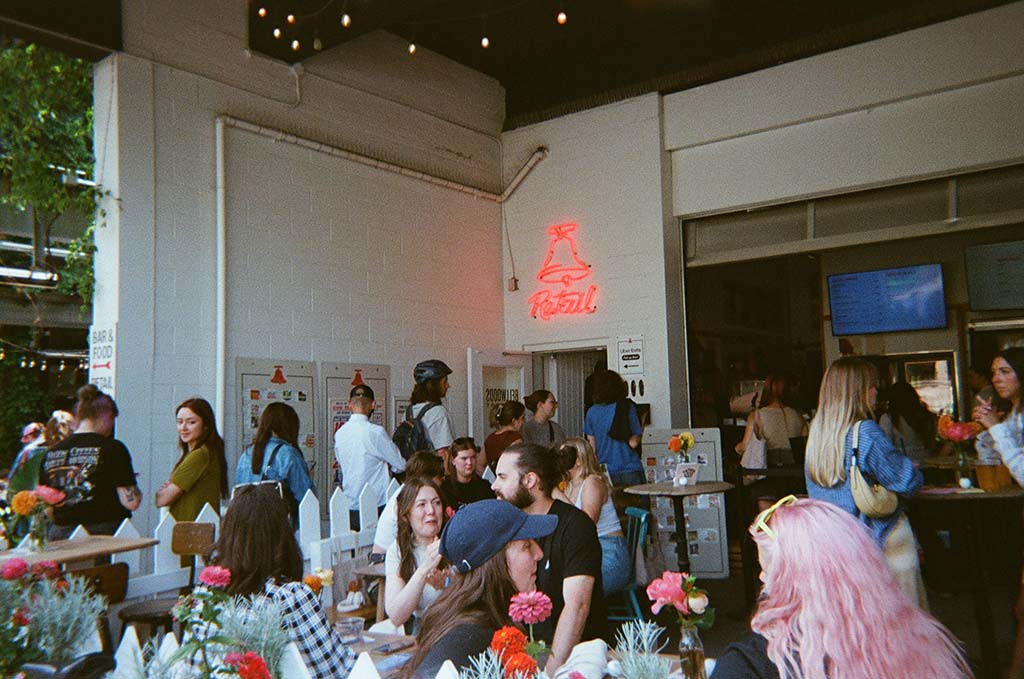
The lightness, authenticity, and humour we bring to the community are exactly what draw people in, especially those who wouldn’t typically be interested in a traditional support group. We balance that wit with a deep softness. There is already an abundance of heavy lifting and sadness inherent to grief; choosing not to anchor ourselves solely in the sorrow was a non-negotiable for us. We create equal space for tears and for laughter. Sometimes, laughing through the tears and trading dark jokes is just as therapeutic as the traditional stuff.
How do you respond to critics who believe grief should always be discussed in a more formal or serious manner?
Amanda & Nikki: We always say there is no single “should” when it comes to grieving. Even as two people who have lived through our own distinct versions of loss, we know everyone’s relationship with grief is entirely unique. It’s shaped not only by how and when the loss happened, but by the specific relationship you had with your parent, and the relationship you have with yourself.
What were some of the biggest challenges you faced when building a community around such an emotionally charged subject?
Amanda: The reception from the community itself was instant and incredible, but it took people outside the club a little while to understand the vision. Early on, I was met with comments like, “You’re creating a brand around what?!” or “‘Motherless Day’ feels a bit too jarring… maybe you should call it something more inviting.” I received a million sympathetic “puppy-dog eyes” from well-meaning outsiders. But now, after seeing the profound energy of the rooms we create and how vital it is for our members, those same people are saying, “Oh, wow. This is really special.”
Nikki: In addition to navigating external opinions, there is an ongoing internal logistical challenge as we scale. While people assume building this platform is entirely cathartic for our own grief, it’s also a massive operational lift. Suddenly, we have to wear the hats of event planners, accountants, graphic designers, and consultants. What keeps us completely grounded, though, are the stories we hear and the collective impact our community makes. We operate entirely for the community, with the community. We may be without our parents, but we have each other and that is infinitely more than we had before.
Was there a defining moment when you realized the platform was resonating far beyond your own personal circles?
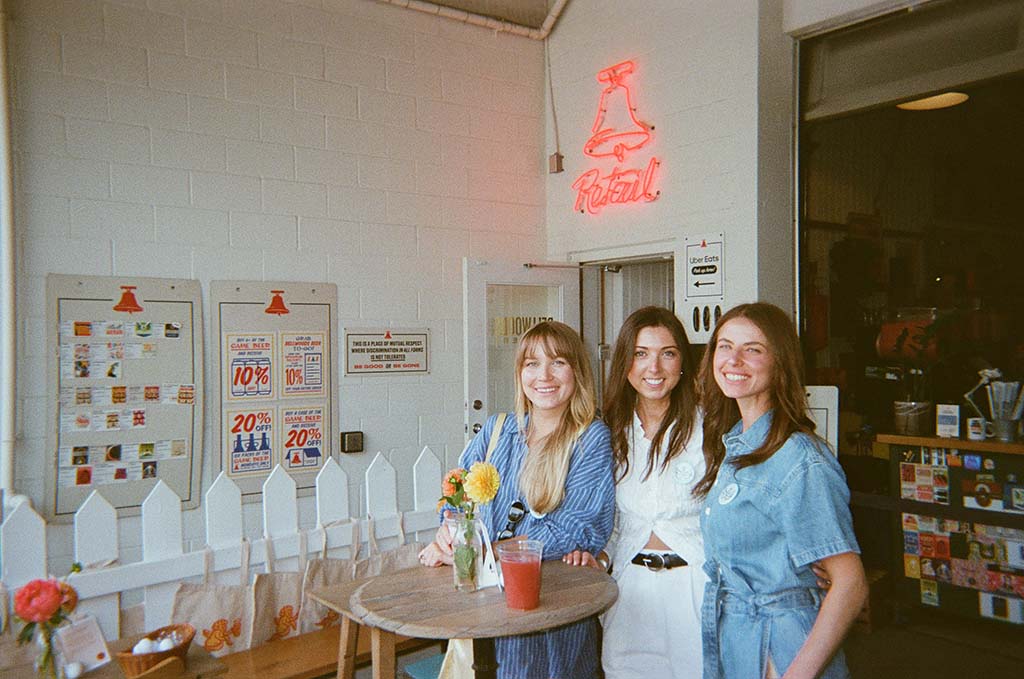
Amanda & Nikki: For starters, our events sell out almost instantly. It’s an incredibly bittersweet feeling. It’s sweet because it proves the concept is resonating and the space is desperately needed. But it’s bitter because it serves as a stark reminder of just how many people are carrying this profound loss and it hurts to know that anyone who missed out on a ticket might be spending a difficult day entirely isolated.
“We are flipping the script on days that once felt completely impossible.” ~ Nikki
The most meaningful shift, though, is that our members are actually looking forward to these milestones now. They’ve gone from absolutely dreading Mother’s Day to actively saying, “I can’t wait to go to Motherless Day.” We are flipping the script on days that once felt completely impossible, creating vibrant connection where there was once deep isolation, and bringing light back to a space that had lost it. That is what matters most to us.
What are some of the most memorable stories or messages you’ve received from your members?
Amanda: A lot of the beauty is in the small, quiet interactions, but we’ve also witnessed some incredibly impactful moments. For our recent Fatherless Day event, a member generously purchased and donated an extra ticket for someone who couldn’t afford to attend. We posted the availability on our Instagram Stories, and within two minutes, a past Motherless Day attendee responded. She was the recipient of that final spot.
She later sent us a beautiful message asking to pass along her deepest gratitude to the anonymous donor. She explained that she had lost her father, her mother, and her brother all within her thirties, and told us how exhausting it is to find spaces where she feels understood. She had been severely struggling with her mental health while navigating these compounding losses and had actually found herself at the Centre for Addiction and Mental Health (CAMH) earlier that same week. She wrote: “Life can be terrifying without my people. Receiving this ticket felt like a light when I needed it most.” That completely stopped us in our tracks.
Nikki: Leading up to Motherless Day in Vancouver, we spent an afternoon handing out flowers at a local neighbourhood coffee shop just to brighten people’s day and quietly spread the word. We handed a stem to a woman standing outside with her baby, who was in the middle of a FaceTime call with a friend. It was a brief, lovely interaction, and we didn’t think much more of it.
Later that evening, she DM’d our Instagram account. She wanted to thank us not just for the flower, but for the profound sentiment behind Motherless Day. It turned out the friend she had been FaceTiming right at that moment had lost both of her parents and was simultaneously navigating painful fertility struggles, meaning she was terrified of the upcoming Mother’s Day weekend. It was a truly kismet moment that proved just how universally relatable parent loss is, and how vital this community is.
Grief is so frequently described as an inherently lonely experience. What has this journey taught you about the power of peer-to-peer support?
Amanda & Nikki: Human beings are simply not wired to carry heavy things alone. Loss is isolating, but modern everyday life can be just as lonely. People feel more disconnected than ever right now, even when digital access to one another is at an all-time high through social media and FaceTime. Everyone is searching for a space to feel seen and understood.
What we are building isn’t solely defined by what we’ve lost; it’s about what we stand to gain. We are giving the members of our club an expanded, real-life network of people who just get it without explanation.
What major misconceptions about parental loss do you wish society would finally leave behind?
Amanda & Nikki: So many people want to support grieving friends but have no idea how to approach it. Out of fear of making things worse or bringing the mood down, they choose to say nothing at all. In reality, it’s the exact opposite. Those of us who are grieving are almost always looking for an opportunity to talk about the people we miss and memorialize them.
The only true “wrong thing” to say is to say nothing at all. We always encourage people who knew our moms to tell us stories we haven’t heard. And for those who didn’t know them, we love when they ask what they were like. It gives us a beautiful avenue to keep their spirits alive.
Your in-person events are central to the club. What specific role does face-to-face connection play in healing?
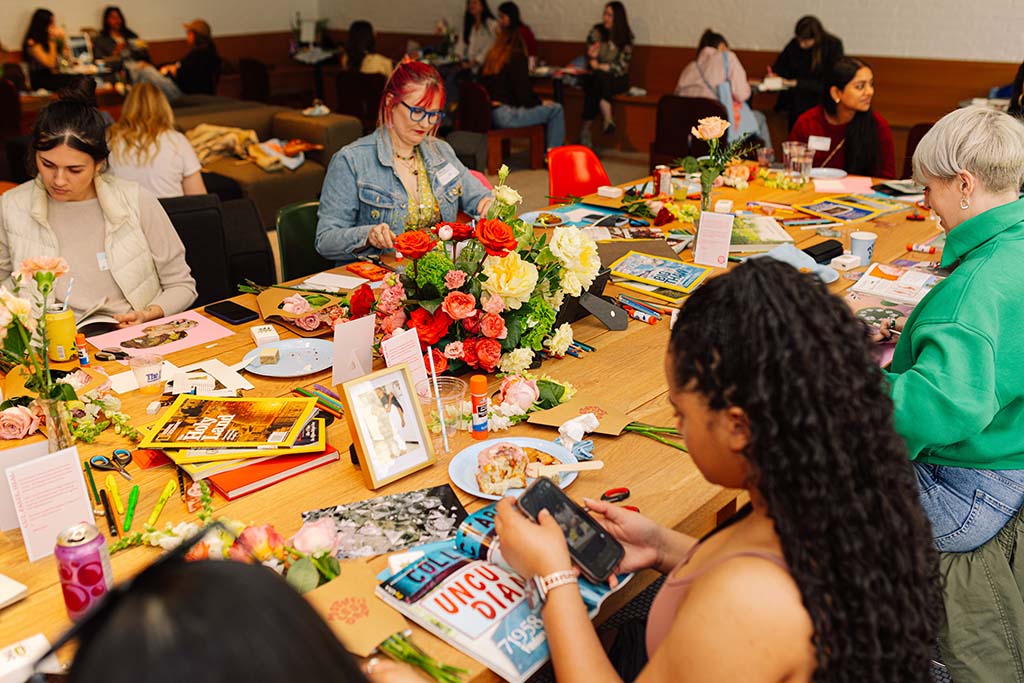
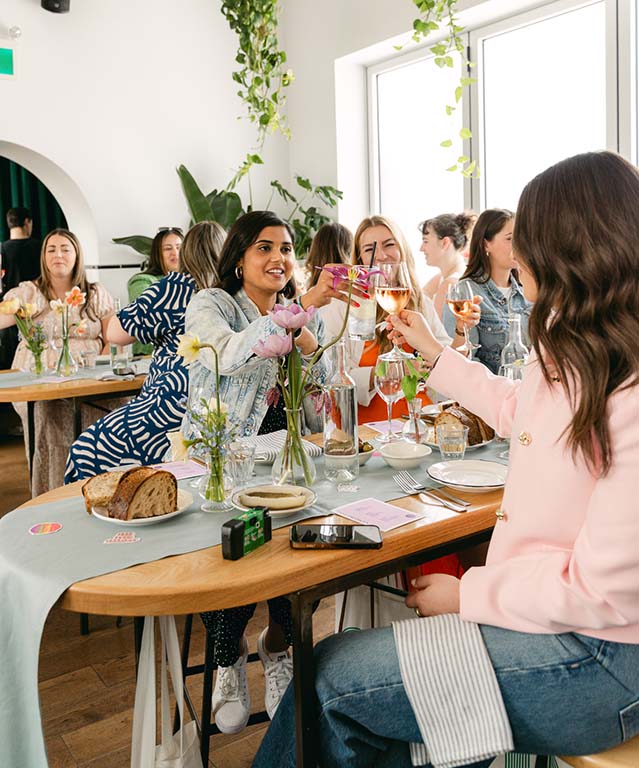
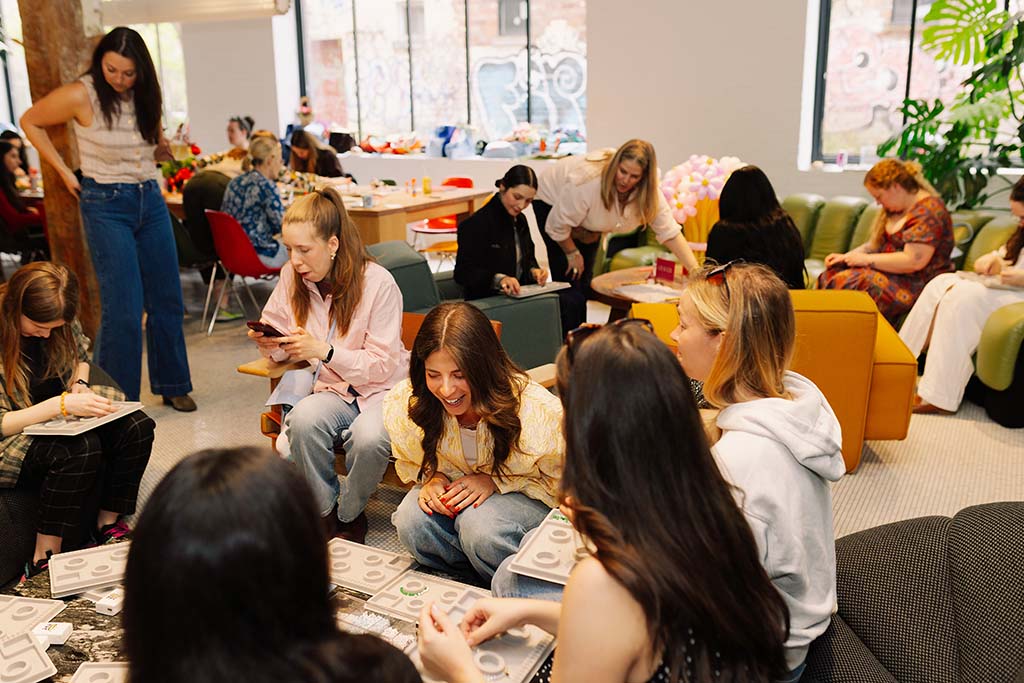
Amanda & Nikki: We meticulously craft our physical spaces to ensure there is a comfortable entry point for everyone. If you are coming to actively mingle, make friends, and talk about your parents endlessly, we have you covered. But if you just want to sit in a room surrounded by a comfort blanket of collective understanding without uttering a single word, our space is designed for that, too.
We always curate tactile activities with honouring our parents in mind, giving people something to occupy their hands naturally lowers their guards, causes the walls to drop, and lets conversation flow effortlessly. You end up sharing things you’ve perhaps never spoken out loud before, and those organic breakthroughs simply cannot be manufactured behind a digital screen.
It also serves as a gateway to real-world friendships, which is the entire heartbeat of this initiative. It’s about building a network that stands by you on ordinary Tuesdays, not just the traditional tough days. We regularly see members leave our events and head down the street together for a glass of wine. They form group chats to celebrate personal wins or lean on each other during darker times. It’s incredibly rewarding to watch.
Are there any specific collaborations or milestones that stand out as particularly meaningful achievements so far?
Amanda: A guiding philosophy shared with me years ago was, “Never for a community, without the community.” That has been our northern star. Everything we execute from our visual branding to our corporate partnerships, is built for the club, by people who are directly in the trenches with you.
Whenever possible, we consciously choose to collaborate with businesses that have been touched by parental loss. Two partnerships that are incredibly close to our hearts are Le Gourmand and Hayden’s Cheesesteaks.
Our partnership with Toronto staple Le Gourmand began when I stumbled across a TikTok from Liam, whose father was the original owner of the bakery. Liam shared that he had tragically lost his dad, and that every single year on the anniversary of his passing, he donates 100% of the bakery’s legendary cookie sales to a non-profit. After he heard our story, he chose The Parentless Club as their beneficiary. They have generously provided their iconic cookies for every single one of our events since.
Another beautiful tie-in is with Hayden’s Cheesesteaks. The business is named after Hayden, a devoted father of two who passed away in 2020. He was a die-hard Philadelphia Eagles fan from childhood, a passion he wove into his kids’ upbringing. Along with football came a love for authentic cheesesteaks. Though his family traveled far and wide cheering on their team, Toronto was always home. Their brilliant pop-up business across the city is a living tribute to him. We are thrilled to be serving their cheesesteaks at our upcoming Fatherless Day event.
We love spotlighting businesses tied directly to our loved ones, alongside showcasing the work of our own community members, our event photographers, vendors, and activity partners are almost exclusively part of the club. Keeping that shared lived experience at the core of our operations is paramount.
What has this community taught you about the true definition of resilience?
Nikki: Resilience is completely relinquishing control over the unexpected. It’s about entirely removing the pressure of how you think you are supposed to be feeling on any given day. If this journey has taught us anything, it’s that true resilience is gently accepting that it is entirely okay to not be okay.
How do you ensure The Parentless Club remains genuinely inclusive for individuals with varied experiences of loss, family dynamics, or estrangement?
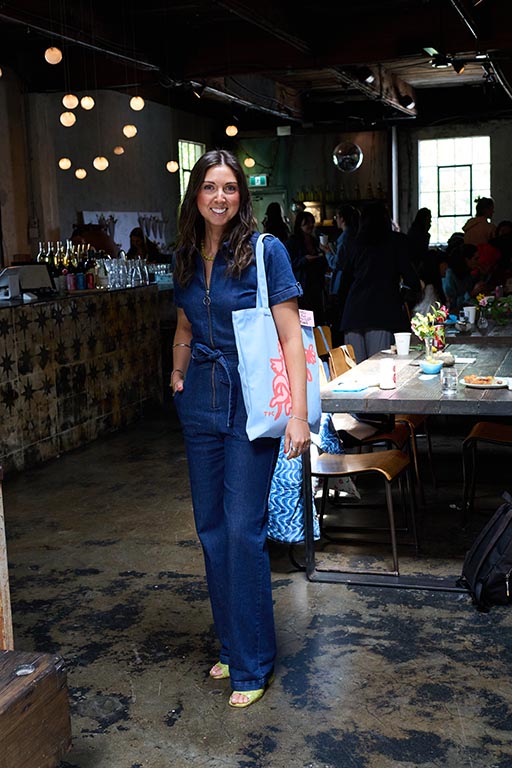
Amanda & Nikki: We state explicitly that regardless of why a particular calendar day is painful for you, our doors are open. While parental loss is the foundational pillar of what we do, we recognize that milestones like Mother’s Day are deeply complex for a multitude of reasons, from family estrangement and complicated upbringings to individuals navigating painful fertility journeys or mourning the opportunity to become mothers themselves. It is a space to honour the parents we miss, but we recognize that mourning exists in many forms.
Nikki: We also firmly acknowledge that we don’t know what we don’t know. To continuously evolve, we don’t just accept feedback, we actively seek it out. Whether through interactive social media polls or formal post-event surveys asking what was missing, we maintain a constant, open conversation with our community to ensure our platform adapts to their real needs.
In what ways has the response from the Canadian public surprised you most since launching?
Amanda: Just how stunningly universal these feelings are. It has been amazing to see how deeply people resonate with our mission long after the “early adulthood” window we initially targeted based on our own experiences. We have “motherless mothers” in their fifties and sixties expressing how much they wish a space like this existed when they were young. It proves that Mother’s Day, even decades later, remains an intricate day to navigate.
At our Motherless Day event in Toronto this year, a woman arrived at the door with her adult son halfway through the event. She had heard me speaking on CBC Radio earlier that morning, where I shared the story of losing my mom to suicide at 21. She stood in front of me at 74 years old, having just come from a traditional Mother’s Day brunch with her family, and softly shared that she, too, had lost her mother to suicide at exactly 21. For over fifty years, she had never found a constructive way to openly honour her mom on that day, and she just wanted to see what our event looked like.
I told her to not just look around, but to please come inside and join us. She spent the remainder of the evening chatting with our members, sharing her life story, listening to theirs, and finally feeling seen and comforted on a day that had been painful for over half a century.
What advice would you give to a young Canadian who has recently lost a parent and feels entirely swallowed by their grief?
Amanda & Nikki: Simply put, we would remind them that while they may be without, they are never alone, they have an entire club waiting for them.
No two grief journeys are identical, even between biological siblings navigating the exact same loss. Furthermore, no two days feel the same. The best advice we can offer is to take it entirely as it comes, completely strip away any rigid expectations around how you’re “supposed” to feel, and know that there is a warm opportunity to build new traditions, spark meaningful connections, and celebrate your parent’s memory right around the corner, whether that’s in person or digitally.
Beyond supporting individuals, do you hope the club will fundamentally shift the broader cultural conversation surrounding mortality and mental health?
Amanda: We find it incredibly strange that death remains such a rigid taboo in society when it is quite literally one of the only universal constants we all share. Birth and death are the two absolute certainties of the human experience, yet people become profoundly uncomfortable the moment loss or grief enters a conversation.
A lot of that societal discomfort comes from a well-intentioned place, people are terrified of upsetting someone or saying the wrong thing, so they opt for avoidance. But missing a parent doesn’t mean we want to erase them from conversation. We want the exact opposite.
We believe there is an immense sense of relief in radical honesty. Speaking openly about the people we’ve lost allows their presence to remain woven into our lives. That is the core of what we create at The Parentless Club: a soft landing space where no one has to dodge the hard topics, and where deep grief, beautiful memories, and roaring laughter can all comfortably coexist in the exact same room.
I’ve personally found immense healing in sharing my mom’s story with complete vulnerability, and the public response has been profound. My mom was an incredibly vibrant, charismatic, and endlessly generous soul. But she also battled Bipolar Disorder and ultimately died by suicide. That meant our relationship, while full of immense love, was also fraught with complex challenges as a young girl trying—and often failing—to understand her illness.
When I speak about her, I don’t sugarcoat the fact that life was incredibly complicated while she was here, too. People have thanked me deeply for that transparency. It gives others permission to realize it is entirely okay to mourn your parent differently than someone whose mom was their uncomplicated best friend and seamless daily phone call. It has also been an unexpected gift within my own family. My mom’s sister had passed away from an overdose many years prior, and it was a topic that was seldom discussed. My 91-year-old grandmother thanks me frequently now, because opening up these conversations has finally given her the language to process her own losses, all these years later.
What exciting new initiatives can your members look forward to in the near future?
Amanda: We intentionally started with Motherless Day and Fatherless Day because those are massive cultural milestones, but community support is required on so many other days of the year. We are actively designing workshops and events centered around year-round connection.
The winter holidays are notoriously difficult for our community as society gathers around traditional family units. We thought: Why not host a massive holiday celebration with our newfound family? We are looking into launching a major holiday event in Toronto, alongside a recurring “Recipe Club” in Vancouver around major seasonal holidays to encourage gathering, cooking, and trading family memories.
We are also designing ways to show up for our members on the days that are unique to them, like the anniversary of a parent’s passing or their birthday. We are working on collaborations with wellness brands to offer passes for regulating activities like cold plunges, sound baths, or facials on those particularly heavy days.
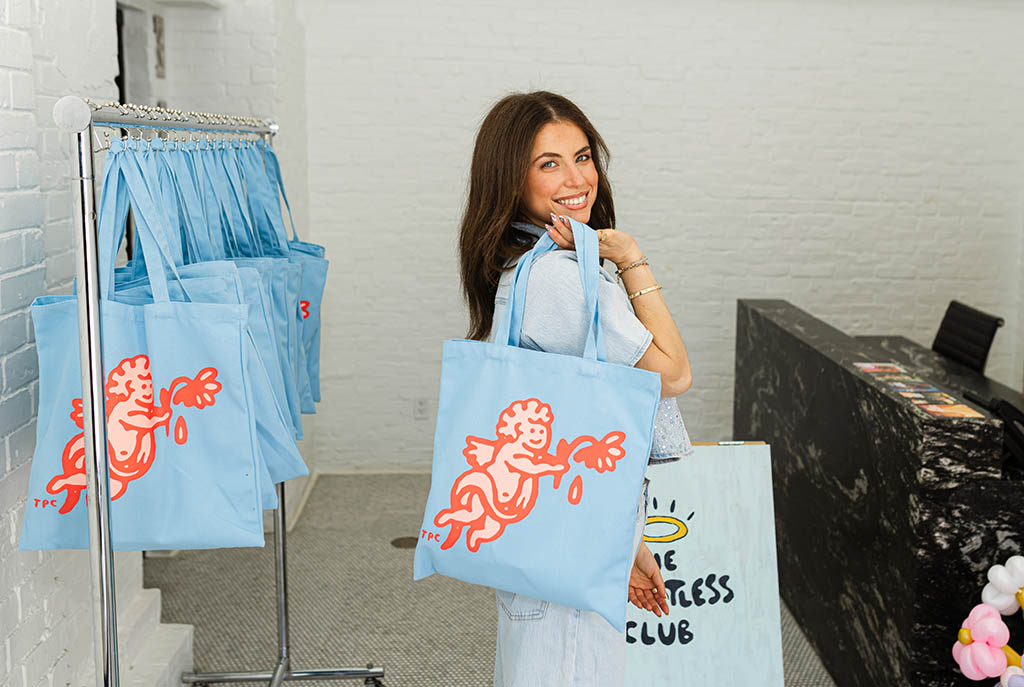
Simultaneously, we want to build out a system to securely keep track of those specific dates so we can personally check in on our members when the rest of the world might have forgotten. Beyond events, we are developing physical goods and products designed to help build comforting rituals and regulate the nervous system right from the comfort of home. Everything we do will always be to walk alongside our community—never to dictate what their healing should look like.
Finally, do you have a closing message for our readers at The Toronto Pages?
Amanda & Nikki: If even one single person reads this feature and realizes they are not the only one dreading an upcoming anniversary, Father’s Day, or Mother’s Day, then stepping forward to share our hearts was worth it. Thank you to The Toronto Pages for helping us reach them.