Giving Voice to the Pain We Cannot See
Few debut albums arrive with the emotional honesty and quiet courage of fine. From the outside, Canadian alternative artist Julie Neff appeared to be building a promising music career, earning recognition from CBC’s q, The Strombo Show and audiences across Canada and beyond. Behind the scenes, however, she was navigating the daily realities of living with endometriosis and chronic pain, experiences that would profoundly shape both her life and her songwriting.
Rather than hiding behind the familiar phrase “I’m fine,” Neff chose to confront it head-on. The result is a deeply personal twelve-track album that explores resilience, vulnerability, identity and the unseen battles so many people face every day. Through thoughtful songwriting and richly layered alternative-pop soundscapes, she transforms deeply personal experiences into stories that resonate far beyond her own.
In this exclusive interview with TorontoPages Magazine, Julie opens up about the inspiration behind fine., living with an invisible illness, redefining success, embracing vulnerability, and why authentic storytelling remains the most powerful connection an artist can make with their audience.
Your album is called fine., a word almost everyone uses without thinking. What made you choose this simple word as the title of such a deeply personal project?
“Fine” can carry so much weight depending on the way you say it. It can be dismissive, accepting, passive-aggressive, angry or sad. On this record, I’m really wrestling with admitting that I’m not fine, and that maybe I haven’t been for a while. Some of the songs also bring me back to a place of acceptance and hope. My hope is to reach that place of acceptance as I grow alongside the record, and to feel that things are truly “fine.”
You wrote this album while living with chronic illness. At what point did you decide that your health journey should become part of your music rather than something you kept private?
I have always written music as a way to process what I’m going through. Living with chronic illness has been a huge part of my life at times all-consuming, so I naturally wrote songs about it. I decided to share them in the hope of helping others who are dealing with similar challenges feel seen and understood, rather than feeling they have to hide it or believe it somehow makes them “less than.”
Endometriosis is often described as an invisible illness. What do you wish people understood about living with a condition that many can’t physically see?
I wish people understood how exhausting it is, not only the physical fatigue that comes from chronic inflammation and pain, but also the emotional fatigue of planning your life around your illness. You’re constantly weighing your options, wondering whether to say yes to something for fear you’ll have to cancel later. There’s a huge mental load that comes with that, and it can reduce the energy we have for other areas of our lives, like friendships, work or other ambitions.
Did creating fine. become a form of therapy for you, or did it sometimes make reliving those emotions even more difficult?
It was definitely therapeutic. I really had to feel my way through those emotions instead of ignoring them or worse, denying them completely. I’m glad I gave myself plenty of time after recording to work through everything before sharing it publicly. Now I’m able to enjoy the songs and appreciate how they’re being received by others.
Many artists talk about pushing through challenges. Did chronic illness ever force you to completely rethink what success and productivity mean?
All the time. Now, more than ever, artists are expected to produce content at an incredible pace—constant content, singles and an online presence. That’s pretty unsustainable for most people, but especially for someone living with chronic health issues. I’m focusing more and more on projects that feel creatively fulfilling, and I’m trying to be more patient with myself when it comes to the overall timeline. Longevity over immediacy.
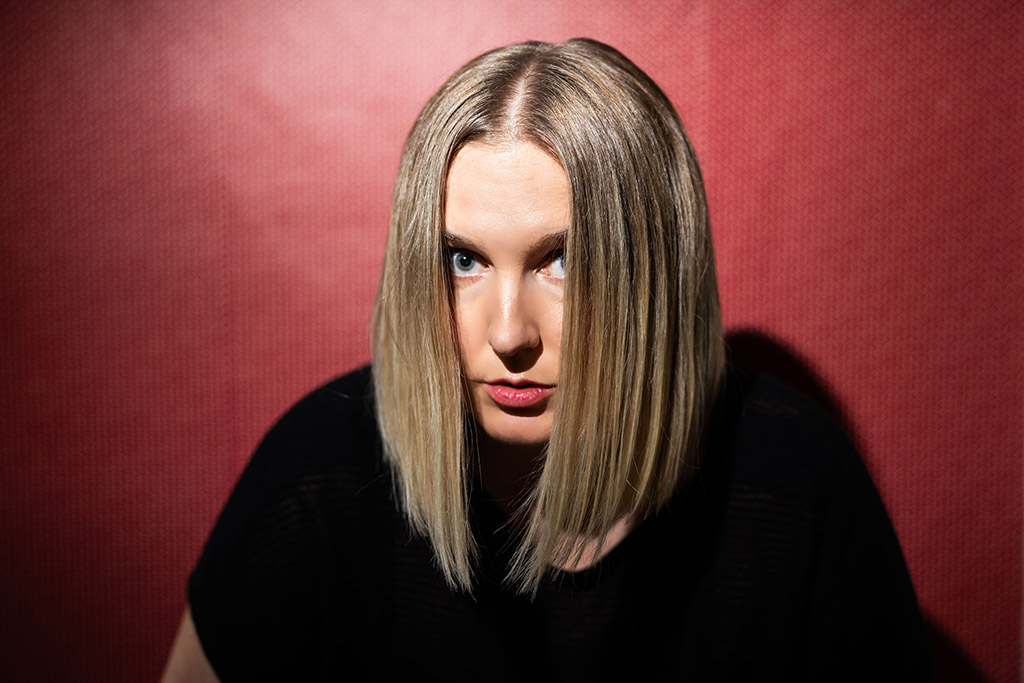
Throughout the album, there seems to be a recurring theme of vulnerability over perfection. Was there a specific moment that changed your perspective?
I don’t recall one specific moment. I think it’s something I’ve battled with my whole life. The myth of perfection has held me back from accomplishing so many things because I was afraid to even begin. These songs reflect the ongoing work I’m doing to overcome that false ideal.
The title track explores the masks people wear when they simply say, “I’m fine.” How often have you personally found yourself hiding behind those words?
All the time! Dealing with chronic pain means you’re often in public situations while you’re in pain or discomfort. It isn’t always appropriate to tell people what’s really going on, and sometimes the words “I’m fine” feel like they’re holding back the floodgates of tears that might come if you answered honestly. What I’m learning, though, is that masking the pain also comes at a cost. I’m trying to be more honest with the people close to me and to take time off when I need to rest instead of constantly pushing through.
Your music feels incredibly intimate. Do you ever worry about revealing too much of yourself through your songwriting?
Of course. It’s a very vulnerable process. For me, the goal is always to be genuine in my writing, and I’ve seen how powerful it can be when a song meets someone exactly where they are. I don’t sugar-coat things, and I don’t add an arbitrary silver lining. Yes, that might expose me a little, but I know there are people struggling with the same things, and it helps them to hear a song that honestly reflects those experiences.
The album touches on chronic illness, heartbreak, anxiety, nostalgia and healing. Which song was the most emotionally challenging to write?
“I’m So Tired” immediately comes to mind. It was written during one of the lowest points in my life, when I was questioning whether I should continue making music and life felt pretty empty. It’s been amazing to see it become one of the audience favourites at my shows, with people singing “I’m so tired” back to me. It feels like a shared moment of catharsis.
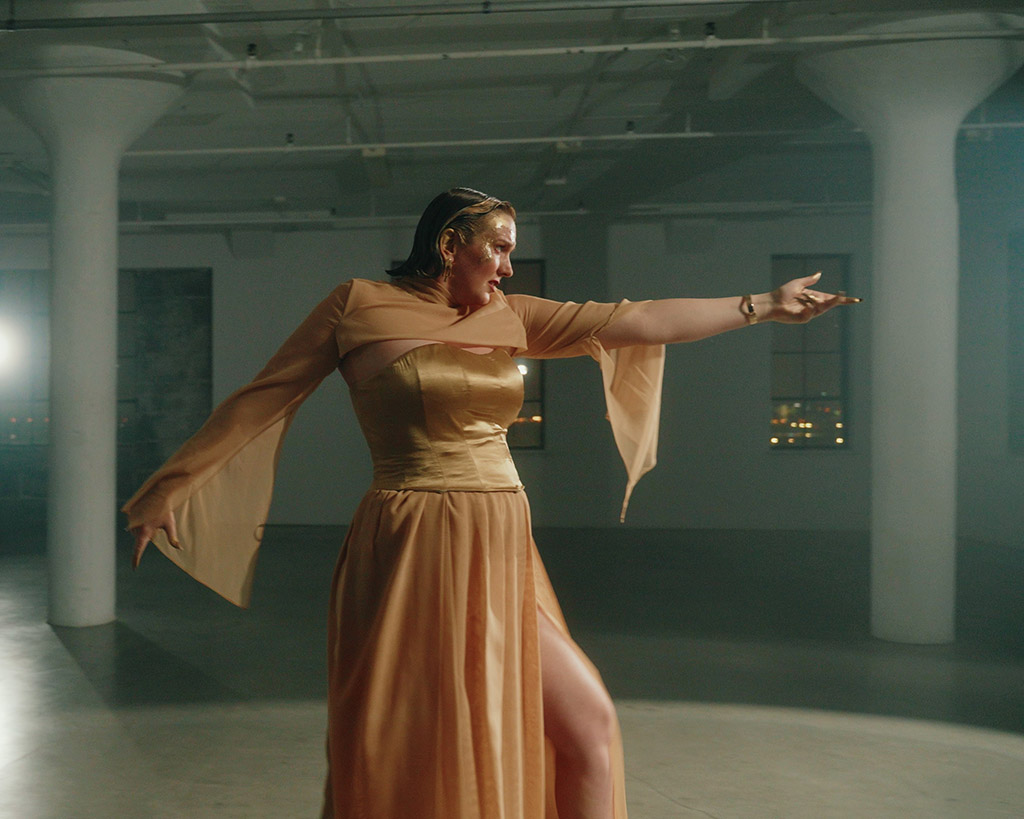
Your focus track, “SOMETHING,” captures the uncertainty of undefined relationships. Why do you think so many people find themselves trapped in emotional grey areas today?
I think modern dating is incredibly difficult. People often feel there are hundreds, if not thousands, of options available, which can make them indecisive and non-committal. Everyone wants connection, but I think we’ve lost many of the skills needed to build meaningful relationships, and we’ve developed a distorted idea of what a healthy relationship should look like. Sometimes we ignore the signs or avoid asking for clarity because, deep down, we’re afraid of the answer
One of the most striking aspects of fine. is that it doesn’t try to offer neat, happy endings. Why was it important to leave some questions unanswered?
In my experience, when I was at my lowest, nothing was less helpful than toxic positivity. In fact, it often pushed me even deeper. What I needed was someone to meet me where I was, to let me feel those emotions and slowly begin to heal. I think we do people a disservice when we try to wrap everything up with a neat bow that simply doesn’t exist yet.
You’ve described the album as embracing complexity. Do you think audiences today are becoming more open to honest, imperfect stories?
Yes, I do. I think people are tired of seeing carefully curated perfection online, especially when their own day-to-day lives are anything but perfect.
How has living with chronic pain changed the way you approach performing live?
It definitely makes things more complicated. I have to be selective about the shows I take on and how frequently I perform. It’s not just the physical demands of performing, it’s also the work involved in promoting and selling a show these days, which can be incredibly draining. That said, the performances that give me the most life are either those with a full band or completely acoustic, intimate shows where the audience and I can genuinely connect and have a conversation throughout.
You’ve toured internationally. Have audiences in different countries connected with your music in different ways, or do you find these emotions to be universal?
I think so many of these experiences are universal. People may not understand every lyric, but I believe a lot of meaning can be communicated through the voice alone.
Working with producer Cris Botarelli, what new possibilities did you discover that perhaps weren’t there in your earlier work?
Cris is an incredibly talented and creative musician and producer. Working with her taught me how to integrate different instrumentation into the production of a song. For example, we brought in Brazilian percussionist Lara Klaus to perform alongside a traditional drummer. That really expanded the emotional tapestry of the music. Before this project, I hadn’t fully appreciated the depth percussion could add, not only through the musician’s skill but also through the instruments themselves. Much of Brazilian percussion is made from dried plants and other organic materials, giving it an incredible range of sonic textures.
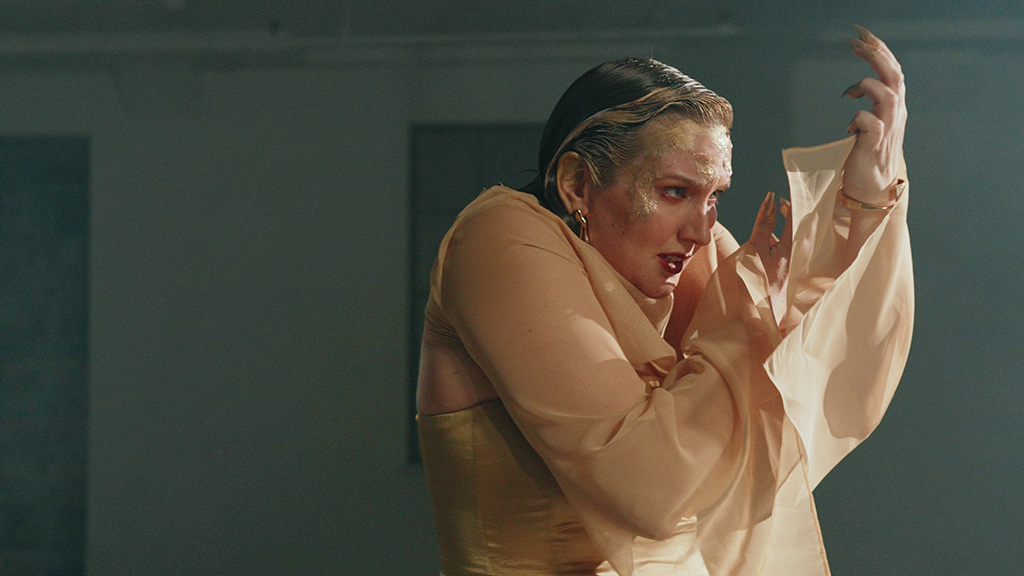
Your influences range from Feist and Frank Ocean to Stromae and Alt-J. How do you balance inspiration from others while maintaining your own artistic identity?
Variety is the spice of life. I listen to many different styles of music, but I tend to connect with the elements that interest me most. The reference playlist I created for this album focused heavily on vocal production, percussion and rhythmic textures. I worked hard to develop my own taste in production and musical style. From there, I let the songs guide the production choices, and that usually aligns naturally with who I am as an artist. I think artistic identity is something I’m still growing into, and I’m sure it will continue to evolve over the years.
When listeners finish fine., what emotion or thought do you hope stays with them the longest?
Hope. I want people to know they’re not alone in whatever they’re going through, and that it’s worth continuing to move forward.
Many people living with chronic illness struggle with feeling unseen. What conversations do you hope this album starts beyond the music itself?
I hope this album sparks more conversations about our healthcare system and the way women’s pain is too often dismissed. So many women I’ve spoken to have suffered for years because they were either ignored or because there simply isn’t enough research into women’s health to provide effective treatment. It’s time to bring women’s healthcare fully into the 21st century.
You have been featured by CBC’s q and The Strombo Show, and your audience continues to grow. Has success changed your creative process in any way, or do you still write from the same place?
It hasn’t changed my creative process at all. If anything, it encourages me to keep going, but I still write the songs I need to write. I try not to worry too much about the commercial success of the work.
If you could describe fine. in just three words, what would they be, and why?
Strong. Sad. Sincere.
I think there’s a wide range of emotion throughout the album, and all of it is genuine. I’m giving myself more permission to feel everything, and I hope listeners feel that too.
Finally, your message for our readers at TorontoPages magazine.
Thank you so much for taking the time to interview me about this project. I’m excited for your readers to discover the album and, hopefully, connect with it. You can also connect with me on Instagram @julieneffmusic to see the album’s visuals and stay up to date with upcoming releases and news.