Using His Voice to Unite, Inspire and Make a Difference
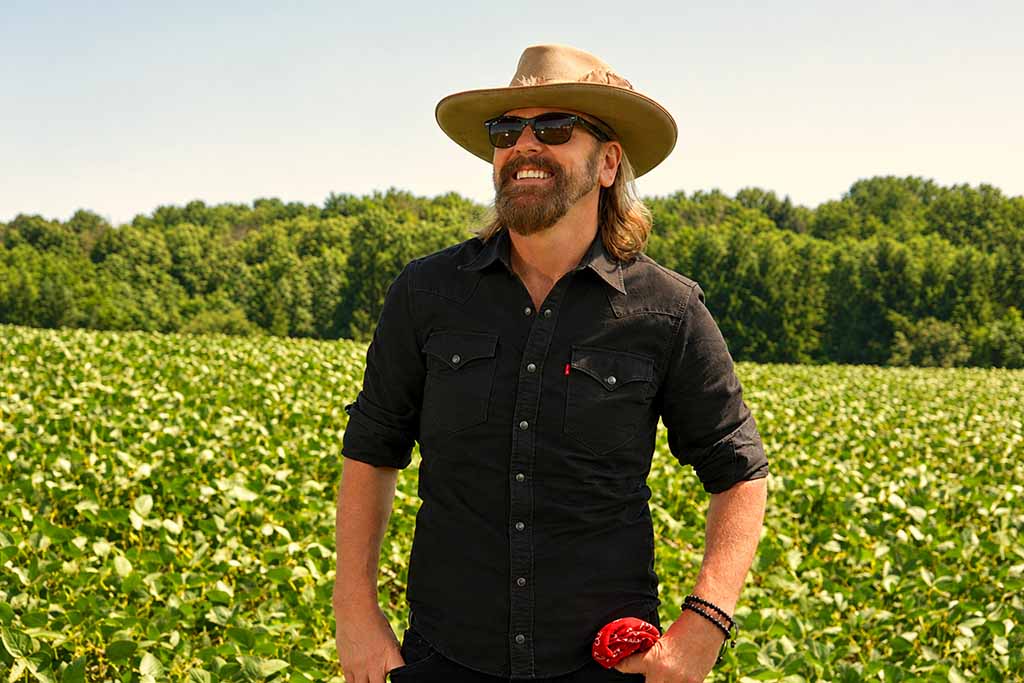
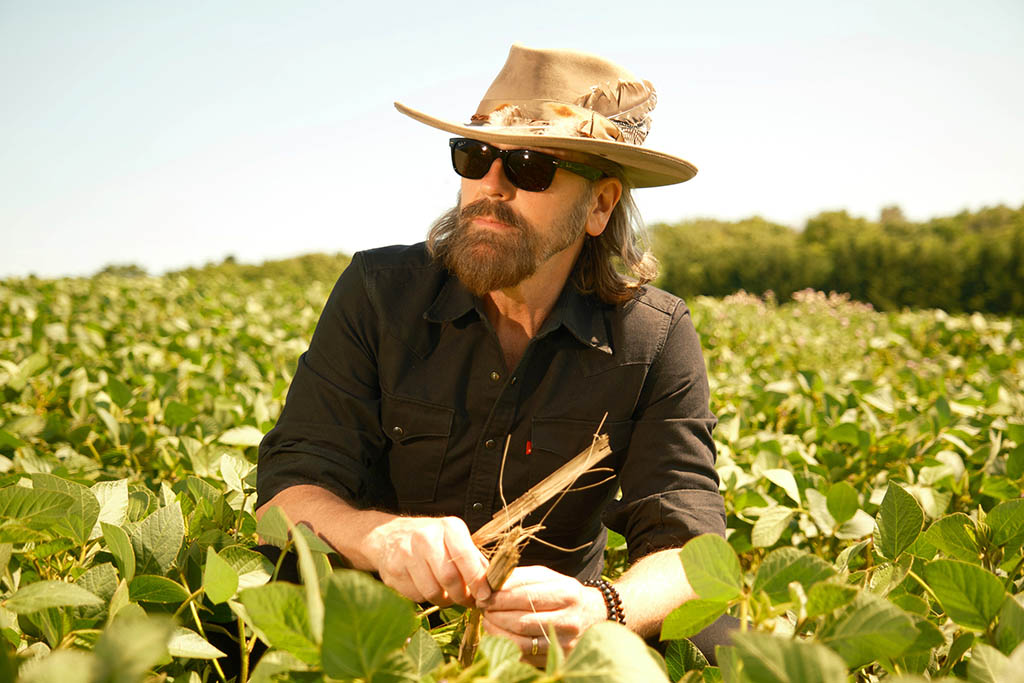
For more than three decades, Jason McCoy has been one of the most recognizable voices in Canadian country music. An award-winning singer, songwriter, broadcaster and frontman of The Road Hammers, McCoy has built a career defined not only by chart success and major industry honours, but also by a deep commitment to storytelling, community and connection.
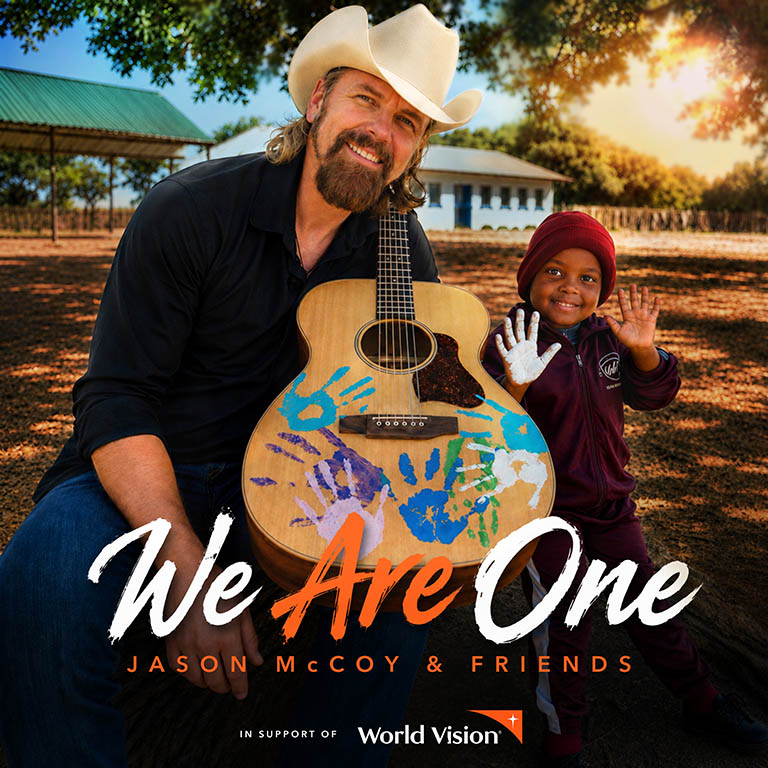
That sense of purpose has taken on new meaning through his work with World Vision Canada. Following a recent journey to Zimbabwe, where he witnessed firsthand the realities facing children and families, McCoy returned home with a renewed determination to use his platform in a meaningful way. The experience helped inspire a new chapter for “We Are One,” a song originally created during the pandemic and now reimagined with Michelle Wright, the Harlem Gospel Choir and an all-star lineup of Canadian artists.
In this exclusive conversation with TorontoPages, McCoy reflects on meeting the child he sponsors, the dignity and resilience he witnessed in Zimbabwe, and the responsibility artists have to amplify important stories. He also opens up about The Great Canadian Roadtrip, his evolving definition of success, and why, after decades in the industry, he remains inspired by the power of music to bring people together.
Jason, you have supported World Vision for more than two decades and have visited communities in several countries. What felt different about this recent journey to Zimbabwe?
This was the first time I’d sponsored a child before actually travelling to the region. That changed everything. Suddenly, Zimbabwe wasn’t just a destination; it was Michael’s home. I had so many questions about his life, his family, what his days looked like and what challenges he faced. There was a real sense of anticipation, and by the time we arrived, I already felt a personal connection.
Was there one person, family or moment in Zimbabwe that has stayed with you most strongly since returning home?
Of course, the child we sponsor, Michael, will always hold a special place in our hearts, but honestly, it was the people of Zimbabwe in general who left the biggest impression. There was music, laughter, smiling and affection woven into everyday life. It was infectious! Despite challenges most of us can’t imagine, there was this incredible sense of joy and community. I’ve never experienced anything quite like it.
When you witness the realities facing children and families firsthand, how do you process those experiences once you return to your own everyday life?
I think we in the West tend to imagine these places as being defined by sadness and hardship. And yes, the challenges are real, but that’s not what defines the people. It’s their joy, resilience and love for one another. They don’t need us to teach them how to be happy. They need access to the basics: clean water, healthcare, education, safety and opportunity. Give people the tools and a fighting chance, and it’s amazing what they can accomplish. It’s humbling, and it certainly changes your perspective on what really matters.
World Vision’s work in Zimbabwe includes projects involving clean water, sanitation, community gardens and opportunities for families to build sustainable livelihoods. Which aspects of that work made the greatest impression on you?
We had the opportunity to see all of these projects firsthand, and the impact was incredible. We’ve all heard stories of people walking kilometres to collect dirty water, but standing there and actually seeing that reality is something else. Then you see what happens when a community gains access to clean water, sustainable food sources and basic infrastructure. It’s not just about survival anymore. It’s about dignity, independence and having the time and opportunity to build a future. These are practical solutions that change lives for generations.
Artists are natural storytellers. After Zimbabwe, did you feel a greater responsibility to use your voice not only to entertain, but also to tell stories that might otherwise go unheard?
Absolutely. I’ve spent my life telling stories through songs, but some stories deserve a much bigger stage than anything I could write about myself. I have a microphone, an audience and a platform, and that comes with an opportunity to do some good. The people we met don’t need me to speak for them, but if I can help amplify their stories and connect Canadians with their reality, that’s a pretty meaningful use of whatever influence I’ve been fortunate enough to have.
“We Are One” carries a message of connection, hope and collective action. What did those words mean to you personally after meeting families in Zimbabwe?
It really reinforced something I’ve believed for a long time: we’re far more alike than we are different. Different countries, cultures and circumstances, but we all love our families, worry about our kids and want a better tomorrow. Meeting Michael and his community made those words very real. Geography might separate us, but humanity connects us. And when one of us has the ability to help another, I believe we have a responsibility to do it.
The song itself has roots in an earlier “We Are One” collaboration created by you and Jim Payetta during the pandemic. How has the Zimbabwe experience given that message a new meaning for you today?
Jim and I originally created “We Are One” during COVID, when the world was isolated and people desperately needed connection. The song supported the Unison Fund and our own music community. Now, after Zimbabwe, that same message has taken on a much broader meaning. We’ve rewritten part of the song to reflect that experience. What started as a message about standing together through a pandemic has become a reminder that our responsibility to one another doesn’t stop at our borders.
The recording brings together artists from different musical backgrounds alongside the Harlem Gospel Choir. What did that collective of voices add to the emotion and meaning of the song?
There’s something powerful about hearing voices from different backgrounds come together around one message. The Harlem Gospel Choir brought this incredible spirit and emotion to the recording, and the Canadian artists each brought their own personality and heart. Nobody’s trying to outshine anybody. That’s really the beauty of it. The song is called “We Are One,” and the recording itself demonstrates exactly what that means: different voices, one purpose.
With a project centred on vulnerable children and families, how do you make sure the message remains about the people and their dignity rather than about the artists involved?
By remembering who the real stars are. It’s not us. It’s the families and communities doing the hard work every day to create better lives for themselves. We’re simply using music to draw attention to their stories. I don’t want people to come away thinking about how generous the artists are. I want them thinking about Michael, about the children we’ve met and about what we can accomplish together when we give people an opportunity.
You have seen humanitarian work firsthand over many years. Has your understanding of what genuinely creates lasting change evolved since your first World Vision trip?
Definitely. Early on, I think I viewed humanitarian work largely as helping people in need. Today, I see it much more as investing in people’s potential. There’s a huge difference between giving someone something and giving them the tools to provide for themselves. Clean water, education, agriculture and healthcare create a foundation that communities can build on long after we’ve gone home. The goal isn’t dependency. It’s empowerment. That’s what lasting change looks like.
For someone who sees a campaign like this and feels compassion but wonders whether one person can really make a difference, what would you tell them based on what you have witnessed yourself?
I’d tell them I’ve met the difference! I’ve seen the children, families and communities whose lives have changed because someone thousands of kilometres away decided to help. We sometimes get overwhelmed by the size of the world’s problems and convince ourselves our contribution won’t matter. But to one child or one family, it can mean absolutely everything. You don’t have to change the whole world. Just change somebody’s world.
You, Michelle Wright and Doc Walker are also taking The Great Canadian Roadtrip back across Canada this fall, with World Vision once again connected to the tour. How has that shared purpose changed the experience of touring together?
We’ve always had a great time performing together, but having World Vision involved gives the tour another layer of purpose. Michelle shares that passion for humanitarian work, and we’ve had the privilege of seeing its impact firsthand. We get to travel across this incredible country, share music and laughter, and hopefully inspire people to make a difference along the way. It’s pretty special when you can leave a show knowing the audience had a great night, but also that something meaningful might come from it.
The Great Canadian Roadtrip is intentionally acoustic and story-driven. After decades of large stages and full productions, what do you enjoy about stripping the music back to the song, the story and the audience?
There’s nowhere to hide, and I love that! When you strip away the big production, you’re left with the things that made us fall in love with music in the first place: a great song, a good story and a connection with the audience. It’s spontaneous, it’s funny and every night is a little different. Some of my favourite moments happen between the songs. After all these years, it’s refreshing to be reminded that sometimes less really is more.
After three years of touring together, what have you learned about Michelle Wright and Doc Walker that audiences might never see from their public personas?
Well, I’ve learned that we’re probably all a little less mature than our careers would suggest! There’s a lot of laughter and good-natured ribbing behind the scenes. But what I appreciate most is how genuine everybody is. Michelle is incredibly gracious and passionate about what she believes in, and the Doc Walker guys are just good, down-to-earth people. There’s no competition or ego on that stage. We’re friends who genuinely enjoy making music together, and I think audiences can feel that.
You have also recorded “The Great Canadian Roadtrip Rides Again” specifically for the audiences who have followed these shows. What is it about this particular tour that inspired you to create a song around it?
This tour has developed a personality of its own! What started as three acts sharing a stage has become this travelling celebration of Canadian country music, friendship and storytelling. The audiences have really embraced it, and we wanted to give them something that belonged specifically to this experience. “The Great Canadian Roadtrip Rides Again” is a bit of a musical postcard from all of us. It’s fun, it’s Canadian, and it celebrates the fact that we’re still out here doing what we love – 100% Canadian!
You were inducted into the Canadian Country Music Hall of Fame. At this stage of your career, are milestones and awards still meaningful, or has your definition of success become something much more personal?
Being inducted into the Hall of Fame was an incredible honour, especially when I think about the artists who inspired me and the people who helped me along the way. But as you get older, your definition of success definitely changes. Awards are wonderful, but they don’t sit around the dinner table with you. These days, I think more about family, friendships, the relationships I’ve built and whether I’ve used my time and opportunities wisely. I’m grateful for the career, but increasingly aware that the most important things in life have nothing to do with music.
After so many years of recording, songwriting and touring, what are you still curious about as an artist? What do you feel you have not explored yet?
I’m still fascinated by the power of a song to connect people. After all these years, it amazes me that three minutes of music can make somebody laugh, cry, remember or even change their perspective. I’m also increasingly interested in storytelling beyond music, whether that’s documentary filmmaking, mentoring younger artists or using entertainment to bring attention to something worthwhile. I don’t necessarily need a bigger stage anymore. I’m more interested in what I can do with the stage I already have.
Your message for us at TorontoPages magazine.
First, thank you for taking an interest in this project and helping us share these stories. I hope people will take a few minutes to listen to “We Are One,” learn about the work World Vision is doing and consider becoming part of it. I’ve been fortunate enough to see firsthand what a little compassion and generosity can accomplish. We’re all connected in ways we sometimes forget, and we all have something to give. You don’t have to be wealthy, famous or extraordinary to make a difference. You just have to care enough to start.