How Stress Impacts Skin and What to Do About It
Ever notice how your skin tends to act up right before a big event, during a stressful family trip, or after a chaotic work week? That’s not your imagination. Studies have shown that emotional stress can directly influence your skin, making it itch, break out, flare up, or feel more sensitive than usual. In fact, the skin and the mind are deeply connected, and this fascinating link forms the foundation of a growing field called psychodermatology.
As we head into the vibrant (and sometimes overwhelming) pace of August in Toronto filled with festivals, cottage weekends, packed patios, and back-to-school pressures, it’s not uncommon for people to find themselves dealing with skin flare-ups they thought they had under control. Whether it’s a sudden acne breakout, a patch of eczema, or psoriasis that seems to return with a vengeance, there’s a good chance stress is playing a role. But the good news is: with awareness, strategy, and science, you can take back control.
Let’s explore what psychodermatology is, why it matters now more than ever, and how you can protect your skin by caring for both your body and your mind.
What Is Psychodermatology?
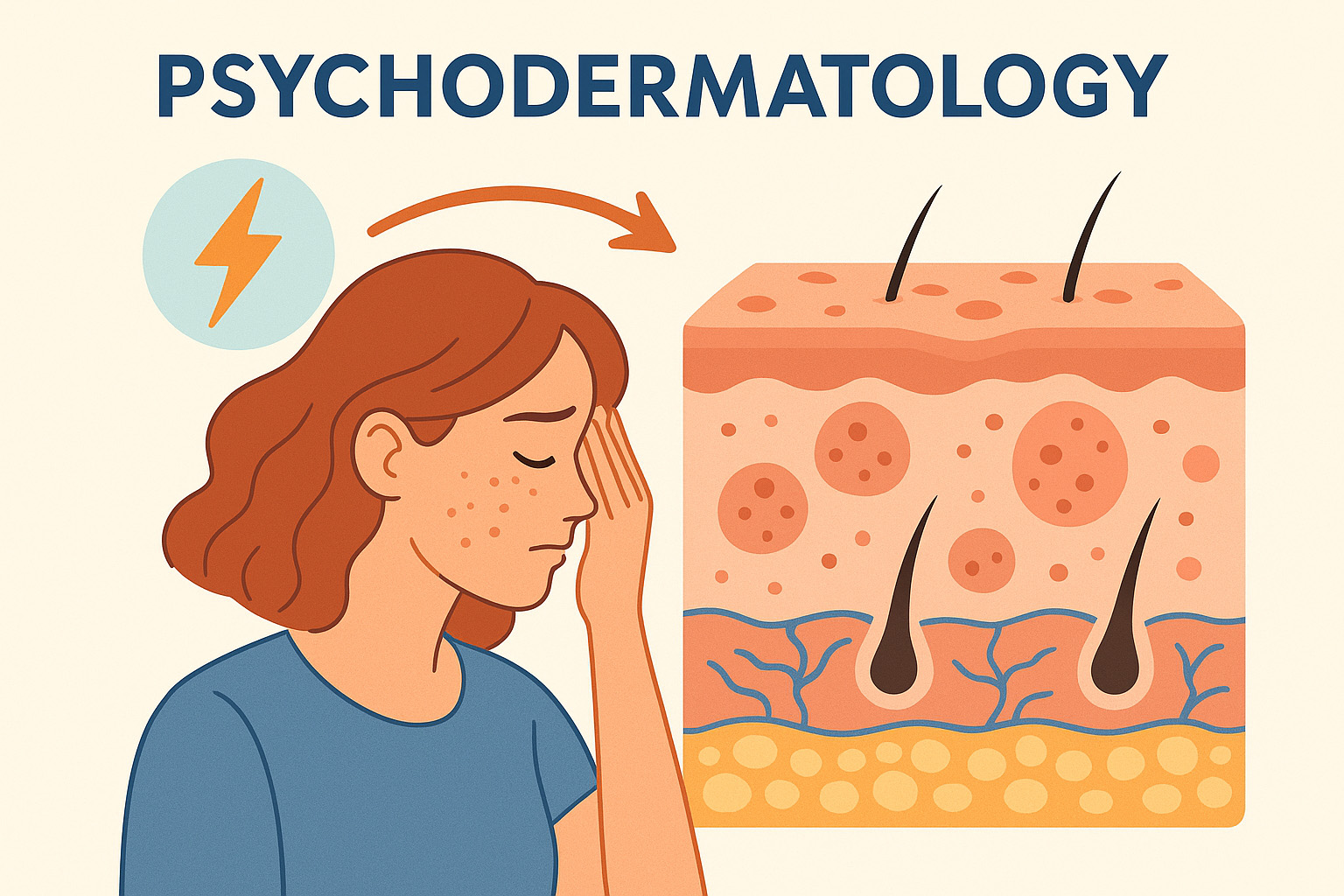
Psychodermatology is the study of how the mind and emotions impact the health of our skin. This area bridges dermatology with psychology and psychiatry, recognizing that skin is not just a physical barrier, it’s also an emotional one.
The connection begins in the womb. Both the skin and the brain come from the same layer of embryonic cells, which may explain why they stay so closely linked throughout life. The skin is covered in nerve endings and reacts quickly to changes in the nervous system, including those triggered by anxiety, stress, or depression.
This is why flare-ups in conditions like acne, eczema, rosacea, psoriasis, and even hives often appear during stressful times, even when diet, skincare, and other lifestyle factors seem stable.
How Stress Shows Up on Your Skin
When you’re stressed, your body releases cortisol, a hormone that prepares your body for “fight or flight.” While useful in emergencies, chronically high cortisol can disrupt hormone balance, reduce skin’s ability to heal, and increase oil production leading to clogged pores and inflammation.
Stress also affects the skin barrier, making it weaker and more prone to irritation, dryness, and infections. For people who already live with inflammatory skin conditions, this creates a perfect storm.
Here’s how stress may show up:
- Breakouts or acne worsening (especially around the jawline and cheeks)
- Itchy or flaring eczema patches
- Redness and sensitivity in rosacea
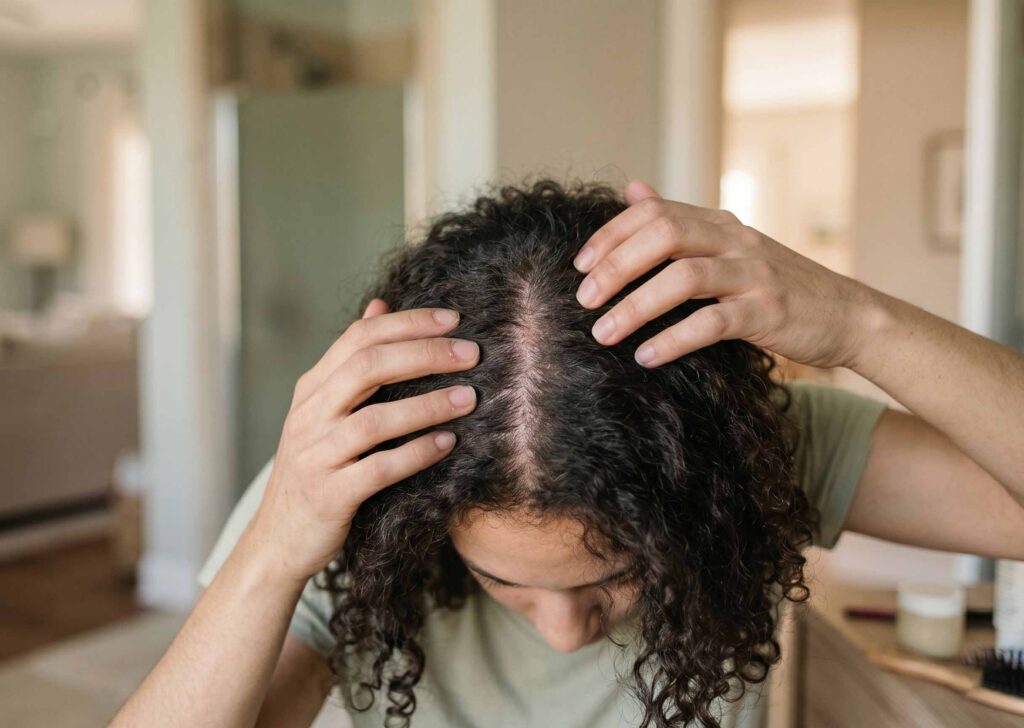
- Increased shedding or thinning of hair
- Nail picking, skin picking, or scratching due to anxiety
- You may not even feel the stress overtly but your skin remembers.
What You Can Do About It
We can’t eliminate all stress especially during a busy Toronto summer filled with social commitments, work pressure, and long travel days. But we can build resilience for both the mind and the skin. Here’s how:
1. Keep a Skin & Stress Diary
Start by tracking your flare-ups alongside your stress levels. Did your eczema patch return after a stressful meeting? Did a breakout follow a few nights of poor sleep? These notes can help connect emotional triggers to physical symptoms. Many of my patients find this simple practice empowering and eye-opening.
2. Simplify Your Skincare Routine
When your skin is reacting to stress, more products are not always better. Overdoing exfoliants or introducing new actives during a flare-up can do more harm than good. Focus on barrier repair and calming ingredients:
- Look for ceramides, niacinamide, panthenol, and aloe vera
- Avoid heavy fragrances or new actives during high-stress periods
- Stick to gentle cleansing and rich moisturizing
3. Prioritize Quality Sleep
Lack of sleep increases cortisol, weakens skin barrier function, and delays healing. Aim for 7-8 hours of quality sleep. Wind down by turning off screens early, keeping your room cool and dark, and avoiding late-night caffeine.

4. Breathe First, React Later
Try quick mind-body resets to reduce nervous system overload:
- Deep belly breathing for 2-3 minutes before bed or during your commute
- A short meditation app or calming playlist before your skincare routine
- Stretching or yoga to bring down inflammation naturally
You don’t need an hour-long ritual. A few intentional minutes each day can help break the stress-skin cycle.
5. Explore Integrative Care
If your skin conditions are chronic and linked to anxiety or emotional distress, don’t hesitate to speak with a healthcare provider about integrative care. Cognitive behavioural therapy (CBT), mindfulness training, and even low-dose medications have been shown to support patients with skin conditions linked to psychological stress.
In fact, some dermatology clinics now work alongside mental health providers – a true psychodermatology approach to treat the full person, not just the skin.

As a dermatologist, I often tell my patients: Your skin is not just a mirror of your health, it’s also a canvas for your emotions. Understanding that link helps us be more compassionate with ourselves during tough moments. In this busy August season, let your skincare be more than just surface-level. Let it be an act of emotional care, too.
Whether you’re managing flare-ups or simply trying to build a calmer routine, remember: your skin is listening. So speak to it gently. Take a deep breath, and start there.