Empowering Women to Build Stronger Bodies, Better Habits, and Healthier Lives
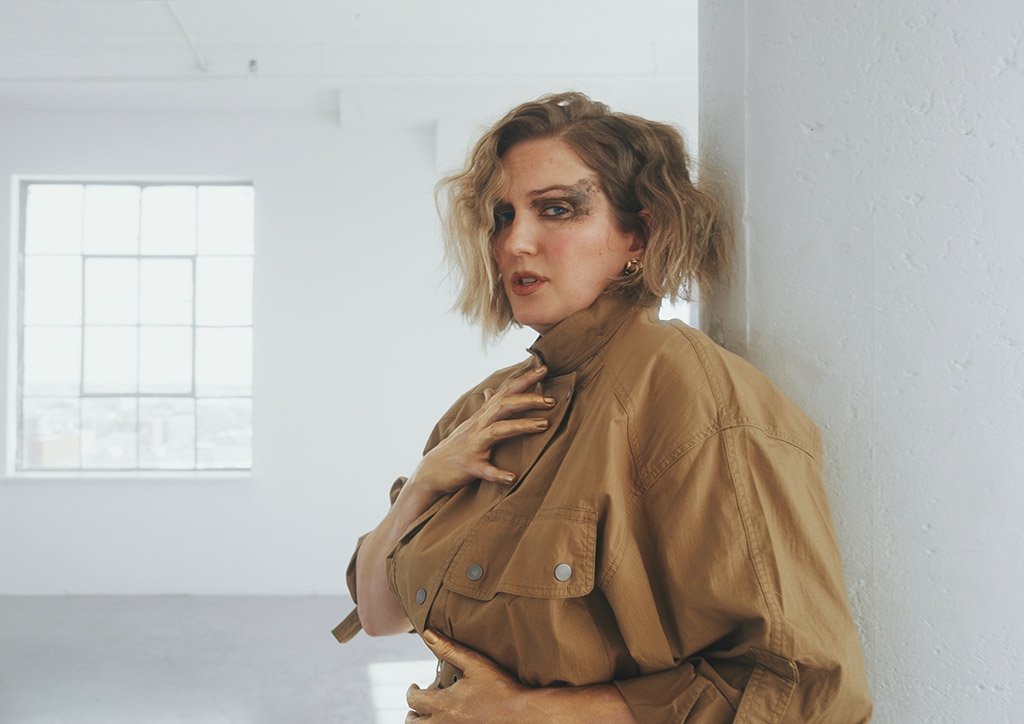
In a world overflowing with nutrition trends, wellness shortcuts, and conflicting advice, finding guidance rooted in science, sustainability, and real-life practicality has never been more important. For many women navigating weight management, hormonal health, and the demands of modern life, the journey to wellness can often feel overwhelming. This issue, TorontoPages Magazine is proud to feature Zoha Matin – founder of Zo the Nutritionist Inc. not only in an exclusive interview but also as our cover feature, recognizing her growing impact in the health and wellness space.
With advanced academic training in Human Nutrition and a professional philosophy grounded in evidence-based practice, Zoha has built a reputation for helping clients move beyond restrictive dieting and toward lasting lifestyle transformation. Having lived and worked between Toronto and Karachi, she brings a culturally informed and highly personalized perspective to nutrition, emphasizing consistency, mindset, and practical systems over unrealistic quick fixes. Her passion for women’s health and sustainable fat loss has empowered countless clients to feel healthier, stronger, and more confident.
In this exclusive conversation, Zoha shares her journey, professional insights, and honest perspectives on nutrition myths, hormonal health, sustainable weight loss, and building habits that truly last.

Tell us about yourself and your journey into nutrition and wellness.
I am a nutritionist and founder of Zo the Nutritionist Inc., and at the heart of my work is helping people truly transform their habits, energy, and bodies. My journey started with a strong interest in health from a young age, but over time, I realized that nutrition is not just about food, it is about mindset, habits, and how you take care of yourself daily. That realization shaped everything I do today. I now help clients build a lifestyle that feels aligned, sustainable, and empowering, so they can feel confident, energized, and in control of their health.
What first inspired your interest in helping others?
I was always fascinated by how diet impacts health, but what really inspired me was seeing how frustrated people felt. They were trying, putting in effort, but not seeing results. That stayed with me. I wanted to understand how to make this process feel easier and more achievable. Now, I focus on helping people simplify everything and build systems that actually support them, so they can finally stop struggling and see real progress.
How did your education shape your philosophy?
I have a bachelor’s and a master’s degree in nutrition. My education gave me a very strong scientific foundation, but it also taught me that information alone does not create change. You can understand nutrition perfectly and still struggle. That is why my philosophy now combines science with behaviour change, helping clients not just know what to do, but actually do it too.
What were some valuable lessons from McGill University?
My time at McGill gave me a much deeper understanding of how the human body functions, along with the ability to critically evaluate research. In today’s world, where there is so much conflicting information, that training allows me to interpret scientific studies accurately and translate them into practical, reliable guidance for my clients.
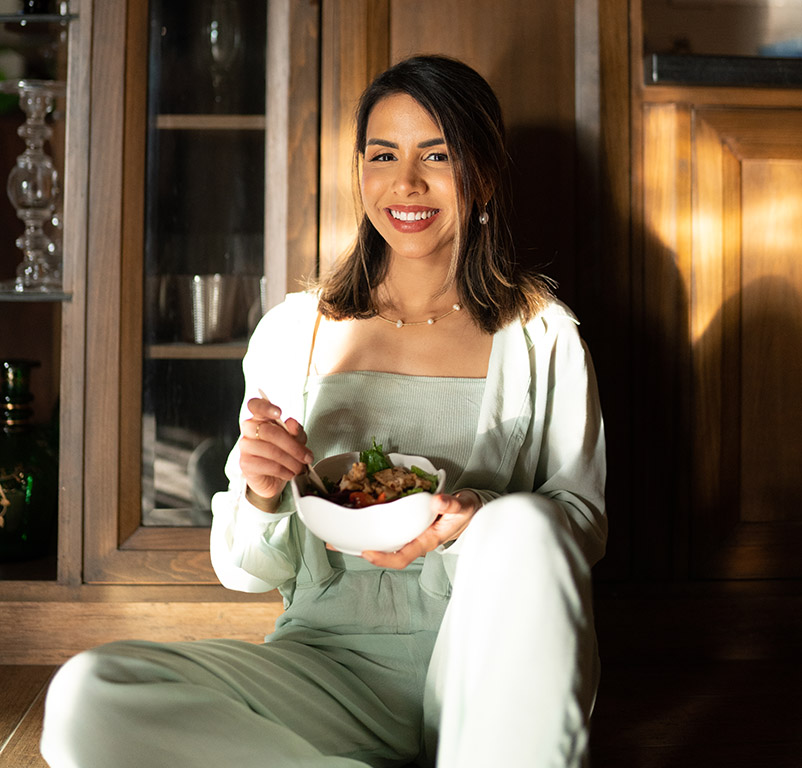
How has living between Toronto and Karachi influenced your perspective?
Living and working in two very different environments showed me just how deeply food is connected to culture, family, and lifestyle. It made me realize that there is no single “perfect” way to eat that works for everyone. The most effective approach is one that fits into your unique, real life, and that is where personalization of the plan makes all the difference.
Why focus on women’s health and weight management?
Women often face complex physiological and lifestyle challenges that are not adequately addressed by generalized advice. A large majority of the research that exists right now is done only on men. I have made it a point to dig deeper into the research for women specifically, and I wanted to create a space where women’s challenges are understood and addressed with precision.
What are some common health challenges women face today?
Common challenges include inconsistency, lack of structure, hormonal imbalances, and information overload.
How can women navigate conflicting health advice?
The most reliable way to navigate conflicting advice is to look at the qualifications and training behind the information. Seek guidance from professionals with formal education in nutrition and dietetics who prioritize evidence-based recommendations.

What are the biggest misconceptions about weight loss?
That it requires extreme restriction or perfection.
Why do sustainable changes work better than quick fixes?
Quick-fix diets never work. Sustainable change is the only way, and it needs to work with your lifestyle and your reality. When a plan feels manageable and easy to follow, it naturally becomes something you can repeat, and that is what builds consistency.
Consistency is the only way to drive and maintain results.
How do you work with frustrated clients?
I explain to them that the dietary approaches they were following were probably not realistic for them, and that we can create a personalized, repeatable system together that actually works. I am very confident in my ability to do this after more than 10 years in practice and working with hundreds of clients to achieve transformation.
You often promote science-backed wellness. Why is evidence-based coaching so important in today’s social media era?
Evidence-based coaching ensures accuracy, safety, and effectiveness in an environment where misinformation is common.
What role does mindset play in achieving long-term health goals?
Mindset is fundamental to behaviour change and long-term success. One of the most important shifts is moving away from an all-or-nothing mindset. Many people feel that if they are not doing everything perfectly, they are failing, and that leads to inconsistency. Instead, I focus on building habits with my clients that can be repeated even on busy or imperfect days.
Another key shift is viewing health as a long-term investment rather than a short-term outcome. When people stop chasing quick results and instead prioritize sustainable progress, their actions become more aligned and consistent.
Lastly, developing self-awareness is essential. Understanding your patterns, triggers, and habits allows you to make more intentional and informed decisions.
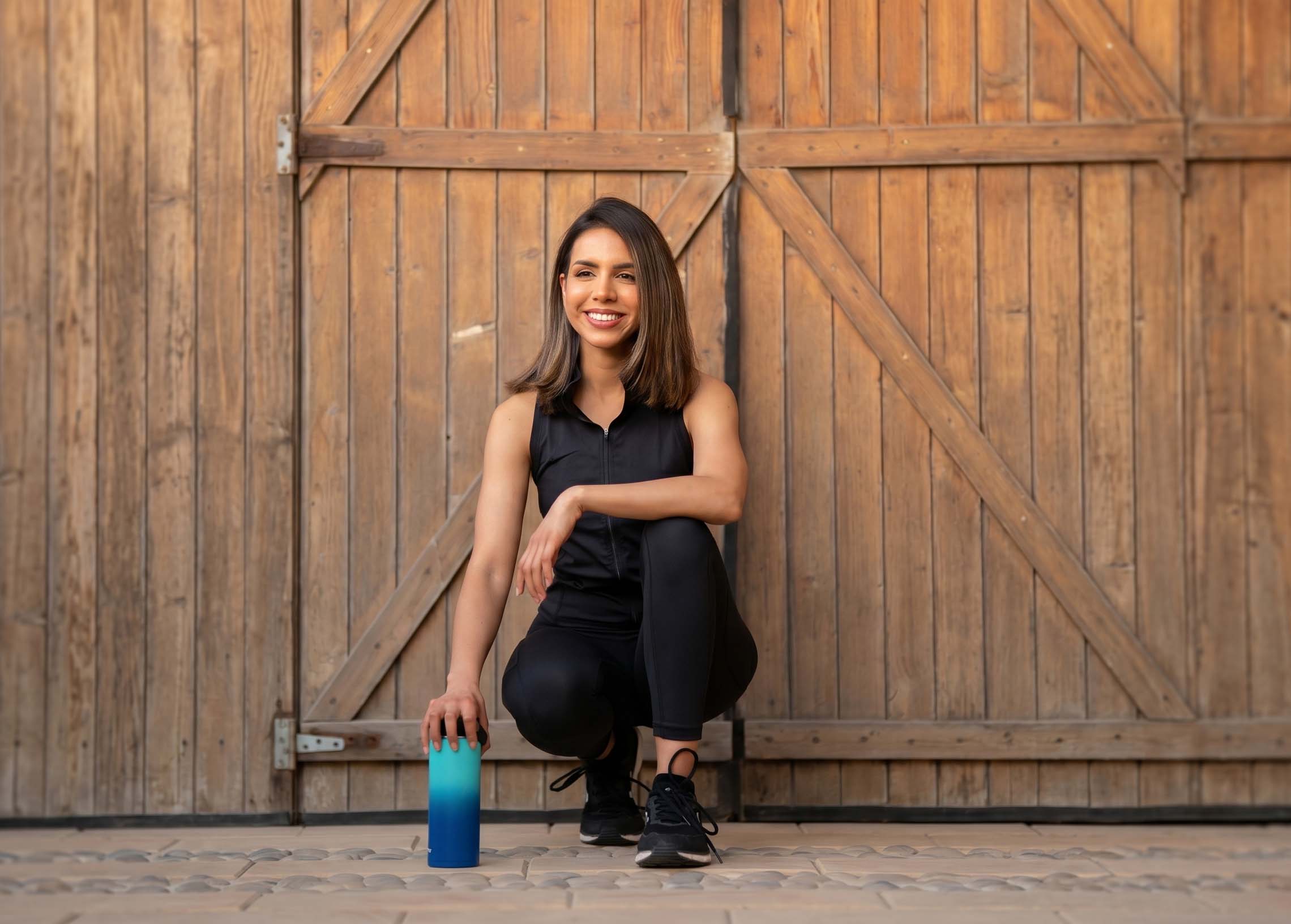
How important are strength training and movement alongside proper nutrition for women?
They are absolutely essential for metabolic health, body composition, and overall well-being.
What advice would you give to busy professional women who struggle to prioritize healthy eating?
You do not need more time, you need better systems.
Hormonal health has become a major topic recently. How closely are nutrition and hormones connected?
Nutrition and hormones are closely interconnected, with diet playing a key role in regulating metabolic and hormonal function.
For women dealing with PCOS, insulin resistance, or metabolic concerns, where should they start?
Speak with a professional who can properly guide you. Understanding blood sugar regulation through diet and lifestyle is important, as it has a significant impact.
What are some simple nutrition habits that can create the biggest positive impact over time?
Focus on including a good amount of protein in every meal and snack.
What is next for you professionally?
I am excited to continue expanding my one-on-one coaching, which is a high-touch, supportive environment where clients transform their habits, knowledge, mindset, and overall lifestyle.
I am also launching a new program called the Fat Loss Accountability Club, and this is something I know so many people need. Most people do not need another meal plan or more information, they already know what to do. The real challenge is staying consistent, especially with busy schedules, low motivation, or feeling overwhelmed. This program is designed to support you through that. With regular check-ins, structure, and real human accountability, it becomes much easier to follow through on your goals. You no longer rely on willpower alone, and that is what creates real, lasting results.
What are some of your other hobbies and interests?
I love to travel and try to take frequent trips, whether with friends or solo, as I really value new experiences and perspectives. I am also very committed to personal and professional growth, so I spend a lot of time listening to podcasts and audiobooks. Staying active is something I genuinely enjoy, and music is a big part of my life. I love concerts and live events.
What message would you like to share with us at TorontoPages Magazine?
Do not rely on motivation, it comes and goes. Instead, build systems and routines so you can stay consistent even on days when you do not feel like it.
When things are structured well, you are not constantly thinking about what to do next. It becomes part of your routine, which makes consistency feel much more natural and less overwhelming.