From the Stage to the Studio, Building a More Inclusive Future for Canadian Music
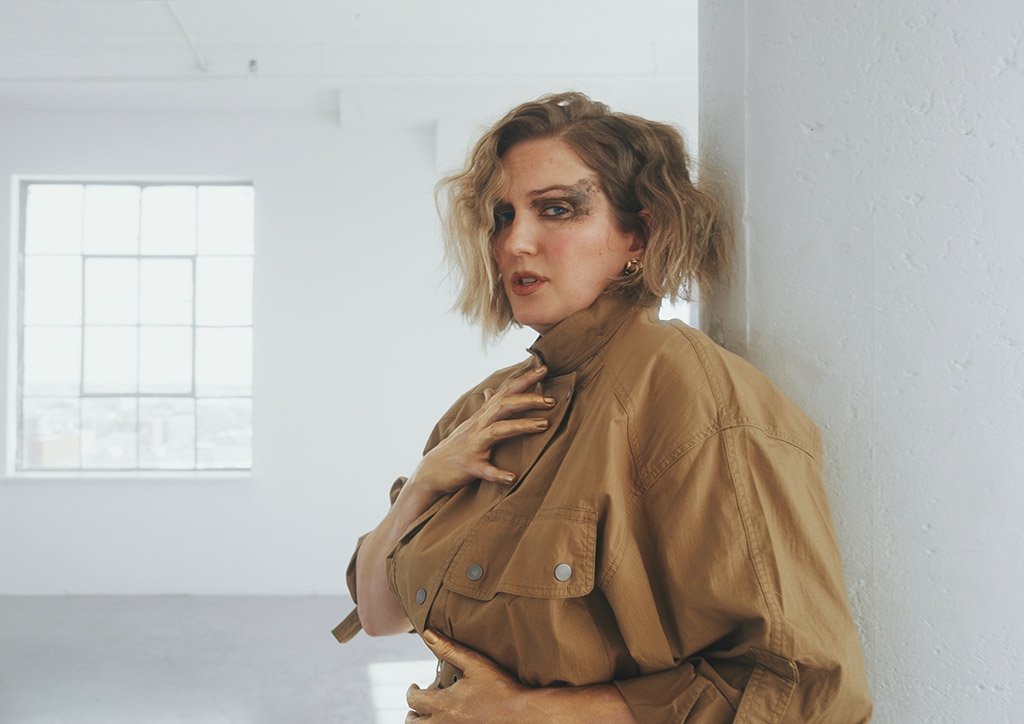
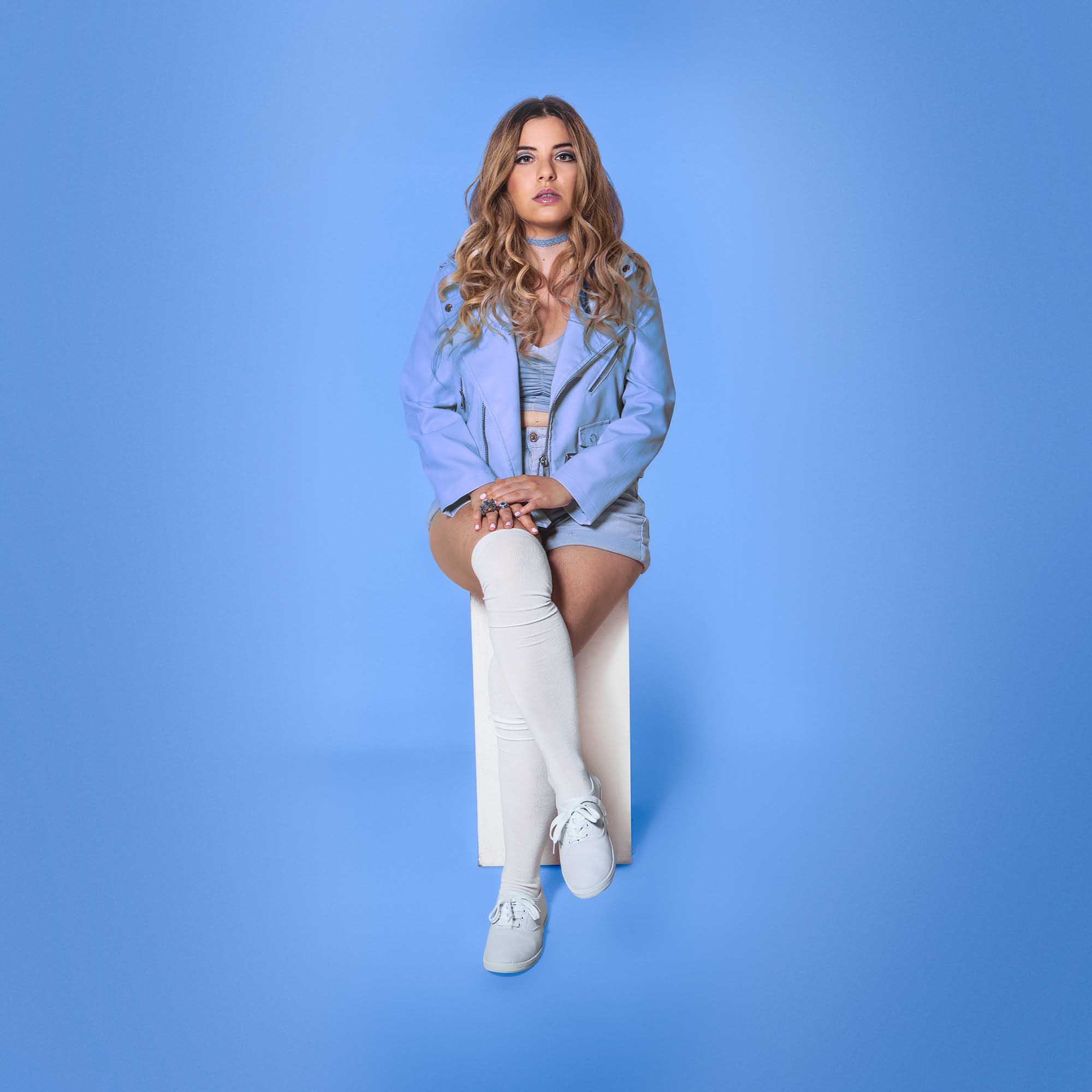
As the Canadian music industry continues working towards greater diversity behind the mixing console, artists like Sally Shaar are helping shape a more inclusive and creative future. A singer-songwriter, producer, and longtime member of the acclaimed band MONOWHALES, Sally has spent over a decade captivating audiences on stage before expanding her artistry into music production, where she now helps others bring their stories to life.
Her selection for the 2026 Music Publishers Canada Women in the Studio National Accelerator marks another significant milestone in an already impressive career, placing her among a new generation of producers committed to redefining what the modern recording studio can look like. Thoughtful, compassionate, and endlessly curious, Sally believes that great music begins long before anyone presses record, it starts with honest conversations, meaningful connections, and the courage to be vulnerable.
In this exclusive interview with TorontoPages, she reflects on her musical journey, the importance of representation in the industry, the value of mentorship and collaboration, and why authenticity remains the most powerful tool any artist can bring into the studio.
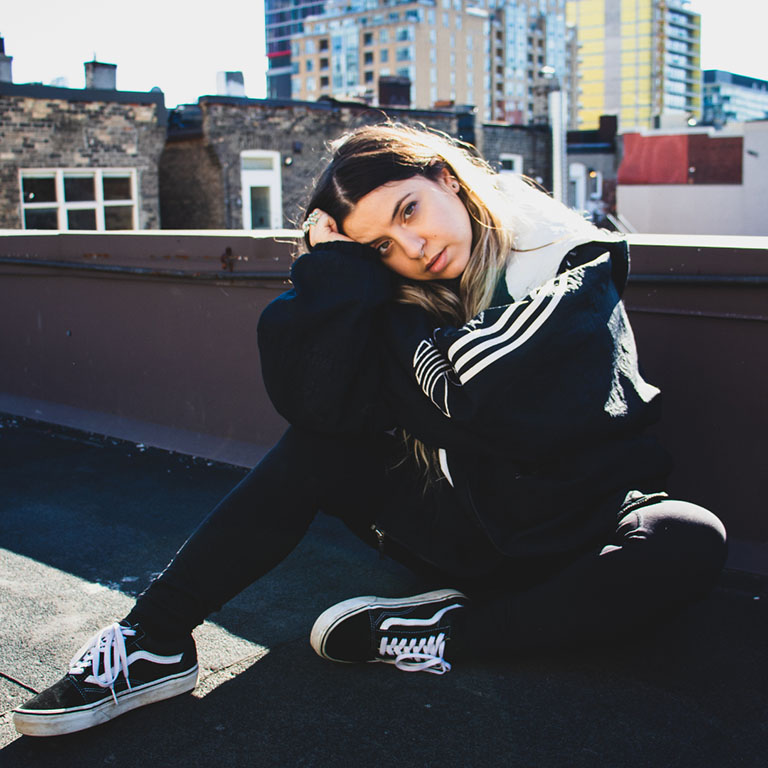
To begin, could you tell us a little about yourself and your journey into music? What first sparked your interest in becoming an artist and producer?
Music has always been a part of me. I graduated from Humber College and pretty much launched straight into a 13-year career with my band MONOWHALES. It was one of the most magnificent experiences of my life, and one that came with its challenges simultaneously.
Looking back, I don’t know that anyone really becomes an artist or a producer. I think those things already exist inside us. We just spend our lives uncovering them, if we’re willing to let our walls down with ourselves. Everyone’s timeline looks different. Mine happened to begin on stage, and now it’s led me into more of a studio era where I get to help other people tell their stories, too.
Looking back at your childhood and early years, were there any defining musical influences, experiences, or people who shaped your creative identity?
Pop music was everything to me as a kid. Britney Spears, Avril Lavigne, and the Spice Girls… they were my home, my escape, my joy. Music was where I learned it was okay to feel things.
Then, in middle school, I joined band and choir, and I had a music teacher who believed in me before I fully believed in myself. She held me to a very high standard, and I’m so grateful she did. Sometimes one person seeing something in you is enough to change the trajectory of your life. She definitely changed mine.
Another champion who pushed me to become who I am today was Rick Emmett from Triumph. He saw something unique in me in a sea of incredible artists. Those kinds of moments and influences stay with you. They become part of who you are.
How would you describe Sally Shaar as an artist today in three words, and why?
Focused, compassionate, and silly.
I think those three things all feed each other. Curiosity and playfulness help ease people into connection and vulnerability. Focus helps me care about the details. Compassion is probably the thing that matters most because songs only become meaningful when people feel safe enough to tell the truth.
When did you first realise that creating music was something you wanted to pursue professionally rather than simply as a passion?
The passion is the reason I get to do it “professionally.” Music has never been something I chose because it made sense. It’s always been something I couldn’t imagine not doing.
Your work spans both songwriting and production. What drew you to working behind the scenes in the studio as well as being a creator?
Storytelling. That’s always been the constant. Whether I’m writing my own songs or producing someone else’s, I’m just trying to help uncover something truthful. Every skill I chip away at, production, vocal production, songwriting, arranging, you name it, has simply become another tool that helps someone tell their story.
I want to be like a kindergarten teacher who can both teach and learn from anyone who walks through the door in the way they express themselves best. I’d be honoured to be the Ms. Frizzle of music.
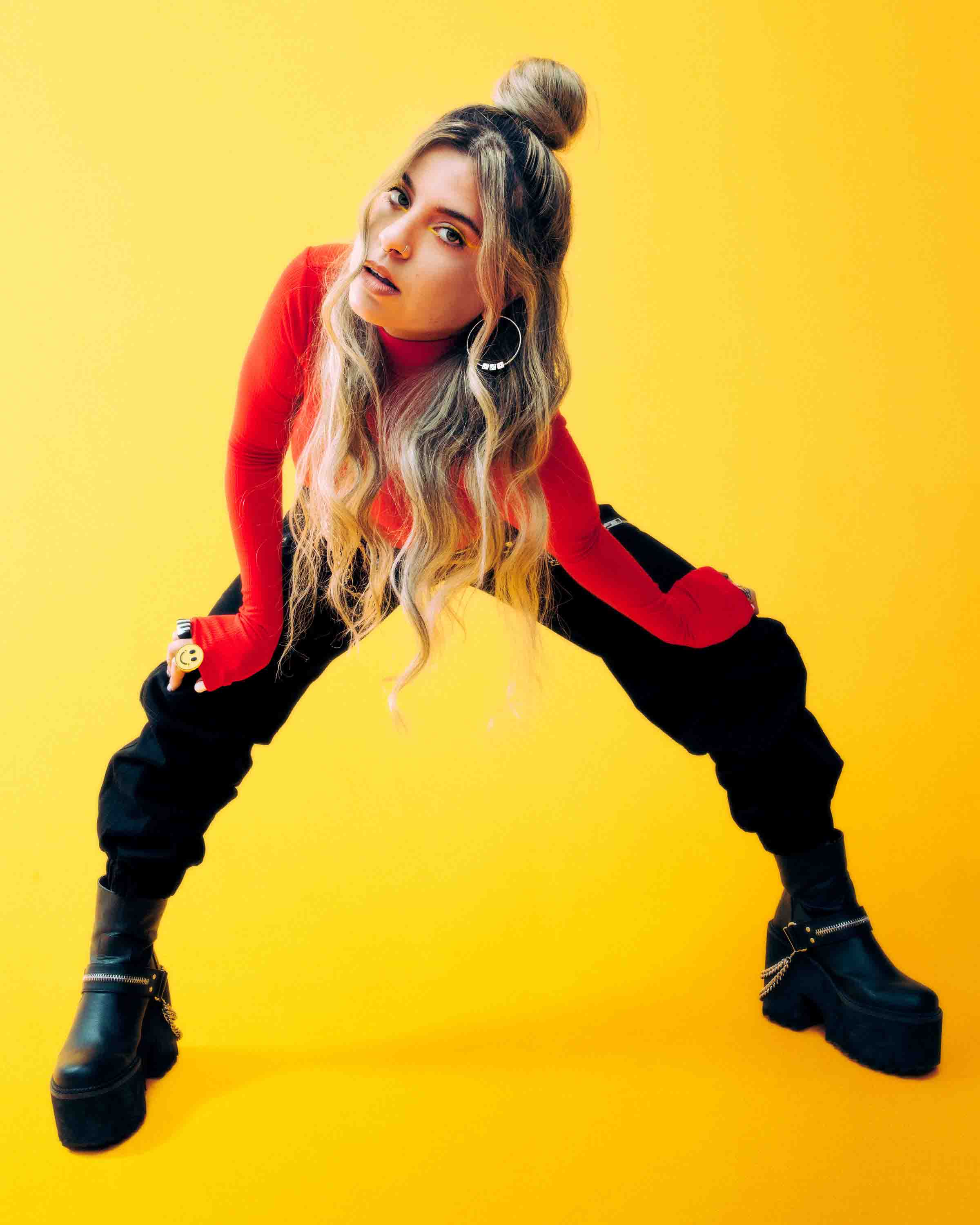
Production has historically been a male-dominated space. Did you face any barriers or moments where you felt you had to prove yourself more than others?
Absolutely. I think that’s something many women and gender-diverse producers can relate to. There were definitely moments where I felt like I had to be overprepared just to be viewed as equally capable. Those experiences don’t disappear overnight.
But I also don’t want them to define my story. I keep showing up. Every room I walk into makes it a little easier for the next person.
How would you describe your sound and creative style to someone discovering your music for the first time?
I care much more about whether something feels honest than whether it feels perfect. I love songs that leave fingerprints behind. I want people to hear the humanity in them.
What inspires you most when beginning a new song or production session?
Conversation. I think music is one of the few places where people accidentally tell the truth.
The best songs usually start before anyone even touches an instrument. They’re hidden inside conversations, awkward silences, jokes, body language, and the things people almost don’t say. My favourite part is helping uncover those truths.
Can you walk us through your creative process from the first idea to the finished track?
The process starts the second someone walks through the door. Before we write anything, we’re already gathering information. As I said, the conversations, the laughter, the energy in the room, the tears, and even the quiet moments all become part of the song.
Every session unfolds differently because every person and every experience is different. I think my role is to pay attention and follow whatever yellow brick road is laid out for me that day.
You have been selected for the 2026 Women in the Studio National Accelerator. What was your reaction when you received the news?
I was honoured. Have you seen the alumni of this program? Tough acts to follow!
Of course, I’m joking because there is no competition. I know this is the kind of program where everyone, past and present, supports one another, and that’s incredibly special. That’s how we grow, which is what we all hope for, both for each other and for the industry.
What does being chosen for this year’s cohort mean to you personally and professionally at this stage of your career?
It feels like the right time. I have a lot of big plans, ideas, and dreams, as I always do. Those who know me know I always follow through, so this is all very exciting and is part of the path toward the seeds I’ve been planting.
I’ve always believed that learning never really ends, but honestly, I’m just as excited about the people. I think the other participants are incredible, and I have a feeling some lifelong friendships and collaborations are going to come out of this experience.
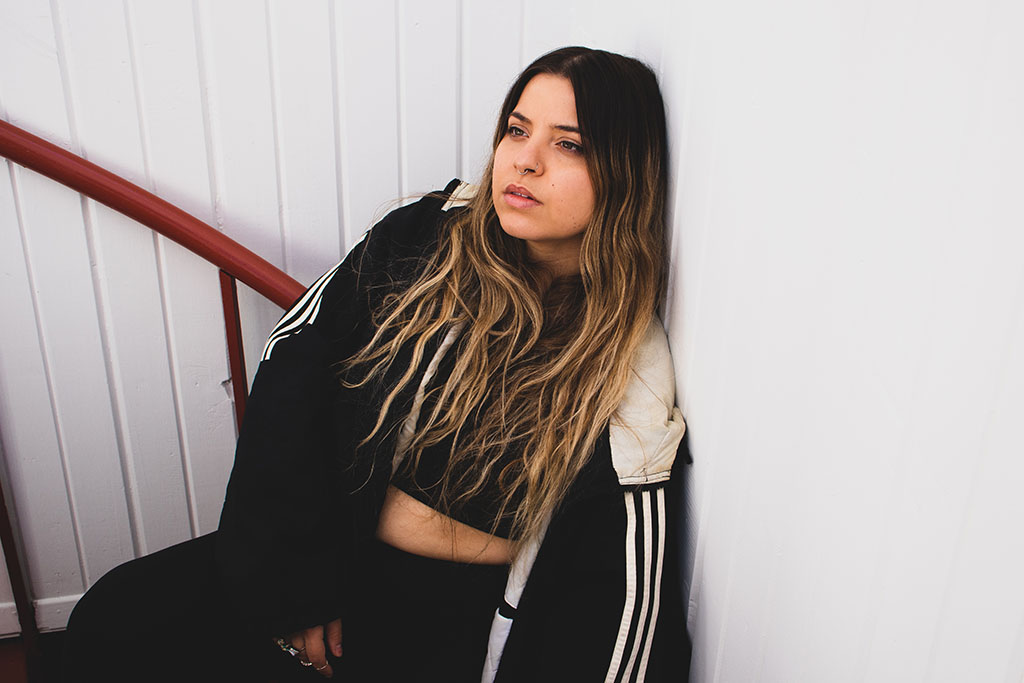
The programme focuses on mentorship, technical development, and industry access. Which part of the experience are you most excited about?
Mentorship. Human interactions are where I’ve learned the most throughout my life. Technical knowledge is a tool, but I’m more of a hands-on learner. I love observing how people move through the world, listening to the way they explain things, and learning from those who’ve already walked the road ahead of me.
The Accelerator also brings together creators from across Canada. How important do you think collaboration is in shaping stronger music communities?
Collaboration is one of my favourite parts of making music. Spending time alone with your thoughts is important, but it can also become isolating without you even realizing it. Bringing different people, backgrounds, and experiences into a room creates ideas that simply wouldn’t exist otherwise.
I always leave collaborations having learned something new about the world and myself.
Women represented only 4.4% of producers on the most popular songs of 2025 according to recent industry research. What are your thoughts on where the industry stands today?
It takes one person to change that statistic. Statistics like that remind us how much work there still is to do. But every woman I see producing, engineering, or leading a session changes what’s possible for someone else.
Representation isn’t just symbolic, it expands people’s imaginations. The fact that seeing another woman producing still feels unusual tells us everything we need to know about why programs like Women in the Studio matter.
What changes would you like to see happen over the next five to ten years to create a more inclusive studio environment?
I hope we reach a point where diversity isn’t something we have to consciously create because it’s already naturally reflected in every room. Invite women. Invite gender-diverse creators. Invite queer people. Invite people of different cultures, ages, backgrounds, and lived experiences.
Better stories come from broader perspectives.
Are there any producers, songwriters, or artists, Canadian or international, whose careers or creative approaches inspire you?
LIGHTS has always been a trailblazer in Canada. The way she builds her artistic world from the inside out, with so much intention, detail, and consistency, is something I deeply admire. Nothing about her artistry feels accidental. Every piece she creates belongs to a universe, and I think that’s incredibly special.
I also recently started an assignment through this program with my fellow cohort member, WILD BLACK. Getting to witness how they work firsthand has been such a gift. They’re an incredibly thoughtful producer, and watching someone create from such a driven place always inspires me. I’ve already learned so much just by being in the room with them, and I genuinely can’t wait to see where their artistry continues to take them.
What do you hope to contribute to this year’s Women in the Studio cohort beyond your own artistic development?
I hope I can be someone people feel comfortable coming to. Whether that’s sharing knowledge, making introductions, celebrating someone else’s win, or simply listening. Communities grow when people genuinely want each other to succeed.
The residency in Toronto brings an in-person creative element to the programme. What are you hoping to gain from being in that environment?
I’m looking forward to being in the same room as everyone. I hope we get to feed each other’s hearts over late-night tea, during lunch breaks, or after sessions.
I hope we become each other’s light when times feel dim, or become the people we text when we have questions we might otherwise feel embarrassed to ask. I hope we can be each other’s safe place in an industry that sometimes forces us to harden ourselves.
Financial literacy and branding are also part of the Accelerator. How important do you think those skills are for artists building sustainable careers today?
They’re incredibly important. My experience with MONOWHALES is actually what sparked my love for the music business and marketing. I got to see firsthand that branding isn’t a dirty word. At its best, it’s simply another form of storytelling. It’s about helping people understand who you are before you’ve even said a word, and inviting them into the world you’ve built. When it’s authentic, it becomes an extension of the art itself, not something separate from it.
Financial literacy is another area I’m genuinely excited to keep learning about. I didn’t grow up with much education around money, and historically, that’s true for a lot of women. Access to financial knowledge has been gatekept. The more I learn, the more I realize how empowering that knowledge really is. Creative freedom and financial literacy go hand in hand. The more artists understand the business side of what they do, the more ownership they have over their careers, and that’s a superpower worth chasing.
Music often reflects personal stories and lived experiences. How much of yourself do you bring into your work?
All of me is in the work, whether I’m trying to put it there or not. Every experience, the joy, the heartbreak, the injustice, the humanity—they all shape how I hear music, ask questions, solve problems, and connect with artists.
Even when I’m helping someone tell their story, a little piece of who I am is inevitably in the room too. Sometimes my closest friends can even hear it when they’re listening to a song I wrote with someone else. It’s super cute.
What advice would you give to young women and gender-diverse creators who are interested in stepping into music production?
Have fun. Seriously. Don’t lose the play. Be curious. Be emotional. Be weird. Be sensitive. The software can be learned. The gear can be learned. The thing nobody else can replicate is your perspective. You are your greatest asset as a producer.
Your message for our readers at TorontoPages magazine.
Thank you for creating space for conversations like this. Every interview, article, and spotlight helps more people imagine themselves in these roles. Thank you for helping shine a light on women and gender-diverse creators, and for reminding people that some of the best stories are still waiting to be told.