Breaking Boundaries, Embracing Roots and Finding Her Own Voice
For Cuban-Canadian singer-songwriter Dee Hernandez, music is more than an art form; it is a powerful expression of identity, resilience, and the courage to embrace every chapter of life. Blending Afro-Cuban rhythms with jazz, funk, and soul, the East Coast Music Award-nominated artist has carved out a distinctive sound that reflects her remarkable journey from Cuba to Canada.
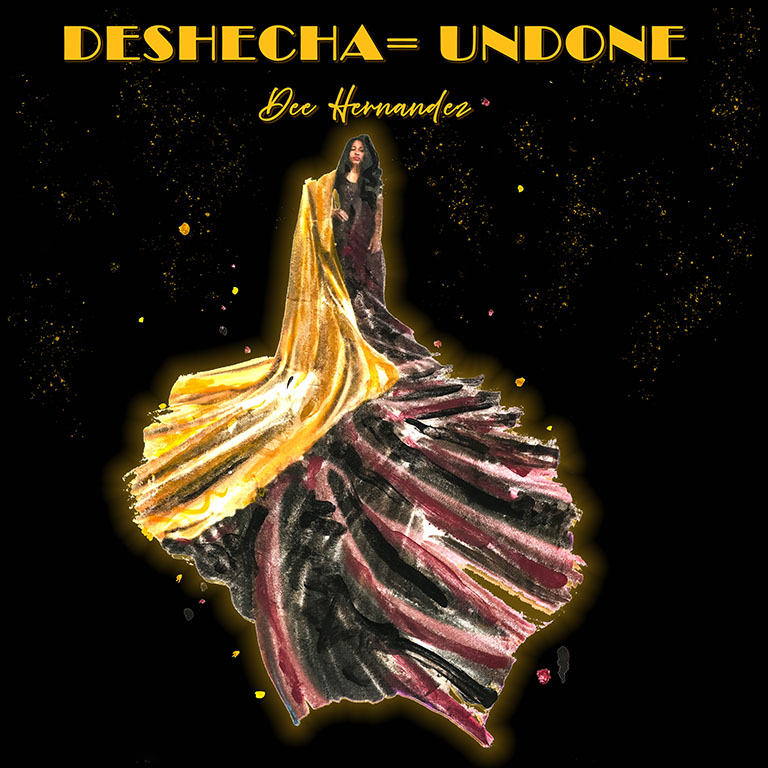
Arriving in Canada at just 16, Hernandez faced the challenges of immigration, cultural adaptation, and finding her voice in an unfamiliar world. Decades later, those experiences have become the foundation of her deeply personal debut album, Deshecha = Undone, a vibrant bilingual exploration of belonging, reinvention, and self-discovery.
Through emotionally charged storytelling and infectious rhythms, Hernandez celebrates the beauty of embracing one’s roots while evolving beyond expectations. From the defiant spirit of Cabezona to the deeply moving Odumile, her music transforms vulnerability into strength and personal experiences into universal connections.
In this exclusive interview with TorontoPages magazine, Dee Hernandez opens up about her Cuban heritage, life in Canada, artistic independence, and the emotional journey behind her debut album, revealing how becoming undone can sometimes be the beginning of discovering who you truly are.
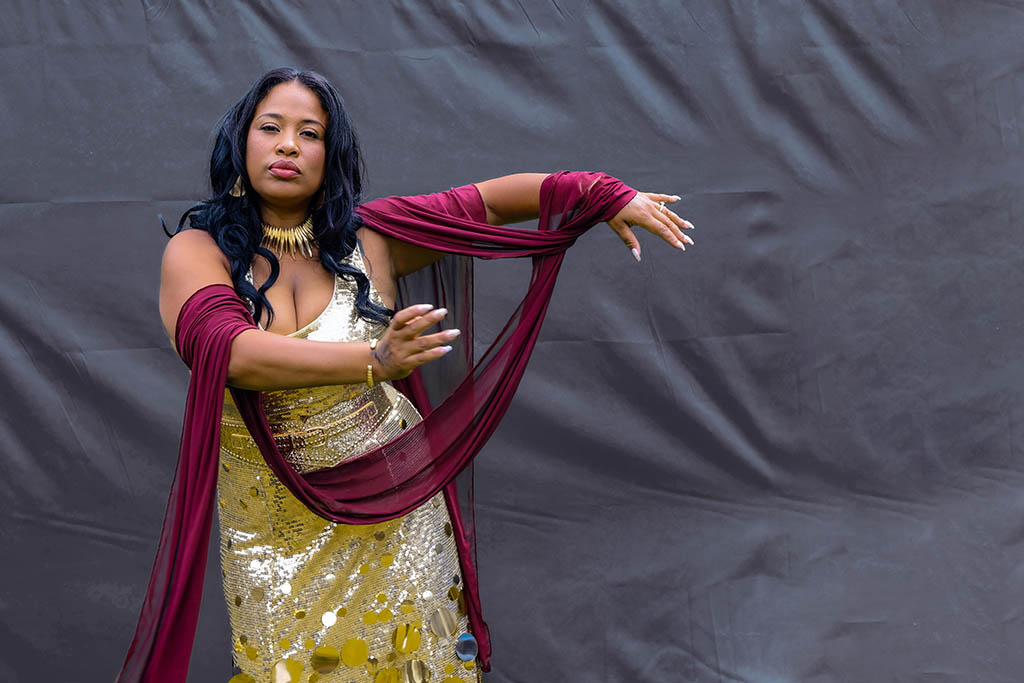
For those discovering your music for the first time, who is Dee Hernandez beyond the stage?
Beyond the stage, I am a woman who has lived many lives within one lifetime. I am a mother, a wife, an immigrant, a storyteller, and someone who has had to learn how to rebuild herself more than once. I am deeply curious about people, about life, and about the things we carry that nobody else can see.
I am Cuban-born and Canadian by the life I have built here. I carry my roots with me, but I am also shaped by every place, every challenge, and every person I have encountered along the way. I am passionate, sometimes stubborn, emotional, and always searching for meaning in the things I experience.
Music is not something I simply do for a living. It is how I process life, how I communicate, and how I make sense of the world. Beyond the stage, I am still that girl who has a lot to say and who believes that even the most difficult experiences can become something meaningful.
What was your childhood like growing up in Cuba, and how did music become part of your life?
I grew up in Mulgoba, in the Boyeros municipality outside Havana. My childhood was shaped by the people around me, the neighbourhood, the rhythms of everyday life, and the way Cubans find reasons to gather, even when life is difficult.
There were neighbourhood celebrations, CDR gatherings, music, dancing, and people coming together. Music was part of the environment. It wasn’t something you needed to buy a ticket to experience. It was in people’s homes, in the streets, at family gatherings, and in the way people expressed themselves.
Growing up in Cuba also meant understanding that life could be complicated. There were apagones, shortages, and circumstances that taught you to adapt. But there was also creativity, humour, and a deep capacity for joy.
Looking back, I realize that I was absorbing so much more than music. I was absorbing stories, rhythms, emotions, and the human experience. Those things eventually became the foundation of the artist I am today.
Who were your biggest musical influences growing up?
My musical influences are quite broad. I grew up listening to artists who could communicate something profound through their voices, regardless of genre. Cuban artists such as Omara Portuondo and Elena Burke were especially important to me. I was drawn to Omara’s elegance, warmth, and phrasing, and to Elena’s emotional depth and expressive power.
I also admire the artistry of Nat King Cole and Ella Fitzgerald, the emotional power of Whitney Houston, and the unmistakable presence of Celia Cruz and La Lupe. I connect deeply with bolero, filin, nueva trova, and punto guajiro because they are part of the musical landscape that shaped me.
As I grew older, artists like Amy Winehouse, Erykah Badu, and Buika also resonated with me. They each have a way of inhabiting a song rather than simply performing it.
What connects these artists for me is individuality. They have their own sound, their own truth, and their own way of telling a story. That is what I have always wanted for myself: not to sound like somebody else, but to develop a voice that people can recognize as mine.
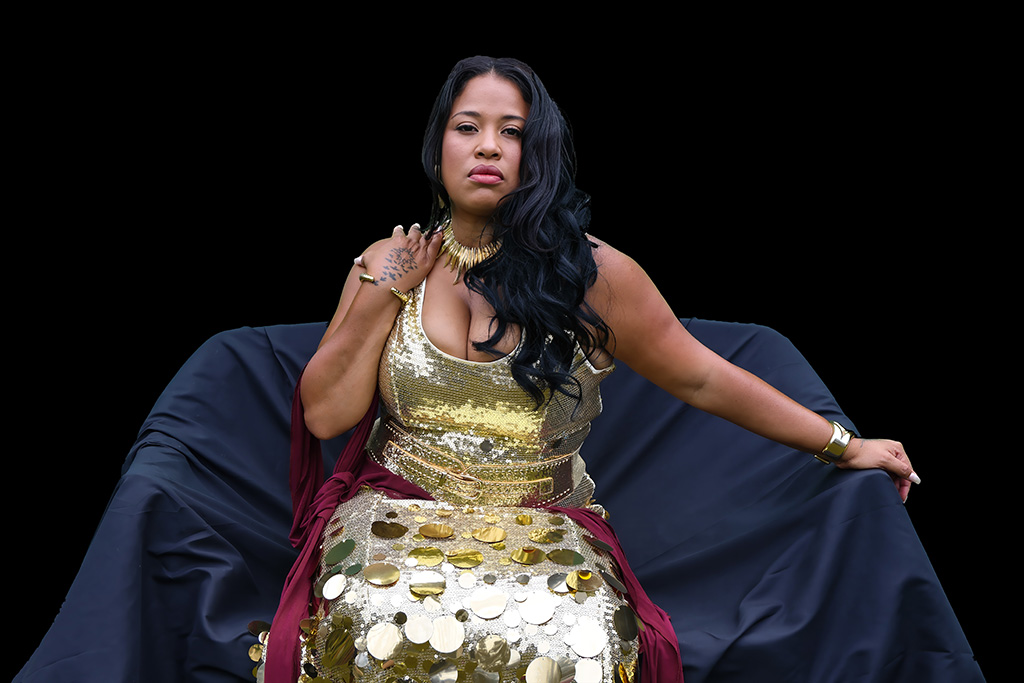
What inspired your move from Cuba to Canada, and what do you remember most about those early days?
I came to Canada from Cuba when I was 16. Music was part of what brought me here. I was a singer in a jazz project that toured Atlantic Canada, performing in different communities. During my second year, I decided to stay.
I was looking for a better life, and I felt that Canada could offer me opportunities and a future that I could build for myself. Staying was not an easy decision, especially because I was young and far from everything familiar, but I knew I needed to take that chance.
What I remember most about those early days is having to figure things out as I went. I was a teenager trying to understand a completely different environment while also trying to understand who I was becoming.
When you leave your country at that age, you don’t necessarily understand everything you are leaving behind. You are focused on what is in front of you. It takes time to recognize how deeply your upbringing, your language, your culture, and your memories are embedded in you.
Music eventually brought me back to the very thing that had always been part of my life. After all these years, I am still here, creating, performing, and telling my story. That is something I don’t take for granted.
How challenging was it to build a new life in Canada without speaking English?
It was incredibly challenging. Imagine being 16, navigating a new country, trying to communicate, and not always having someone to guide you through the things you don’t understand.
Language is more than words. It determines how easily you can express your needs, defend your position, make connections, and feel understood. When you cannot fully communicate, people can misunderstand you, and sometimes you struggle to explain even the simplest things about yourself.
I had to learn by living. I had to observe, adapt, make mistakes, and keep going.
Those experiences made me resourceful, but they also taught me how isolating it can be when you don’t have the language to express your full personality. People may see your silence or your struggle without realizing how much you have to offer.
Today, storytelling through music allows me to communicate beyond language. Someone might not understand every Spanish lyric, but they can still feel the emotion. For me, that is one of the beautiful things about music.
Was there ever a moment when you felt you were losing touch with your Cuban identity?
I think identity can become complicated when you leave your country young and spend decades building a life somewhere else.
You adapt. You learn new customs, develop new relationships, raise a family, and become part of another community. Sometimes you may even feel that you have to adjust certain parts of yourself to fit into the environment around you.
But I don’t believe my Cuban identity disappeared. It evolved, and there were moments when I had to reconnect with parts of myself that I had perhaps taken for granted.
Making this album has been part of that process. My music allows me to revisit memories, my language, my musical roots, and the experiences that shaped me.
I have come to understand that I don’t have to choose between being Cuban and being Canadian. Both are part of my story. I can honour where I came from while embracing the person I have become.
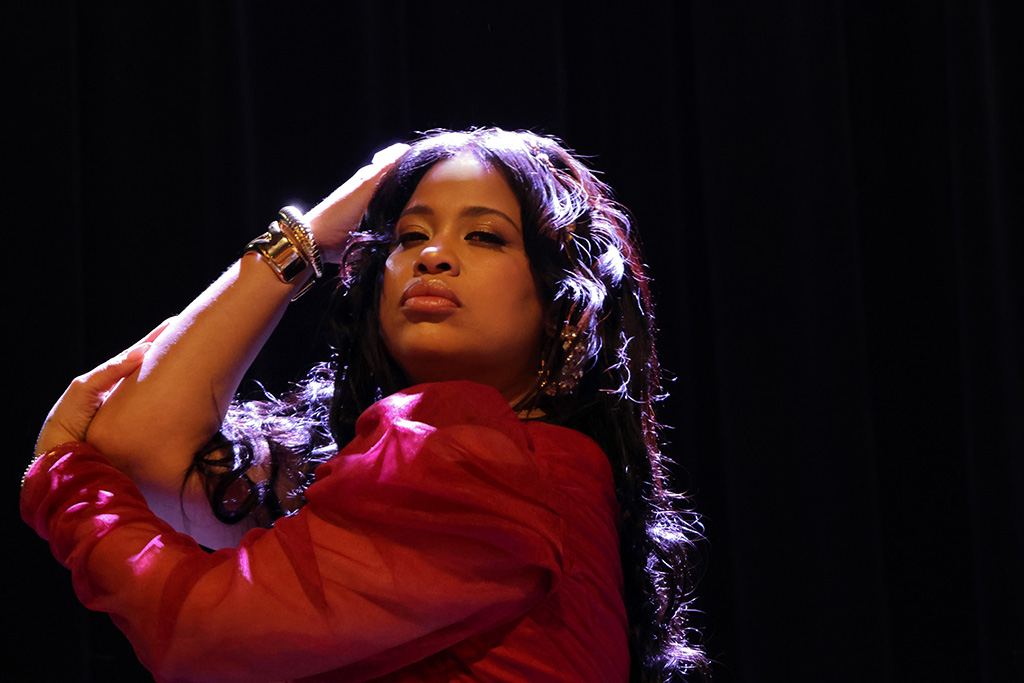
How has living in Canada influenced your personality, creativity, and musical style?
Living in Canada has challenged me to become independent, adaptable, and persistent. It has also taught me that belonging is not always automatic. Sometimes you have to create the space in which you can exist authentically.
Artistically, Canada has given me the opportunity to work with musicians from different backgrounds and to develop my own musical language. Atlantic Canada, in particular, has become home to my creative work. My music has been written, developed, and recorded here, with musicians who have helped bring my ideas to life.
My sound carries my Cuban roots, but it also reflects the jazz, soul, funk, and other musical influences that have accompanied me throughout my life.
I don’t think of my music as trying to fit neatly into one category. I am interested in what happens when different experiences meet. My identity, my voice, my stories, and the grooves I love all coexist in the same musical space.
Your debut album, DESHECHA = UNDONE, is deeply personal. What inspired its title?
The title comes from the idea of being undone, of coming apart, of having parts of yourself unravel.
Life has a way of bringing you to moments when the person you thought you were, the plans you had, or the structures you relied on no longer feel the same. You experience loss, change, disappointment, migration, motherhood, love, and all the things that transform you.
For me, DESHECHA = UNDONE is not simply about being broken. It is about what happens when life undoes you and you have to discover who you are underneath everything you thought defined you.
There is also something powerful about the Spanish word deshecha and the English word undone existing together. They speak to different parts of my life, my languages, and my identity.
I spent years carrying experiences that I hadn’t fully expressed. This album became a place where I could finally put them into words and music. It is vulnerable, sometimes uncomfortable, but also liberating.
Why did you feel that now was the right time to release your first full-length album?
Because the stories were ready, and I was finally ready to tell them.
I have been involved in music for decades, but creating and releasing a full-length album is a different commitment. It requires time, resources, trust, and the willingness to put something deeply personal into the world without knowing how people will receive it.
This album represents 20 years of waiting to bring a project like this to life and 26 years of lived experiences that have shaped me.
There were many reasons I could have waited longer. Independent artists understand how difficult it can be to finance a project of this scale while managing the responsibilities of everyday life.
But I reached a point where I no longer wanted to keep postponing this part of my artistic journey. I wanted to create a body of work that represented who I am, not just release individual songs and hope that people understood the bigger picture.
DESHECHA = UNDONE is that picture. It is my introduction to the world on my own terms.
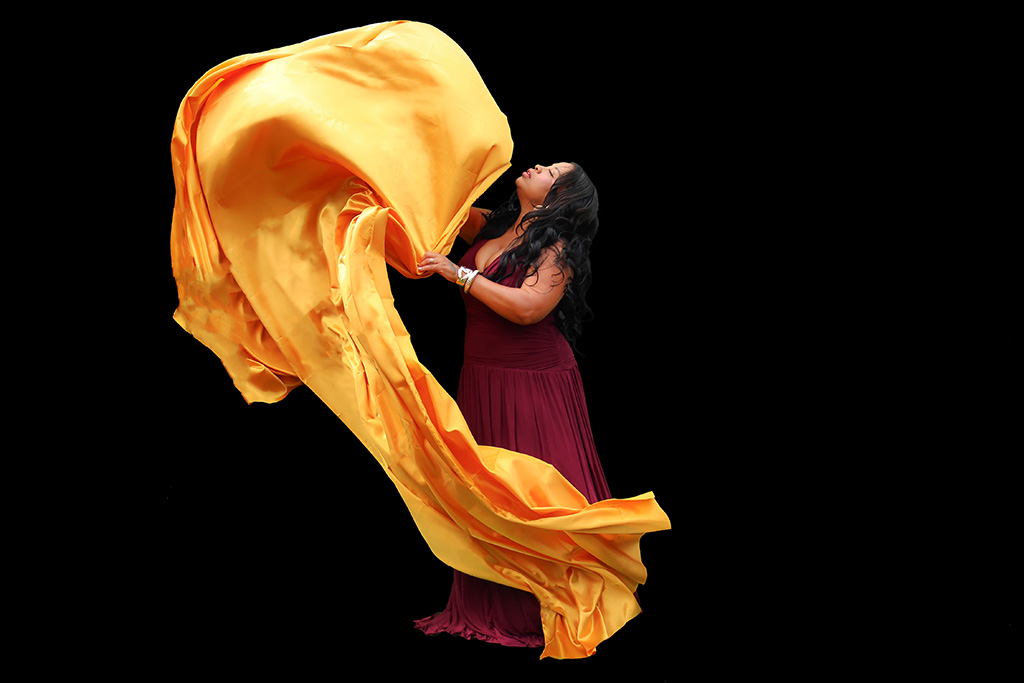
What was the most emotionally challenging song to write or record on the album?
Odumile carries an especially deep emotional weight for me because it was written during my mother’s cancer treatment.
When someone you love is facing something that serious, you are confronted with your own vulnerability and your inability to control everything. You want to protect that person, but you also have to face the reality that there are things you cannot fix.
Music became a way for me to process those feelings. Odumile connects with ancestry, resilience, protection, and the strength we draw from something greater than ourselves.
The song and its accompanying video hold layers of meaning for me, including my mother’s presence and the importance of family and ancestral connection.
Creating something from such a difficult period was not about pretending everything was fine. It was about finding a way to honour the experience and transform the emotions into something that could live beyond that moment.
How did you decide which stories to tell in English and which to express in Spanish?
I don’t approach language as a marketing decision. I approach it as part of the storytelling.
Some experiences arrive in Spanish because that is the language in which I first understood the world. Certain emotions, expressions, and memories carry a different weight in Spanish. There are things I can say in that language that feel impossible to translate without losing something.
English is also part of my life. It is the language in which I have built much of my adult life in Canada, developed relationships, raised my family, and navigated my professional world.
Sometimes a song begins in one language because that is how the thought comes to me. Other times, the musical phrasing or the emotion tells me what language belongs there.
On this album, I wanted both languages to coexist naturally. Four of the ten tracks are in Spanish, while the remaining six are in English, with Spanish also appearing in some of the English-language songs.
That balance reflects my life. I am not divided between two languages. I live in both.
Your music blends Afro-Cuban rhythms, jazz, funk, and soul. How would you describe your signature sound?
I would describe it as Cuban-rooted Latin jazz and soul, with deep grooves, bold vocals, and a strong sense of storytelling.
Rhythm is central to how I experience music. I love music that moves the body, but I also need it to move something emotionally. I want the groove to pull you in while the lyrics, the harmony, and the voice give you something to sit with.
My voice has a bright, powerful quality, and I love improvisation. I want to leave room for the unexpected, for a moment when the music takes over and something happens that wasn’t planned.
At the same time, I am very interested in the intimacy of a story. A song can have a powerful rhythmic foundation and still reveal something tender or painful.
For me, the combination of Cuban musical roots, jazz, funk, and soul is not an attempt to manufacture a fusion. These are sounds and influences that have become part of who I am. They meet naturally in the music I create.
Your lead single, Cabezona, celebrates determination. How has being stubborn helped you succeed?
Being stubborn has definitely helped me survive, although I have learned that there is a difference between stubbornness and determination.
Cabezona is a very Cuban expression. It describes someone who is hard-headed, someone who makes up their mind and doesn’t easily change direction.
That can be a challenge, but it can also be a strength. I have had to keep believing in my work through moments when the resources were limited, when opportunities were uncertain, and when I couldn’t see the next step clearly.
As an independent artist, you cannot always wait for someone to give you permission to move forward. Sometimes you have to create the opportunity yourself, take responsibility for your vision, and keep working even when the outcome is uncertain.
I have learned to listen, to question myself, and to remain open to growth. But I have also learned not to abandon myself just because the road is difficult.
Sometimes the same quality that makes you difficult to convince is the quality that allows you to keep going when others might stop.
The song Odumile was written during your mother’s cancer treatment. How did that experience shape the music?
It gave the song a very personal foundation. I was watching someone I love go through a difficult experience, and I was trying to process my own feelings while also being present for my mother.
There is a particular vulnerability in wanting to protect someone when you know that love alone cannot control what happens. It makes you think about family, about the generations before you, and about the strength that has carried people through circumstances you may never fully understand.
Those ideas became part of Odumile. The song speaks to resilience, protection, and the power of ancestral presence. It is deeply connected to the way I understand spirituality, not necessarily through formal religion but through the feeling that we are connected to those who came before us.
That experience also influenced the visual world of the song. The video honours my Cuban heritage and explores the idea of protection and strength through ancestral imagery.
For me, Odumile became a way to transform a painful chapter into a work that can offer strength to someone else.
What personal message do you hope listeners take away from Flores?
I hope listeners take away the courage to trust themselves, embrace their curiosity, and bring colour and beauty into the world even when others do not understand them.
Flores is about surrendering to life without being afraid of falling or failing. It is about discovering the pleasure of simply being alive, breathing, exploring, and allowing yourself to grow. The song also speaks to the freedom of seeing the world differently. When people call you “crazy” because you refuse to accept the grey, you can still choose to paint your life with colour.
The flowers in the song represent the love, joy, hope, and positive energy we can share wherever we go. I hope listeners remember that they have something beautiful to give, even during difficult seasons. Sometimes a small act of kindness, a song, or a little colour can brighten someone else’s heart.
Most of all, I want people to know that they do not have to wait until everything is perfect to live fully. Keep exploring, keep singing your song, and keep planting flowers wherever you go.
If you could introduce someone to your music through just one track from the album, which would you choose and why?
I would choose Odumile because it brings together so many elements of who I am as an artist.
It carries my connection to my roots, my interest in rhythm, my relationship with spirituality and ancestry, and my desire to tell stories that are bigger than one person’s experience.
There is a personal story behind it, but I don’t think listeners need to know every detail to connect with it. They can bring their own experiences of love, loss, family, and resilience to the song.
I also think Odumile represents what I want my music to do. I want people to feel something, to become curious, and perhaps to recognize a part of themselves in a story that comes from a very different life.
It is a song that reminds me why I make music in the first place
As both a songwriter and co-producer, how important was it to maintain creative independence throughout the album?
It was essential. These songs come from my life, and I needed to remain connected to the reasons I was making them.
Creative independence doesn’t mean that you work alone or that you don’t value collaboration. I believe deeply in collaboration. The musicians and producer who worked on this album brought their own artistry, knowledge, and interpretation to the music.
But I also needed to protect the emotional truth of the project. I wanted to make sure that the arrangements, the performances, and the overall direction served the stories I was telling.
As an independent artist, you learn that creative control comes with responsibility. You have to make decisions, find resources, build a team, and stand behind the work.
This album represents a part of my life that I could not hand over to someone else to define. I needed the freedom to express it honestly, even when the result was vulnerable or didn’t fit neatly into an established category.
What was the biggest obstacle you faced while bringing DESHECHA = UNDONE to life?
Financing the project while carrying the responsibilities of an independent artist and a mother was one of the biggest obstacles.
An album of this scale requires much more than writing songs. There are recording costs, musicians, production, mixing, mastering, visuals, promotion, distribution, and all the work that happens behind the scenes.
When you are independent, you often have to be the artist, the project manager, the administrator, and the person figuring out how to pay for everything.
There were moments when the financial pressure was very real. I had to make difficult decisions, rely on collaboration, and keep moving forward without knowing exactly how everything would come together.
But there was also an emotional obstacle: allowing myself to believe that this project deserved to exist on the scale I imagined for it.
I had spent years waiting. Eventually, I had to decide that the stories mattered enough to take the risk.
Releasing DESHECHA = UNDONE was not simply about finishing an album. It was about refusing to let the difficulties of being independent determine the limits of my artistic vision.
You have received several East Coast Music Award nominations. What has that recognition meant to you?
The East Coast Music Award nominations have been meaningful because they acknowledge the work I have been building here in Atlantic Canada.
I have spent years developing my sound, collaborating with musicians, performing, and creating music that reflects both my roots and my life in this part of the world. Recognition from the East Coast music community tells me that the work is reaching people.
At the same time, nominations are only one part of the journey. They don’t remove the challenges of sustaining an independent music career, and they don’t tell the whole story of what it takes to get here.
For me, the most important thing is continuing to create work that is honest and finding audiences who connect with it.
I am grateful for the recognition, but I also understand that my responsibility is to keep growing, to keep making music, and to create opportunities for the work to travel beyond the region.
Looking back at your experience as a Top 30 finalist on Canadian Idol, what did it teach you about the music industry?
My experience on Canadian Idol was an important chapter in my musical journey. It gave me exposure to a much bigger platform and allowed me to experience what happens when your voice reaches an audience beyond your immediate environment.
It also taught me that talent and visibility are not the same thing as building a sustainable career.
The music industry is a complex ecosystem. There is the artistic side, but there is also business, relationships, timing, access, marketing, and the ability to navigate opportunities over time.
Looking back, I understand that a television platform can open a door, but it cannot build the entire house for you. You still have to develop your identity, make decisions about your career, and find a way to sustain your work long after the cameras stop rolling.
My journey has taken many turns since then. I have grown as a songwriter, performer, and independent artist. Today, I am less interested in simply being seen and more interested in building something meaningful that represents who I am.
You’ve received praise from artists such as Jully Black and Sass Jordan. How does recognition from established musicians inspire you?
It means a great deal when artists I respect recognize something in my voice or my work.
Sass Jordan has described me as a world-class jazz singer, and that kind of recognition stays with you. Artists who have spent years developing their craft understand the work, discipline, and vulnerability that go into becoming yourself musically.
Recognition from established musicians is encouraging, especially when you are building an independent career and often have to find the resources and motivation to keep going yourself.
But I also see it as a reminder that the work must continue. A compliment is meaningful, but it doesn’t replace the responsibility to grow, to challenge myself, and to remain curious about what I can do next.
Ultimately, I want my music to speak for itself. I want to keep developing an artistic identity that is authentic to me, while remaining open to the people and experiences that can help me become a better musician and storyteller.
What message would you like to share with TorontoPages magazine and its readers?
Thank you to TorontoPages for creating space for artists to share not only their music but also the stories, experiences, and people behind it.
I hope my journey reminds someone that there is no single timeline for becoming who you are meant to be. Sometimes life takes you in directions you never expected, and sometimes the things you thought were setbacks become the very experiences that shape your voice.
I came to Canada from Cuba at 16, and after all these years, I am still finding new ways to express myself through music. My debut album, DESHECHA = UNDONE, is a reflection of that journey. It is about identity, belonging, vulnerability, and the courage to tell your story, even when doing so requires you to open parts of yourself you have kept private for years.
I hope people listen with an open heart, discover something that resonates with their own lives, and remember that our differences don’t prevent us from connecting. Sometimes they are exactly what make that connection possible.
And to anyone building something from the ground up: keep going. Your story has value, even before the world knows your name.
Thank you for listening.